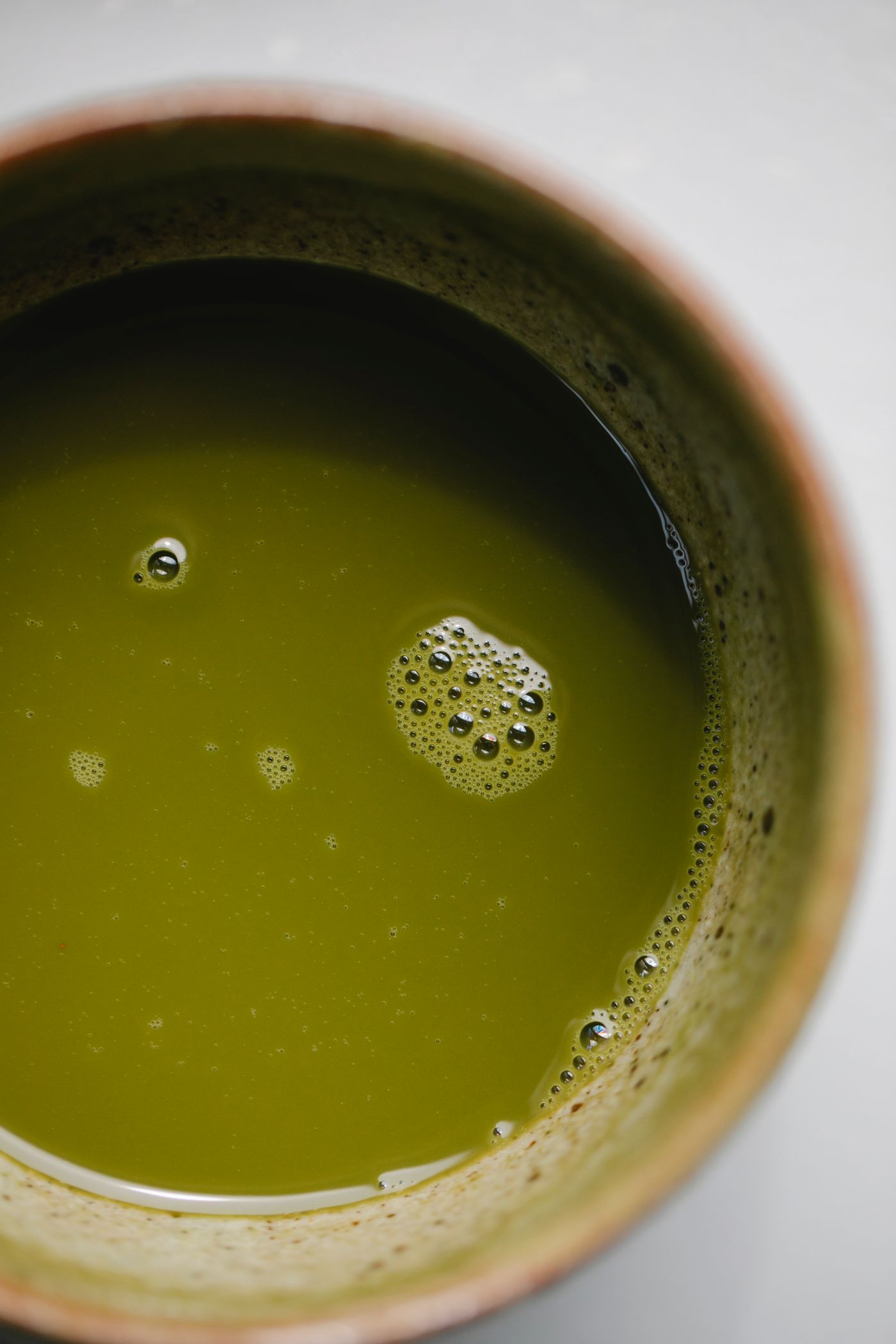
Matcha Gongfu Session Brewing Brew Setup
Before brewing matcha gongfu session brewing, stabilize the experiment. For a savory, grassy, creamy, and vivid result in matcha gongfu session brewing, use the same leaf, water source, vessel, and cup size long enough to learn from the cup.
More leaf, less water, short infusions, and taste each round before extending time for matcha. Matcha gongfu session brewing earns trust when the reader can repeat the setup tomorrow and notice whether dry-leaf aroma changed.
Matcha gongfu session brewing should be tested like a repeatable cup, not a rule to memorize. In this section, water temperature is the lever, dry-leaf aroma is the signal, and the first conservative brew tells the reader whether savory, grassy, creamy, and vivid is moving in the right direction for matcha gongfu session brewing.
If the same tea still fails, the next tea type page should answer a narrower question than the current method can handle for matcha gongfu session brewing. The matcha gongfu session brewing brew setup brewing error in matcha gongfu session brewing is changing everything at once before liquor color and steep time have been read.
When matcha feels wrong, keep the leaf and vessel steady, adjust one variable, and judge whether color, dry aroma, sifted texture, foam, savory depth, bitterness, freshness after opening, and whether milk or sweetener is hiding flaws become clearer for matcha gongfu session brewing. This gives the reader a second attempt they can actually repeat tomorrow for matcha gongfu session brewing.
Matcha Gongfu Session Brewing Strength And Aroma Signals
Strength clues for matcha gongfu session brewing show up as color, dry aroma, sifted texture, foam, savory depth, bitterness, freshness after opening, and whether milk or sweetener is hiding flaws. If matcha gongfu session brewing has aroma but thin body around savory, grassy, creamy, and vivid, ratio may be the issue.
If matcha gongfu session brewing has body but a drying finish after more leaf, less water, short infusions, and taste each round before extending time for matcha, heat or time may be too aggressive. Read the cup before changing the whole method.
The matcha gongfu session brewing strength and aroma signals brewing error in matcha gongfu session brewing is changing everything at once before liquor color and leaf amount have been read. When matcha feels wrong, keep the leaf and vessel steady, adjust one variable, and judge whether color, dry aroma, sifted texture, foam, savory depth, bitterness, freshness after opening, and whether milk or sweetener is hiding flaws become clearer for matcha gongfu session brewing.
This gives the reader a second attempt they can actually repeat tomorrow for matcha gongfu session brewing. Matcha gongfu session brewing should be tested like a repeatable cup, not a rule to memorize.
In this section, vessel size is the lever, body is the signal, and the cooling taste test tells the reader whether savory, grassy, creamy, and vivid is moving in the right direction for matcha gongfu session brewing. If the same tea still fails, the next comparison page should answer a narrower question than the current method can handle for matcha gongfu session brewing.
Matcha Gongfu Session Brewing First Timed Cup
The first timer for matcha gongfu session brewing should not be heroic. Use a conservative steep, taste plain, then decide whether more leaf in the same vessel is the next test.
When matcha improves, keep the note. When matcha does not improve, change one variable tied to more leaf in the same vessel so matcha gongfu session brewing does not become guesswork.
Matcha gongfu session brewing should be tested like a repeatable cup, not a rule to memorize. In this section, package date is the lever, body is the signal, and the small guest serving tells the reader whether savory, grassy, creamy, and vivid is moving in the right direction for matcha gongfu session brewing.
If the same tea still fails, the next storage guide should answer a narrower question than the current method can handle for matcha gongfu session brewing. The matcha gongfu session brewing first timed cup brewing error in matcha gongfu session brewing is changing everything at once before finish and sample size have been read.
When matcha feels wrong, keep the leaf and vessel steady, adjust one variable, and judge whether color, dry aroma, sifted texture, foam, savory depth, bitterness, freshness after opening, and whether milk or sweetener is hiding flaws become clearer for matcha gongfu session brewing. This gives the reader a second attempt they can actually repeat tomorrow for matcha gongfu session brewing.
Matcha Gongfu Session Brewing Rescue Decisions
Matcha gongfu session brewing turns harsh when extraction outruns savory, grassy, creamy, and vivid, sweetness, aroma, or body. For matcha gongfu session brewing, the usual suspect is often storage aroma that shows up once the liquor cools, especially when the cup loses savory, grassy, creamy, and vivid.
A rescue attempt should protect sweetness that survives cooling without erasing color, dry aroma, sifted texture, foam, savory depth, bitterness, freshness after opening, and whether milk or sweetener is hiding flaws. The matcha gongfu session brewing rescue decisions brewing error in matcha gongfu session brewing is changing everything at once before finish and serving temperature have been read.
When matcha feels wrong, keep the leaf and vessel steady, adjust one variable, and judge whether color, dry aroma, sifted texture, foam, savory depth, bitterness, freshness after opening, and whether milk or sweetener is hiding flaws become clearer for matcha gongfu session brewing. This gives the reader a second attempt they can actually repeat tomorrow for matcha gongfu session brewing.
Matcha gongfu session brewing should be tested like a repeatable cup, not a rule to memorize. In this section, water temperature is the lever, aftertaste is the signal, and the storage smell check tells the reader whether savory, grassy, creamy, and vivid is moving in the right direction for matcha gongfu session brewing.
If the same tea still fails, the next buying checklist should answer a narrower question than the current method can handle for matcha gongfu session brewing.
Matcha Gongfu Session Brewing Vessel And Gear Fit
Gear notes for matcha gongfu session brewing belong after the cup. For matcha gongfu session brewing, a bowl, chasen, small sieve, spoon, and clean storage tin matter more than a long steep because the powdered leaf is consumed.
A porcelain gaiwan may help one tea and distract from another, so the reader should buy or switch gear only when it solves a named problem such as leaf room, heat loss, pouring speed, cleanup, or repeated infusions in matcha gongfu session brewing. Matcha gongfu session brewing should be tested like a repeatable cup, not a rule to memorize.
In this section, steep time is the lever, aftertaste is the signal, and the second infusion tells the reader whether savory, grassy, creamy, and vivid is moving in the right direction for matcha gongfu session brewing. If the same tea still fails, the next comparison page should answer a narrower question than the current method can handle for matcha gongfu session brewing.
The matcha gongfu session brewing vessel and gear fit brewing error in matcha gongfu session brewing is changing everything at once before storage aroma and leaf amount have been read. When matcha feels wrong, keep the leaf and vessel steady, adjust one variable, and judge whether color, dry aroma, sifted texture, foam, savory depth, bitterness, freshness after opening, and whether milk or sweetener is hiding flaws become clearer for matcha gongfu session brewing.
This gives the reader a second attempt they can actually repeat tomorrow for matcha gongfu session brewing.
Matcha Gongfu Session Brewing Repeatable Brew Plan
Repeat matcha gongfu session brewing tomorrow with one note from today. Run the timer for matcha gongfu session brewing, taste once for savory, grassy, creamy, and vivid, and change only the variable that made matcha bitter, thin, or flat.
If matcha repeats after testing more leaf in the same vessel, open a rescue or tea-type page; if matcha gongfu session brewing tastes clearer, the method has done its job and the next purchase can stay smaller. The matcha gongfu session brewing repeatable brew plan brewing error in matcha gongfu session brewing is changing everything at once before storage aroma and vessel size have been read.
When matcha feels wrong, keep the leaf and vessel steady, adjust one variable, and judge whether color, dry aroma, sifted texture, foam, savory depth, bitterness, freshness after opening, and whether milk or sweetener is hiding flaws become clearer for matcha gongfu session brewing. This gives the reader a second attempt they can actually repeat tomorrow for matcha gongfu session brewing.
Matcha gongfu session brewing should be tested like a repeatable cup, not a rule to memorize. In this section, package date is the lever, leaf shape is the signal, and the label check tells the reader whether savory, grassy, creamy, and vivid is moving in the right direction for matcha gongfu session brewing.
If the same tea still fails, the next culture guide should answer a narrower question than the current method can handle for matcha gongfu session brewing.
Brew Setup
Make matcha taste intentional with gongfu session instead of guessing time and heat.
A method card for matcha: vessel fit, water cue, first timer, strength adjustment, and one rescue move for the next cup.
use more leaf, less water, short infusions, and taste each round before extending time for matcha
For matcha gongfu session brewing decisions, matcha is caffeinated, so it may not suit late evenings, pregnancy concerns, anxiety, insomnia, or medication questions for every reader; judge matcha by serving size, steep strength, and timing before making it a daily routine.
Brew Rescue Aid
Matcha Gongfu Session Brewing Brewing Rescue Matrix
Use the next cup of matcha gongfu session brewing to isolate one variable.
| Situation | Read | Move |
|---|---|---|
| Bitter | Matcha gongfu session brewing can turn bitter when water is too hot, the steep runs long, or fine leaf fragments extract too quickly. | For matcha gongfu session brewing, change water temperature before changing everything else; if bitterness remains, trim time next. |
| Thin | Matcha gongfu session brewing needs enough leaf for aroma and body before extra steeping time can help. | For matcha gongfu session brewing, add leaf before extending time so body improves without dragging out harshness. |
| Flat | For matcha gongfu session brewing, dull aroma can come from stale leaf, a cold cup, old water, or a package that has absorbed pantry odors. | For matcha gongfu session brewing, fix the vessel temperature and package condition before buying a replacement bag. |
Field note
Change one matcha variable
How to Brew Matcha With Gongfu Session improves fastest when the next cup isolates a single cause. For How to Brew Matcha With Gongfu Session, time, water temperature, leaf amount, vessel, and storage can all move the result, so changing everything at once makes the brew harder to understand.
Method Decisions
The Setup That Changes The Cup
For Matcha With Gongfu Session brewing, matcha gongfu session brewing should start with a stable setup: one tea, one vessel, one water temperature, one leaf amount, and one timer More leaf, less water, short infusions, and taste each round before extending time for matcha. The point for matcha gongfu session brewing is not perfection; it is repeatability. If the first cup of matcha tastes different tomorrow, the drinker should be able to see whether leaf, water, time, vessel, storage, or serving size changed. Matcha With Gongfu Session brewing should be testable at the kettle. Set leaf amount, water temperature, steep time, vessel size, timer, cup body, aroma, finish, and second infusion notes before adding milk, sugar, ice, or another rule for Matcha With Gongfu Session brewing.
Taste Test Before Adjusting
For Matcha With Gongfu Session brewing, taste matcha before adding milk, sugar, lemon, ice, or a second rule Look for color, dry aroma, sifted texture, foam, savory depth, bitterness, freshness after opening, and whether milk or sweetener is hiding flaws, then decide which single variable deserves attention. A bitter edge in matcha gongfu session brewing points first to heat, time, or broken leaf. A thin cup points to ratio or vessel size. A flat matcha gongfu session brewing cup asks for freshness, storage aroma, preheating, or cleaner water before a new tea is blamed. For Matcha With Gongfu Session brewing, the rescue should name one variable: cooler water, shorter steep, more leaf, smaller mug, cleaner storage, fresher sample, or a gaiwan when aroma and infusion change matter.
Rescue Path
For Matcha With Gongfu Session brewing, matcha gongfu session brewing goes wrong when every variable moves at once If matcha is harsh, lower heat before stretching the steep. If it is weak, add leaf before adding minutes. If matcha is muddy, shorten contact time or use a smaller vessel. This keeps the rescue tied to evidence rather than mood, and it helps the next cup of matcha become more predictable. A better Matcha With Gongfu Session brewing paragraph tells the reader what to smell and taste: dry leaf aroma, liquor body, bitterness, finish, water heat, vessel control, storage odor, and whether the next infusion improves or collapses.
Gear And Next Method
For Matcha With Gongfu Session brewing, better gear for matcha gongfu session brewing can wait until the tea proves it benefits from control For matcha gongfu session brewing, a bowl, chasen, small sieve, spoon, and clean storage tin matter more than a long steep because the powdered leaf is consumed. Use the timer for the next matcha attempt, then compare this method with a nearby brewing page only after the baseline cup makes sense. The best sign that matcha gongfu session brewing is working is not a perfect number; it is a note that says exactly what changed and whether the cup became more pleasant.
Run The Brew
- Start with the actual choice: Make matcha taste intentional with gongfu session instead of guessing time and heat
- For matcha gongfu session brewing, aim for savory, grassy, creamy, and vivid, then decide whether that flavor actually fits the moment.
- Brew the first matcha gongfu session brewing test this way: more leaf, less water, short infusions, and taste each round before extending time for matcha.
- Before changing matcha gongfu session brewing, take one unsweetened sip and name whether aroma, body, bitterness, finish, or temperature is the issue.
- Finish with one next move: Run the timer for matcha gongfu session brewing, taste once for savory, grassy, creamy, and vivid, and change only the variable that made matcha bitter, thin, or flat.
Mistakes worth avoiding
Using the hottest water for matcha gongfu session brewing before checking whether the leaf needs a softer start.
Treating caffeine in matcha gongfu session brewing as a fixed number instead of a range shaped by leaf, time, and serving size.
For matcha gongfu session brewing, skipping the practical check means ignoring a method card for matcha covering vessel fit, water cue, first timer, strength adjustment, and one rescue move for the next cup until the cup, cart, or table is already harder to fix.
For matcha gongfu session brewing, the family-level trap is changing several variables at once and never learning which one helped.
Brew Questions
What does leaf amount change in matcha gongfu session brewing?
For matcha gongfu session brewing decisions, matcha is caffeinated, so it may not suit late evenings, pregnancy concerns, anxiety, insomnia, or medication questions for every reader; judge matcha by serving size, steep strength, and timing before making it a daily routine. Keep matcha gongfu session brewing useful for taste and timing, and treat personal caffeine tolerance as a separate decision. For matcha gongfu session brewing, brewing guidance is practical taste coaching; it cannot decide caffeine tolerance or medical safety.
How can I repeat matcha gongfu session brewing tomorrow?
For matcha gongfu session brewing, run the timer for matcha gongfu session brewing, taste once for savory, grassy, creamy, and vivid, and change only the variable that made matcha bitter, thin, or flat. After that, match the follow-up to the reader's problem: matcha gongfu session brewing taste calls for a tea-type page, brewing calls for the timer, buying calls for a checklist, and personal suitability questions belong outside a general tea guide.
What is the safest first brew for matcha gongfu session brewing?
How to Brew Matcha With Gongfu Session should answer one practical decision first: Make matcha taste intentional with gongfu session instead of guessing time and heat. For matcha gongfu session brewing, start with matcha, expect savory, grassy, creamy, and vivid, and brew the first test this way: more leaf, less water, short infusions, and taste each round before extending time for matcha. The matcha gongfu session brewing takeaway is the cup change the reader can repeat.
Which brewing variable should change first in matcha gongfu session brewing?
For matcha gongfu session brewing, matcha works when vessel, leaf amount, water temperature, steep time, strength adjustment, and what to change after tasting match the reader's situation. Check cup size, water heat, leaf expansion, first steep length, bitterness, thinness, aroma loss, and second infusion potential; if those matcha gongfu session brewing checks conflict, choose the smaller sample, gentler brew, or clearer label.
Why might matcha gongfu session brewing taste bitter, thin, or dull?
For matcha gongfu session brewing, How to Brew Matcha With Gongfu Session usually disappoints when changing several variables at once and never learning which one helped. Also watch for matcha gongfu session brewing problems such as overheated water, stale leaves, vague origin language, oversized packages, or a pairing that feels heavier than the tea.
References
The notes below explain which definition, brewing, caffeine, or buying judgment each reference anchors.
Used here for Chinese-tea brewing workflow in matcha gongfu session brewing, especially small vessels, short pours, rinses, and multi-infusion practice.
World Green Tea AssociationWorld Green Tea Association educational resourcesUsed here for green-tea and matcha specificity in matcha gongfu session brewing, especially where processing, Japanese tea language, or delicate-leaf handling needs a narrower source than a general tea overview.
Japan Tea Export Promotion CouncilJapanese Tea InformationUsed here for Japanese-tea specificity in matcha gongfu session brewing, especially sencha, matcha, serving language, and preparation details missing from broad tea overviews.
Urasenke KonnichianAn Introduction to ChadoUsed here for Japanese chado context in matcha gongfu session brewing, especially when matcha preparation, ceremonial intent, or practice language needs a source distinct from Chinese tea culture.
The Metropolitan Museum of ArtThe Japanese Tea CeremonyUsed here for museum context around Japanese tea ceremony in matcha gongfu session brewing, especially utensils, tea space, and ritualized matcha practice.
Tea and Herbal Association of CanadaAll About CaffeineUsed here for tea-specific caffeine context in matcha gongfu session brewing, so caffeine timing is explained through brewed tea habits rather than a generic food warning.
Health CanadaCaffeine in FoodsUsed here for public caffeine boundaries in matcha gongfu session brewing, especially when timing, sensitivity, or evening use needs a cautious non-personal frame.
What these references support
- TeaVivrebrewing-variable context for brewing matcha gongfu session, especially time, temperature, vessel, and adjustment logic
Brewing matcha gongfu session depends on time, temperature, water amount, leaf amount, and vessel size changing extraction.
- World Green Tea Associationtea-family, processing, sensory, or variety context that grounds brewing matcha gongfu session in observable cup and label clues
Brewing matcha gongfu session uses tea family and variety names as processing, flavor, and preparation clues.
- Japan Tea Export Promotion Counciltea-family, processing, sensory, or variety context that grounds brewing matcha gongfu session in observable cup and label clues
Brewing matcha gongfu session uses tea family and variety names as processing, flavor, and preparation clues.
- Urasenke Konnichiancultural and teaware context that explains brewing matcha gongfu session through objects, setting, and social use
Brewing matcha gongfu session treats tea practice as social, material, regional, and tied to serving context.