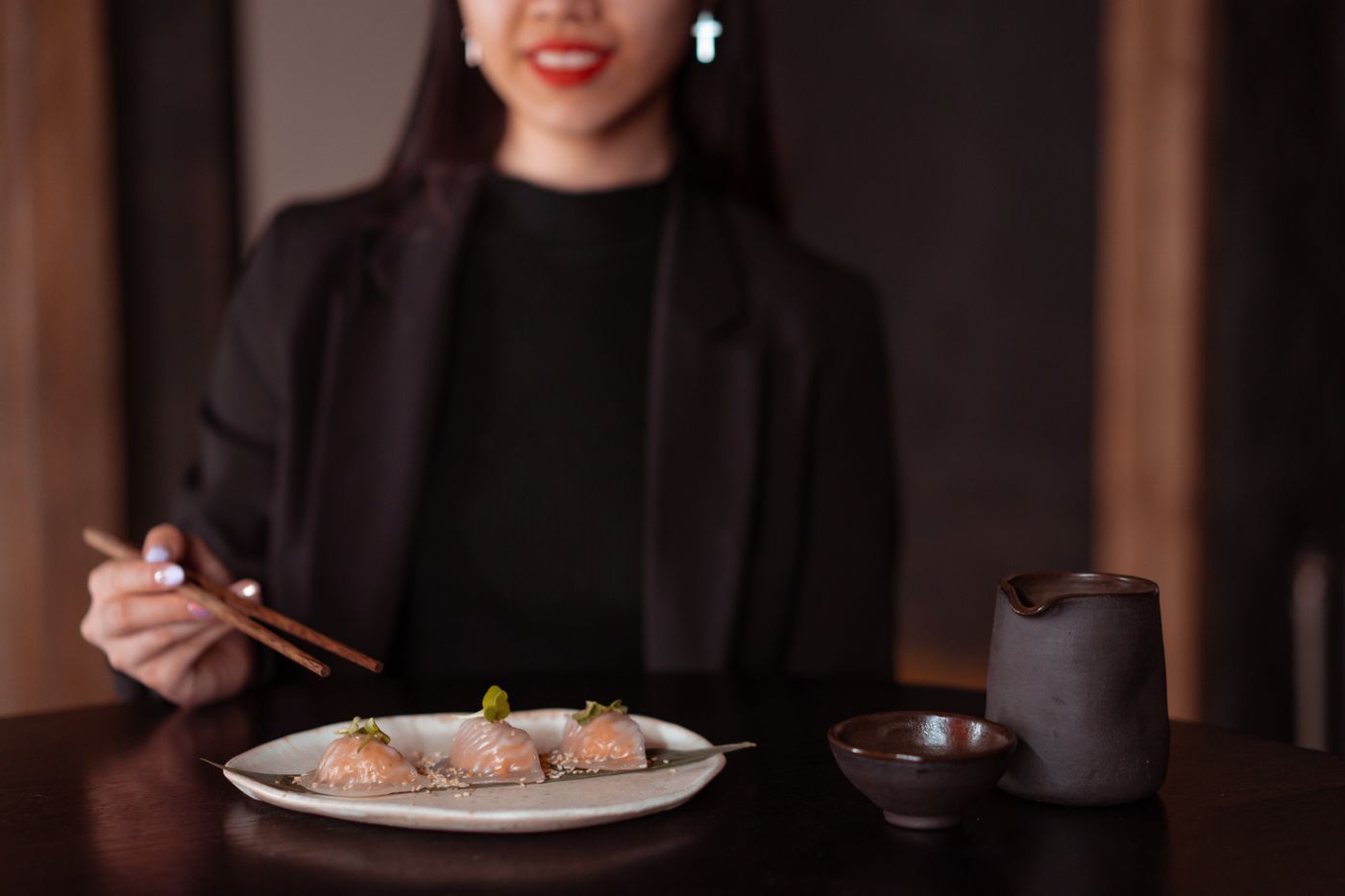
Dumplings Pairing Plate Reading
Dumplings pairing starts by reading the plate. In dumplings pairing, sweetness, fat, spice, salt, texture, temperature, and aftertaste decide whether tea should cleanse, echo, soften, or stay quiet.
Choosing by tea color alone misses the job floral, creamy, roasted, mineral, or fruity depending on oxidation and roast has to do beside food. Pairing advice fails when it picks a tea color before it reads the food for dumplings pairing.
If the reader is serving tea with food, this section should say when to brew stronger, pour smaller, cool the cup, change the tea family, or let the plate lead for dumplings pairing. The next buying checklist is useful only when the food exposes a brewing, buying, or tea-type question for dumplings pairing.
Dumplings pairing should begin with the plate. Fat, spice, sweetness, salt, texture, and serving temperature decide whether tea should cleanse, echo, soften, or stay quiet for dumplings pairing.
In this section, finish, vessel size, and a storage smell check should show whether floral, creamy, roasted, mineral, or fruity depending on oxidation and roast supports the food instead of competing with it for dumplings pairing. Pairing advice fails when it picks a tea color before it reads the food for dumplings pairing.
If the reader is fixing a disappointing cup, this section should say when to brew stronger, pour smaller, cool the cup, change the tea family, or let the plate lead for dumplings pairing. The next food pairing guide is useful only when the food exposes a brewing, buying, or tea-type question for dumplings pairing.
Dumplings Pairing Weight And Sweetness
Weight and sweetness in dumplings pairing decide strength. For dumplings pairing, a rich plate can take more body while a delicate plate needs restraint around finish.
Oolong tea can work when floral, creamy, roasted, mineral, or fruity depending on oxidation and roast supports the food instead of competing with it. Dumplings pairing should begin with the plate.
Fat, spice, sweetness, salt, texture, and serving temperature decide whether tea should cleanse, echo, soften, or stay quiet for dumplings pairing. In this section, finish, package date, and a second infusion should show whether floral, creamy, roasted, mineral, or fruity depending on oxidation and roast supports the food instead of competing with it for dumplings pairing.
Pairing advice fails when it picks a tea color before it reads the food for dumplings pairing. If the reader is choosing a small sample online, this section should say when to brew stronger, pour smaller, cool the cup, change the tea family, or let the plate lead for dumplings pairing.
The next brewing method page is useful only when the food exposes a brewing, buying, or tea-type question for dumplings pairing. Dumplings pairing should begin with the plate.
Fat, spice, sweetness, salt, texture, and serving temperature decide whether tea should cleanse, echo, soften, or stay quiet for dumplings pairing. In this section, storage aroma, serving temperature, and a first conservative brew should show whether floral, creamy, roasted, mineral, or fruity depending on oxidation and roast supports the food instead of competing with it for dumplings pairing.
Dumplings Pairing Brewing Strength
Brew tea for dumplings pairing with a serving mindset and start with gongfu or western brewing with room for multiple infusions beside dumplings. Taste dumplings pairing beside one bite, then change strength, temperature, or cup size before changing tea family.
A floral, creamy, roasted, mineral, or fruity depending on oxidation and roast pairing should become clearer after a small adjustment. Pairing advice fails when it picks a tea color before it reads the food for dumplings pairing.
If the reader is serving tea with food, this section should say when to brew stronger, pour smaller, cool the cup, change the tea family, or let the plate lead for dumplings pairing. The next culture guide is useful only when the food exposes a brewing, buying, or tea-type question for dumplings pairing.
Dumplings pairing should begin with the plate. Fat, spice, sweetness, salt, texture, and serving temperature decide whether tea should cleanse, echo, soften, or stay quiet for dumplings pairing.
In this section, storage aroma, water temperature, and a label check should show whether floral, creamy, roasted, mineral, or fruity depending on oxidation and roast supports the food instead of competing with it for dumplings pairing. Pairing advice fails when it picks a tea color before it reads the food for dumplings pairing.
If the reader is fixing a disappointing cup, this section should say when to brew stronger, pour smaller, cool the cup, change the tea family, or let the plate lead for dumplings pairing. The next tea type page is useful only when the food exposes a brewing, buying, or tea-type question for dumplings pairing.
Dumplings Pairing Pairing Failure Signals
Dumplings pairing overpowers tea when the plate is too spicy, oily, sweet, or aromatic for the cup. In dumplings pairing, the reverse problem is a strong tea flattening the food before floral, creamy, roasted, mineral, or fruity depending on oxidation and roast can help.
The correction for dumplings pairing is usually cleaner storage, a smaller serving, or a tea with cleaner finish. Dumplings pairing should begin with the plate.
Fat, spice, sweetness, salt, texture, and serving temperature decide whether tea should cleanse, echo, soften, or stay quiet for dumplings pairing. In this section, storage aroma, steep time, and a cooling taste test should show whether floral, creamy, roasted, mineral, or fruity depending on oxidation and roast supports the food instead of competing with it for dumplings pairing.
Pairing advice fails when it picks a tea color before it reads the food for dumplings pairing. If the reader is choosing a small sample online, this section should say when to brew stronger, pour smaller, cool the cup, change the tea family, or let the plate lead for dumplings pairing.
The next food pairing guide is useful only when the food exposes a brewing, buying, or tea-type question for dumplings pairing. Dumplings pairing should begin with the plate.
Fat, spice, sweetness, salt, texture, and serving temperature decide whether tea should cleanse, echo, soften, or stay quiet for dumplings pairing. In this section, dry-leaf aroma, vessel size, and a small guest serving should show whether floral, creamy, roasted, mineral, or fruity depending on oxidation and roast supports the food instead of competing with it for dumplings pairing.
Dumplings Pairing Guest Service Plan
Serving dumplings pairing to guests should avoid extremes. For dumplings pairing, keep the first pour moderate, explain the pairing in one plain sentence, and leave room to adjust after liquor color shows up.
The host's job in dumplings pairing is to make the food easier to enjoy, not to prove the pairing theory. Pairing advice fails when it picks a tea color before it reads the food for dumplings pairing.
If the reader is serving tea with food, this section should say when to brew stronger, pour smaller, cool the cup, change the tea family, or let the plate lead for dumplings pairing. The next brewing method page is useful only when the food exposes a brewing, buying, or tea-type question for dumplings pairing.
Dumplings pairing should begin with the plate. Fat, spice, sweetness, salt, texture, and serving temperature decide whether tea should cleanse, echo, soften, or stay quiet for dumplings pairing.
In this section, dry-leaf aroma, package date, and a side-by-side cup should show whether floral, creamy, roasted, mineral, or fruity depending on oxidation and roast supports the food instead of competing with it for dumplings pairing. Pairing advice fails when it picks a tea color before it reads the food for dumplings pairing.
If the reader is fixing a disappointing cup, this section should say when to brew stronger, pour smaller, cool the cup, change the tea family, or let the plate lead for dumplings pairing. The next storage guide is useful only when the food exposes a brewing, buying, or tea-type question for dumplings pairing.
Dumplings Pairing Adjustment Route
A cleaner dumplings pairing pairing follows the failure. If dumplings pairing tastes bitter, use gentler brewing; if the food is heavy, add body; if sweetness dominates, look for briskness; if the plate is delicate, keep a quieter cup.
Brew the pairing for dumplings pairing once before serving guests, then adjust strength instead of changing the tea immediately. Dumplings pairing should begin with the plate.
Fat, spice, sweetness, salt, texture, and serving temperature decide whether tea should cleanse, echo, soften, or stay quiet for dumplings pairing. In this section, dry-leaf aroma, sample size, and a storage smell check should show whether floral, creamy, roasted, mineral, or fruity depending on oxidation and roast supports the food instead of competing with it for dumplings pairing.
Pairing advice fails when it picks a tea color before it reads the food for dumplings pairing. If the reader is choosing a small sample online, this section should say when to brew stronger, pour smaller, cool the cup, change the tea family, or let the plate lead for dumplings pairing.
The next tea type page is useful only when the food exposes a brewing, buying, or tea-type question for dumplings pairing. Dumplings pairing should begin with the plate.
Fat, spice, sweetness, salt, texture, and serving temperature decide whether tea should cleanse, echo, soften, or stay quiet for dumplings pairing. In this section, body, water temperature, and a second infusion should show whether floral, creamy, roasted, mineral, or fruity depending on oxidation and roast supports the food instead of competing with it for dumplings pairing.
Pairing Role
Pair tea with dumplings using flavor weight, sweetness, fat, spice, and serving temperature.
A pairing card for oolong tea: plate weight, contrast or echo, serving strength, beginner brew, and the point where tea should step back.
gongfu or western brewing with room for multiple infusions beside dumplings
For dumplings pairing, use the pairing idea to balance taste, texture, and hosting comfort; do not turn oolong tea into a digestion promise.
Pairing Aid
Dumplings Pairing Pairing Table
Use this before serving dumplings pairing to another person.
| Situation | Read | Move |
|---|---|---|
| Plate | For dumplings pairing, check sweetness, fat, spice, salt, texture, and aftertaste before picking the tea. | For dumplings pairing, match body to food weight before chasing aroma notes. |
| Tea Role | Dumplings pairing should lean into floral, creamy, roasted, mineral, or fruity depending on oxidation and roast. | For dumplings pairing, choose one role for the tea; trying to cleanse, sweeten, and dominate at once muddies the pairing. |
| Adjustment | Dumplings pairing works best when you gongfu or western brewing with room for multiple infusions beside dumplings. | For dumplings pairing, change serving strength before changing the tea family. |
Field note
Dumplings Tea Pairing by weight and aftertaste
Dumplings Tea Pairing works when the tea has a clear role: cut richness, echo sweetness, soften spice, or refresh the finish. For Dumplings Tea Pairing, color and tradition are weaker guides than fat, salt, sugar, heat, and texture on the plate.
Plate-To-Cup Decisions
Read The Plate First
For Dumplings Tea Pairing, dumplings pairing starts with food weight, not tea color In dumplings pairing, sugar, fat, oil, spice, salt, creaminess, crunch, and lingering finish decide whether the tea should cleanse, echo, soften, or stand aside. A delicate tea can vanish beside a heavy oolong tea plate; a bold tea can bully quiet food. Name the job before choosing the leaf. Dumplings Tea Pairing should start with the plate. Check food weight, sugar, fat, spice, milk, lemon, water temperature, steep strength, aroma, body, finish, and whether the tea clears or competes with oolong tea for Dumplings Tea Pairing.
Tea Role At The Table
For Dumplings Tea Pairing, the first tea to test is oolong tea, because it can bring floral, creamy, roasted, mineral, or fruity depending on oxidation and roast Brew it by this cue: gongfu or western brewing with room for multiple infusions beside dumplings. Then ask whether dumplings pairing clears richness, cools spice, lifts sweetness, matches roast, or adds structure without making the food taste dull. If the answer is unclear for dumplings pairing, adjust strength before replacing the tea family. For Dumplings Tea Pairing, the tea role is visible only after a sample brew. Note leaf style, briskness, roast, floral aroma, body, aftertaste, serving temperature, cup size, and how the finish behaves beside the food for Dumplings Tea Pairing.
Serving Strength
For Dumplings Tea Pairing, serving strength changes dumplings pairing more than people expect For dumplings pairing, a slightly stronger black tea may hold milk, butter, or breakfast food; a lighter green tea may keep dim sum or seafood from tasting metallic; roasted oolong can bridge savory dishes when perfume would feel distracting. Keep cup size moderate for oolong tea so a guest can change direction without wasting a full pot. A stronger Dumplings Tea Pairing answer tells the host what to adjust: package strength, steep length, water heat, mug size, milk use, lighter leaf, roasted oolong, brisk black tea, or a quieter green tea when the plate leads.
When Tea Should Step Back
For Dumplings Tea Pairing, the pairing wrong turn in dumplings pairing is choosing tea by color or tradition alone while ignoring food weight, sugar, oil, spice, and aftertaste The fix in dumplings pairing is to let the food lead when the plate is already complex. Use a cleaner brew, smaller cup, or quieter tea when oolong tea starts to compete. Open a brewing page next for dumplings pairing if bitterness, body, or temperature is the problem; open another pairing page only when the food itself has changed. When Dumplings Tea Pairing fails, do not change every tea at once. Compare aroma, body, finish, bitterness, plate weight, serving temperature, and whether a clearer label or smaller sample would make the next pairing safer for Dumplings Tea Pairing.
Serve The Pairing
- Start with the actual choice: Pair tea with dumplings using flavor weight, sweetness, fat, spice, and serving temperature
- For dumplings pairing, aim for floral, creamy, roasted, mineral, or fruity depending on oxidation and roast, then decide whether that flavor actually fits the moment.
- Brew the first dumplings pairing test this way: gongfu or western brewing with room for multiple infusions beside dumplings.
- Before changing dumplings pairing, take one unsweetened sip and name whether aroma, body, bitterness, finish, or temperature is the issue.
- Finish with one next move: Brew the pairing for dumplings pairing once before serving guests, then adjust strength instead of changing the tea immediately.
Mistakes worth avoiding
Using the hottest water for dumplings pairing before checking whether the leaf needs a softer start.
Treating caffeine in dumplings pairing as a fixed number instead of a range shaped by leaf, time, and serving size.
For dumplings pairing, skipping the practical check means ignoring a pairing card for oolong tea covering plate weight, contrast or echo, serving strength, beginner brew, and the point where tea should step back until the cup, cart, or table is already harder to fix.
For dumplings pairing, the family-level trap is pairing only by color or tradition while missing the weight and aftertaste of the food.
Pairing Questions
Should dumplings pairing contrast or echo the dish?
For dumplings pairing, oolong tea works when sweetness, fat, spice, salt, roast, texture, serving temperature, and whether tea should contrast or echo the food match the reader's situation. Check food weight, sugar level, dairy or oil, heat, umami, fruit acidity, chocolate bitterness, and whether milk or lemon belongs; if those dumplings pairing checks conflict, choose the smaller sample, gentler brew, or clearer label.
What can overpower the tea in dumplings pairing?
For dumplings pairing, Dumplings Tea Pairing usually disappoints when pairing only by color or tradition while missing the weight and aftertaste of the food. Also watch for dumplings pairing problems such as overheated water, stale leaves, vague origin language, oversized packages, or a pairing that feels heavier than the tea.
Which digestion claim should dumplings pairing avoid?
For dumplings pairing, use the pairing idea to balance taste, texture, and hosting comfort; do not turn oolong tea into a digestion promise. Keep dumplings pairing about flavor, hospitality, and serving strength rather than digestion claims. For dumplings pairing, pairing pages are about flavor and hospitality, not digestion promises.
What should I test before serving dumplings pairing to guests?
For dumplings pairing, brew the pairing for dumplings pairing once before serving guests, then adjust strength instead of changing the tea immediately. After that, match the follow-up to the reader's problem: dumplings pairing taste calls for a tea-type page, brewing calls for the timer, buying calls for a checklist, and personal suitability questions belong outside a general tea guide.
How sweet should the tea be for dumplings pairing?
Dumplings Tea Pairing should answer one practical decision first: Pair tea with dumplings using flavor weight, sweetness, fat, spice, and serving temperature. For dumplings pairing, start with oolong tea, expect floral, creamy, roasted, mineral, or fruity depending on oxidation and roast, and brew the first test this way: gongfu or western brewing with room for multiple infusions beside dumplings. The dumplings pairing takeaway is the cup change the reader can repeat.
References
The notes below connect tea categories and brewing context to the pairing choices on this page.
Used here for oolong specificity in dumplings pairing, especially aroma, roast, cultivar, and regional processing context beyond broad tea-family summaries.
Tea and Herbal Association of CanadaTea and Food PairingUsed here for the food-pairing judgment in dumplings pairing, especially sweetness, fat, savory weight, contrast, and serving decisions around the plate.
UK Tea & Infusions AssociationMany different Varieties of TeaUsed here for named tea-variety context in dumplings pairing, so the reader can connect oolong tea to recognizable tea families and everyday category language.
What these references support
- Taiwan Tea Research and Extension Stationtea-family, processing, sensory, or variety context that grounds dumplings tea pairing in observable cup and label clues
Dumplings tea pairing uses tea family and variety names as processing, flavor, and preparation clues.
- Tea and Herbal Association of Canadafood-pairing logic for dumplings tea pairing, matching weight, aroma, sweetness, texture, contrast, and finish at the table
Dumplings tea pairing works through weight, aroma, sweetness, texture, contrast, and finish.
- UK Tea & Infusions Associationtea-family, processing, sensory, or variety context that grounds dumplings tea pairing in observable cup and label clues
Dumplings tea pairing uses tea family and variety names as processing, flavor, and preparation clues.