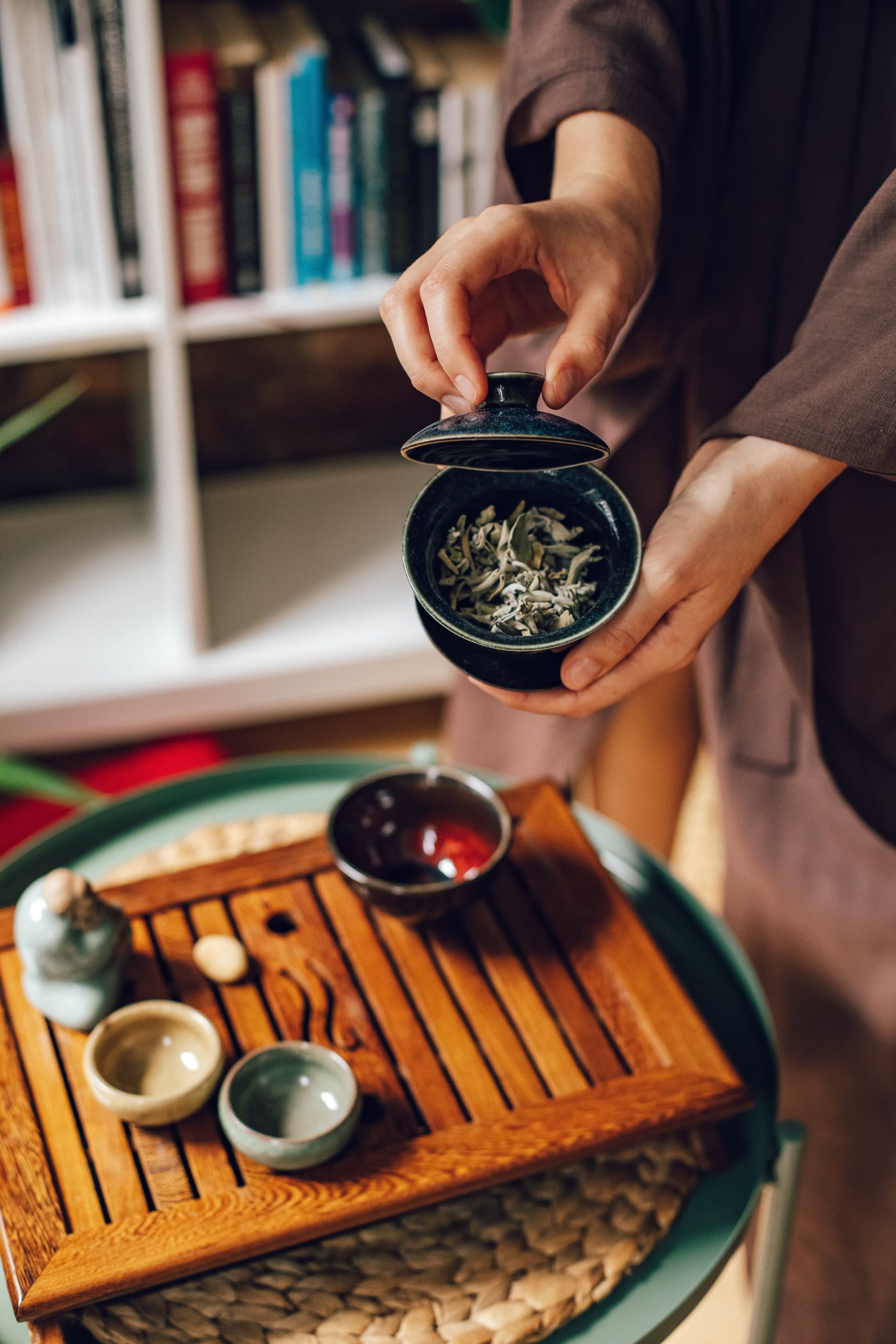
Gaiwan Practice Cultural Context
Gaiwan practice has meaning because it changes what people do with tea in a specific setting - choose vessels, pace pours, handle heat, show respect, share aroma, or make guests comfortable. The context behind gaiwan practice should therefore begin with use, not decoration.
Gaiwan practice should stay attached to use through vessels, water handling, pour order, guest comfort, cleanup, and whether the tea still tastes good. If the reader is brewing one cup before work, the section should translate gaiwan practice into one respectful action rather than a performance script.
The side-by-side cup is whether ritual, texture, aroma, and attention, hospitality, and the object on the table all make more sense together for gaiwan practice. A culture page becomes thin when it describes atmosphere without telling the reader what to do differently for gaiwan practice.
In gaiwan practice, body, leaf amount, and the shape of the vessel should support the practice. When the object question becomes practical, the next buying checklist should help with brewing, etiquette, or buying rather than repeating the same cultural background for gaiwan practice.
Gaiwan practice should stay attached to use through vessels, water handling, pour order, guest comfort, cleanup, and whether the tea still tastes good. If the reader is choosing a small sample online, the section should translate gaiwan practice into one respectful action rather than a performance script.
The storage smell check is whether ritual, texture, aroma, and attention, hospitality, and the object on the table all make more sense together for gaiwan practice.
Gaiwan Practice Objects And Sequence
Sequence and etiquette around gaiwan practice should stay readable. In gaiwan practice, notice who is served, how hot water moves, where cups sit, how small pours are handled, and when explanation helps rather than interrupts.
Cultural detail becomes more useful when gaiwan practice improves hospitality at the table. A culture page becomes thin when it describes atmosphere without telling the reader what to do differently for gaiwan practice.
In gaiwan practice, body, vessel size, and the shape of the vessel should support the practice. When the object question becomes practical, the next comparison page should help with brewing, etiquette, or buying rather than repeating the same cultural background for gaiwan practice.
Gaiwan practice should stay attached to use through vessels, water handling, pour order, guest comfort, cleanup, and whether the tea still tastes good. If the reader is serving tea with food, the section should translate gaiwan practice into one respectful action rather than a performance script.
The second infusion is whether ritual, texture, aroma, and attention, hospitality, and the object on the table all make more sense together for gaiwan practice. A culture page becomes thin when it describes atmosphere without telling the reader what to do differently for gaiwan practice.
In gaiwan practice, aftertaste, sample size, and the shape of the vessel should support the practice. When the object question becomes practical, the next brewing method page should help with brewing, etiquette, or buying rather than repeating the same cultural background for gaiwan practice.
Gaiwan Practice Home Practice
A small practice for gaiwan practice can fit an ordinary home. For gaiwan practice, choose one visible action, such as warming cups, pouring less, setting a fairness cup, explaining a second infusion, or keeping the table clear.
Anchor gaiwan practice with practice gaiwan with small cups, shorter pours, visible leaf aroma, and a clear serving order when the topic involves practice so the gesture remains attached to tea quality. Gaiwan practice should stay attached to use through vessels, water handling, pour order, guest comfort, cleanup, and whether the tea still tastes good.
If the reader is brewing one cup before work, the section should translate gaiwan practice into one respectful action rather than a performance script. The first conservative brew is whether ritual, texture, aroma, and attention, hospitality, and the object on the table all make more sense together for gaiwan practice.
A culture page becomes thin when it describes atmosphere without telling the reader what to do differently for gaiwan practice. In gaiwan practice, aftertaste, serving temperature, and the shape of the vessel should support the practice.
When the object question becomes practical, the next culture guide should help with brewing, etiquette, or buying rather than repeating the same cultural background for gaiwan practice. Gaiwan practice should stay attached to use through vessels, water handling, pour order, guest comfort, cleanup, and whether the tea still tastes good.
If the reader is choosing a small sample online, the section should translate gaiwan practice into one respectful action rather than a performance script. The label check is whether ritual, texture, aroma, and attention, hospitality, and the object on the table all make more sense together for gaiwan practice.
Gaiwan Practice Misreadings And Boundaries
Gaiwan practice gets misread when performance outruns comfort. For gaiwan practice, treat tradition as cultural context for objects, gestures, and serving order, not as proof that gaiwan guide creates a guaranteed result.
If a tool, gesture, or rule makes gaiwan practice tense, simplify it. The best cultural learning for gaiwan practice makes the tea easier to share, not harder to approach.
A culture page becomes thin when it describes atmosphere without telling the reader what to do differently for gaiwan practice. In gaiwan practice, aftertaste, water temperature, and the shape of the vessel should support the practice.
When the object question becomes practical, the next buying checklist should help with brewing, etiquette, or buying rather than repeating the same cultural background for gaiwan practice. Gaiwan practice should stay attached to use through vessels, water handling, pour order, guest comfort, cleanup, and whether the tea still tastes good.
If the reader is serving tea with food, the section should translate gaiwan practice into one respectful action rather than a performance script. The cooling taste test is whether ritual, texture, aroma, and attention, hospitality, and the object on the table all make more sense together for gaiwan practice.
A culture page becomes thin when it describes atmosphere without telling the reader what to do differently for gaiwan practice. In gaiwan practice, leaf shape, leaf amount, and the shape of the vessel should support the practice.
When the object question becomes practical, the next food pairing guide should help with brewing, etiquette, or buying rather than repeating the same cultural background for gaiwan practice.
Gaiwan Practice Modern Use
Modern use of gaiwan practice can be modest. A glass cup, small tray, clean towel, or simple cup can be enough when it solves heat, pouring, aroma, or cleanup.
The reader does not need a full tea-room script before a respectful attempt at gaiwan practice. Gaiwan practice should stay attached to use through vessels, water handling, pour order, guest comfort, cleanup, and whether the tea still tastes good.
If the reader is brewing one cup before work, the section should translate gaiwan practice into one respectful action rather than a performance script. The small guest serving is whether ritual, texture, aroma, and attention, hospitality, and the object on the table all make more sense together for gaiwan practice.
A culture page becomes thin when it describes atmosphere without telling the reader what to do differently for gaiwan practice. In gaiwan practice, leaf shape, vessel size, and the shape of the vessel should support the practice.
When the object question becomes practical, the next brewing method page should help with brewing, etiquette, or buying rather than repeating the same cultural background for gaiwan practice. Gaiwan practice should stay attached to use through vessels, water handling, pour order, guest comfort, cleanup, and whether the tea still tastes good.
If the reader is choosing a small sample online, the section should translate gaiwan practice into one respectful action rather than a performance script. The side-by-side cup is whether ritual, texture, aroma, and attention, hospitality, and the object on the table all make more sense together for gaiwan practice.
Gaiwan Practice Brewing And Culture Links
After learning gaiwan practice, follow the object question if one remains. For gaiwan practice, teaware pages help with vessels, etiquette pages help with guests, brewing pages help with taste, and regional pages help with style.
Try one modest part of gaiwan practice at home, then read the related teaware or etiquette page before adding more ceremony. A culture page becomes thin when it describes atmosphere without telling the reader what to do differently for gaiwan practice.
In gaiwan practice, leaf shape, package date, and the shape of the vessel should support the practice. When the object question becomes practical, the next culture guide should help with brewing, etiquette, or buying rather than repeating the same cultural background for gaiwan practice.
Gaiwan practice should stay attached to use through vessels, water handling, pour order, guest comfort, cleanup, and whether the tea still tastes good. If the reader is serving tea with food, the section should translate gaiwan practice into one respectful action rather than a performance script.
The storage smell check is whether ritual, texture, aroma, and attention, hospitality, and the object on the table all make more sense together for gaiwan practice. A culture page becomes thin when it describes atmosphere without telling the reader what to do differently for gaiwan practice.
In gaiwan practice, liquor color, serving temperature, and the shape of the vessel should support the practice. When the object question becomes practical, the next tea type page should help with brewing, etiquette, or buying rather than repeating the same cultural background for gaiwan practice.
Practice Context
Practice a stable gaiwan grip and pour with cool water before choosing leaf or timing.
A grip, lid-gap, pour-angle, and cool-water rehearsal checklist.
practice gaiwan with small cups, shorter pours, visible leaf aroma, and a clear serving order when the topic involves practice
For gaiwan practice, treat tradition as cultural context for objects, gestures, and serving order, not as proof that gaiwan guide creates a guaranteed result.
Practice Aid
Gaiwan Practice Practice Steps
A simple order for trying gaiwan practice without overperforming the ritual.
- Use gaiwan practice to connect meaning with use: what the object does, when it appears, and what problem it solves.
- For gaiwan practice, slow the sequence enough that heat, hospitality, and taste stay more important than performance.
- After gaiwan practice, keep the part that improved the cup or the table and leave the decorative excess behind.
Field note
Gaiwan Guide before performance
Gaiwan Guide should make the table clearer, calmer, or more hospitable. If the object, gesture, or sequence in Gaiwan Guide does not improve pouring, tasting, serving, or comfort, simplify the setup before adding more ceremony.
Culture-To-Use Decisions
Reader Situation: The Object Has A Job
For gaiwan practice, you use a gaiwan to see the leaves, smell the lid, pour quickly, and reset the next infusion Those practical reasons matter more than performing a scene you saw online. gaiwan practice should connect practice to the table. Notice teaware, gaiwan or pot size, cup heat, pouring order, leaf aroma, water temperature, infusion pace, guest comfort, towel use, storage, and whether gaiwan practice changes hospitality. For gaiwan practice, cultural meaning becomes clearer when the object solves a real problem: vessel heat, small pours, shared pitcher, aroma, body, finish, cleanup, label language, or a simpler way to serve guests.
Wrong Decision: The Performance Trap
For gaiwan practice, avoid copying gestures that make the table tense, unsafe, or confusing for guests A respectful home practice is simple: warm the vessel, pour small cups, notice the tea, and keep the handling comfortable. For gaiwan practice, cultural meaning becomes clearer when the object solves a real problem: vessel heat, small pours, shared pitcher, aroma, body, finish, cleanup, label language, or a simpler way to serve guests. A respectful gaiwan practice page should tell the reader what to try once: warm a cup, smell the dry leaf, pour a small infusion, watch water and vessel handling, then decide whether the practice improved comfort or taste.
Meaning Through Use
Gaiwan practice should be read through what it does at the table: handle heat, pace small pours, show aroma, share tea, clarify serving order, or make guests more comfortable. Culture around gaiwan practice becomes easier to understand when it is tied to objects, sequence, vessel heat, cup size, and visible leaf aroma. Start with the visible practice in gaiwan practice, then ask what problem it solves before copying the look of the ritual. A respectful gaiwan practice page should tell the reader what to try once: warm a cup, smell the dry leaf, pour a small infusion, watch water and vessel handling, then decide whether the practice improved comfort or taste.
Objects And Sequence
The objects around gaiwan practice matter because vessel size, lid control, cup shape, fairness pouring, towel use, kettle placement, and cleanup change the session. In gaiwan practice, a gaiwan, small pot, tasting cup, tray, or pitcher is not automatically serious; it belongs on the table only when it makes aroma, temperature, sharing, or repeated infusions easier to manage. If gaiwan practice feels decorative, bring it back to leaf, aroma, water, vessel, cup size, infusion sequence, storage, teaware names, and the next etiquette or brewing page that answers the remaining question.
Try It Respectfully
- Start with the actual choice: Practice a stable gaiwan grip and pour with cool water before choosing leaf or timing
- Use ritual, texture, aroma, and attention as the target for gaiwan practice, then stop if the cup does not suit the real routine.
- For gaiwan practice, make the first trial repeatable with this cue: practice gaiwan with small cups, shorter pours, visible leaf aroma, and a clear serving order when the topic involves practice.
- For gaiwan practice, taste the plain cup first so sweetness, milk, lemon, or ice does not become the explanation for everything.
- Finish with one next move: Try one modest part of gaiwan practice at home, then read the related teaware or etiquette page before adding more ceremony.
Mistakes worth avoiding
Using the hottest water for gaiwan practice before checking whether the leaf needs a softer start.
Treating caffeine in gaiwan practice as a fixed number instead of a range shaped by leaf, time, and serving size.
With gaiwan practice, the avoidable mistake is treating a grip, lid-gap, pour-angle, and cool-water rehearsal checklist as decoration instead of the test that keeps the decision usable.
For gaiwan practice, the page starts to fail when the reader is copying ceremonial gestures without understanding why the object or sequence exists.
Culture Questions
What should I avoid copying in gaiwan practice?
For gaiwan practice, gaiwan practice works when object, sequence, etiquette, regional context, modern use, and what can be tried respectfully at home match the reader's situation. Check teaware names, serving order, cup size, guest comfort, heat safety, storage, and when a simplified setup is enough; if those gaiwan practice checks conflict, choose the smaller sample, gentler brew, or clearer label.
Which phrase or object should I recognize in gaiwan practice?
For gaiwan practice, Gaiwan Guide usually disappoints when copying ceremonial gestures without understanding why the object or sequence exists. Also watch for gaiwan practice problems such as overheated water, stale leaves, vague origin language, oversized packages, or a pairing that feels heavier than the tea.
When is a simplified version of gaiwan practice enough?
For gaiwan practice, treat tradition as cultural context for objects, gestures, and serving order, not as proof that gaiwan guide creates a guaranteed result. Keep gaiwan practice grounded in practice, language, and hospitality rather than promises about results. For gaiwan practice, culture pages can explain practice and language; they should not promise spiritual or health outcomes.
How does gaiwan practice connect to serving guests?
For gaiwan practice, try one modest part of gaiwan practice at home, then read the related teaware or etiquette page before adding more ceremony. After that, match the follow-up to the reader's problem: gaiwan practice taste calls for a tea-type page, brewing calls for the timer, buying calls for a checklist, and personal suitability questions belong outside a general tea guide.
How can I try gaiwan practice respectfully?
Gaiwan Guide should answer one practical decision first: Practice a stable gaiwan grip and pour with cool water before choosing leaf or timing. For gaiwan practice, start with gaiwan practice, expect ritual, texture, aroma, and attention, and brew the first test this way: practice gaiwan with small cups, shorter pours, visible leaf aroma, and a clear serving order when the topic involves practice. The gaiwan practice takeaway is the cup change the reader can repeat.
References
The notes below show which cultural, vocabulary, or serving judgment each reference anchors.
Used here for the cultural-practice frame in gaiwan practice, so tools, serving order, and regional references are treated as social practice rather than decoration.
TeaVivreHow to Make a Great Cup of TeaUsed here for Chinese-tea brewing workflow in gaiwan practice, especially small vessels, short pours, rinses, and multi-infusion practice.
Victoria and Albert MuseumTeapots Through TimeUsed here for teaware and service context in gaiwan practice, especially why cups, pots, and small vessels change how a tea session is understood.
Smithsonian National Museum of American HistoryTea and teaware collectionsUsed here for teaware object context in gaiwan practice, especially when pots, cups, service, or material culture shape how the tea setting is understood.
What these references support
- UNESCO Intangible Cultural Heritagecultural and teaware context that explains gaiwan practice through objects, setting, and social use
Gaiwan practice treats tea practice as social, material, regional, and tied to serving context.
- TeaVivrebrewing-variable context for gaiwan practice, especially time, temperature, vessel, and adjustment logic
Gaiwan practice depends on time, temperature, water amount, leaf amount, and vessel size changing extraction.
- Victoria and Albert Museumcultural and teaware context that explains gaiwan practice through objects, setting, and social use
Gaiwan practice treats tea practice as social, material, regional, and tied to serving context.
- Smithsonian National Museum of American Historycultural and teaware context that explains gaiwan practice through objects, setting, and social use
Gaiwan practice treats tea practice as social, material, regional, and tied to serving context.