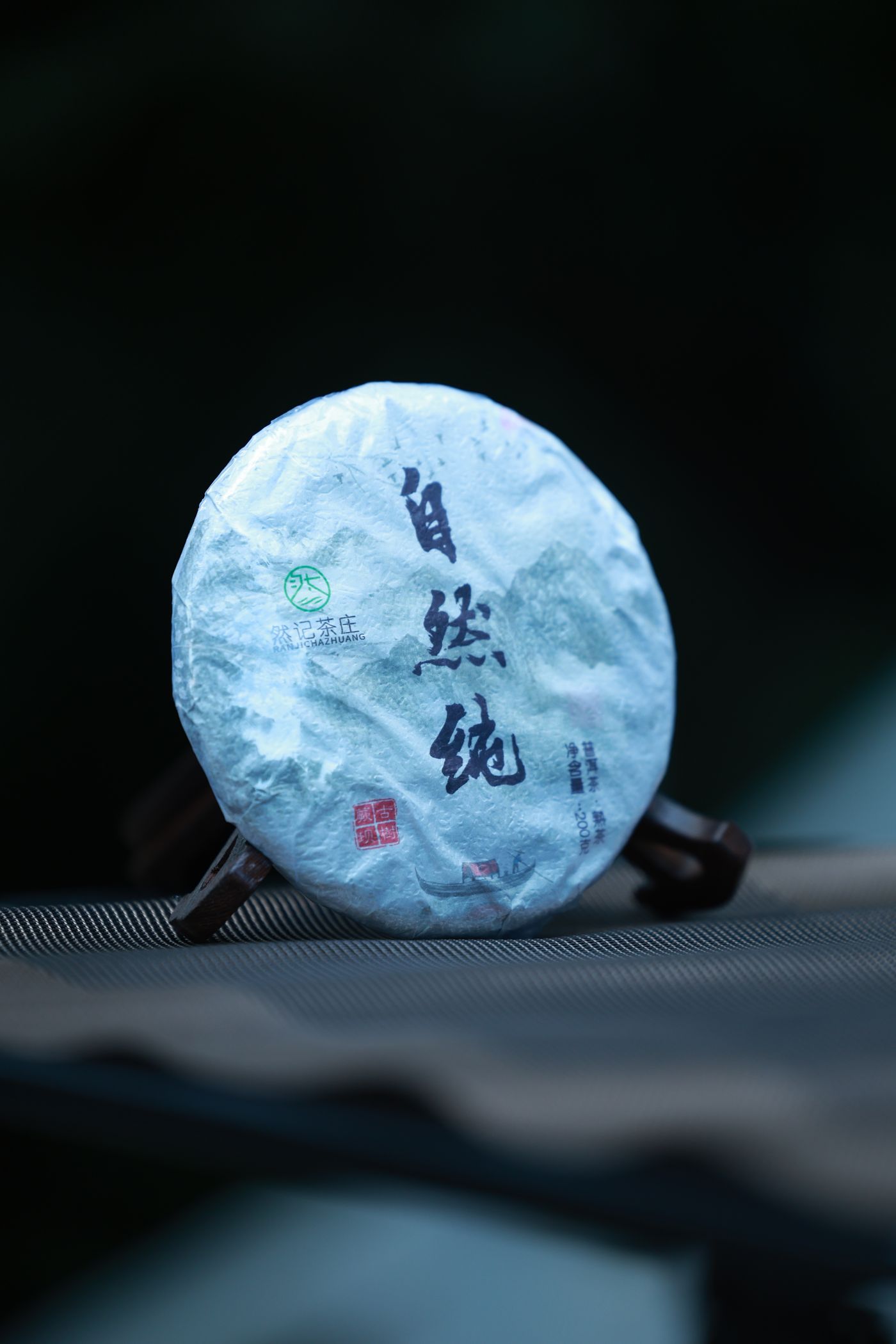
Tea For Dessert Moment Fit
Tea for dessert should begin with the moment, not the tea shelf. For tea for dessert, the cup may need to feel quiet, bold, warming, cooling, portable, social, low-caffeine, or low-effort.
Pu-erh tea fits only if earthy, woody, camphor-like, aged, or bright when young serves that setting. The fallback matters because situations are messy.
When tea for dessert turns too strong, too weak, too fragrant, too stimulating, or too fussy, the section should show how to step toward move toward black tea or roasted oolong when storage notes, compression, or bitterness feel like too much work, a smaller serving, a simpler vessel, or a different food pairing guide. The reader should finish with a plan for the imperfect day, not only the ideal cup for tea for dessert.
Tea for dessert has to survive the real moment. If the reader is sharing tea with a friend, the tea choice depends on caffeine comfort, cleanup, food weight, cup size, and whether earthy, woody, camphor-like, aged, or bright when young feels easy rather than impressive for tea for dessert.
Use storage aroma, sample size, and a second infusion to decide whether pu-erh tea is actually suited to the setting or just sounds nice in the title for tea for dessert. The fallback matters because situations are messy.
When tea for dessert turns too strong, too weak, too fragrant, too stimulating, or too fussy, the section should show how to step toward move toward black tea or roasted oolong when storage notes, compression, or bitterness feel like too much work, a smaller serving, a simpler vessel, or a different comparison page. The reader should finish with a plan for the imperfect day, not only the ideal cup for tea for dessert.
Tea For Dessert Taste, Caffeine, And Effort
Taste and caffeine belong together in tea for dessert. A tea can taste right for tea for dessert and still be wrong for the clock, sensitivity, serving size, or cleanup.
For tea for dessert decisions, pu-erh tea is caffeinated, so it may not suit late evenings, pregnancy concerns, anxiety, insomnia, or medication questions for every reader; judge pu-erh tea by serving size, steep strength, and timing before making it a daily routine. Read body, aroma, and energy level through tea for dessert rather than treating flavor as the only filter.
Tea for dessert has to survive the real moment. If the reader is fixing a disappointing cup, the tea choice depends on caffeine comfort, cleanup, food weight, cup size, and whether earthy, woody, camphor-like, aged, or bright when young feels easy rather than impressive for tea for dessert.
Use storage aroma, serving temperature, and a first conservative brew to decide whether pu-erh tea is actually suited to the setting or just sounds nice in the title for tea for dessert. The fallback matters because situations are messy.
When tea for dessert turns too strong, too weak, too fragrant, too stimulating, or too fussy, the section should show how to step toward move toward black tea or roasted oolong when storage notes, compression, or bitterness feel like too much work, a smaller serving, a simpler vessel, or a different storage guide. The reader should finish with a plan for the imperfect day, not only the ideal cup for tea for dessert.
Tea For Dessert Low-Effort Setup
A low-effort setup for tea for dessert needs fewer moving parts - one tea, a forgiving vessel, a timer, and a backup. Begin with rinsed leaves, short infusions, and storage-aware tasting for tea for dessert.
If attention is limited in tea for dessert, choose the tea that survives the simplest method before choosing the most interesting leaf. The fallback matters because situations are messy.
When tea for dessert turns too strong, too weak, too fragrant, too stimulating, or too fussy, the section should show how to step toward move toward black tea or roasted oolong when storage notes, compression, or bitterness feel like too much work, a smaller serving, a simpler vessel, or a different tea type page. The reader should finish with a plan for the imperfect day, not only the ideal cup for tea for dessert.
Tea for dessert has to survive the real moment. If the reader is sharing tea with a friend, the tea choice depends on caffeine comfort, cleanup, food weight, cup size, and whether earthy, woody, camphor-like, aged, or bright when young feels easy rather than impressive for tea for dessert.
Use dry-leaf aroma, leaf amount, and a cooling taste test to decide whether pu-erh tea is actually suited to the setting or just sounds nice in the title for tea for dessert. The fallback matters because situations are messy.
When tea for dessert turns too strong, too weak, too fragrant, too stimulating, or too fussy, the section should show how to step toward move toward black tea or roasted oolong when storage notes, compression, or bitterness feel like too much work, a smaller serving, a simpler vessel, or a different buying checklist. The reader should finish with a plan for the imperfect day, not only the ideal cup for tea for dessert.
Tea For Dessert Fallback Decision
Tea for dessert needs a fallback when the first choice feels too heavy, sharp, stimulating, fussy, or weak. Step toward move toward black tea or roasted oolong when storage notes, compression, or bitterness feel like too much work, a smaller serving, a lighter brew, or an herbal option.
A fallback keeps tea for dessert intact even when the ideal tea misses. Tea for dessert has to survive the real moment.
If the reader is fixing a disappointing cup, the tea choice depends on caffeine comfort, cleanup, food weight, cup size, and whether earthy, woody, camphor-like, aged, or bright when young feels easy rather than impressive for tea for dessert. Use dry-leaf aroma, vessel size, and a small guest serving to decide whether pu-erh tea is actually suited to the setting or just sounds nice in the title for tea for dessert.
The fallback matters because situations are messy. When tea for dessert turns too strong, too weak, too fragrant, too stimulating, or too fussy, the section should show how to step toward move toward black tea or roasted oolong when storage notes, compression, or bitterness feel like too much work, a smaller serving, a simpler vessel, or a different comparison page.
The reader should finish with a plan for the imperfect day, not only the ideal cup for tea for dessert.
Tea For Dessert Serving Plan
Serving tea for dessert to someone else adds a second filter - familiarity, food, caffeine comfort, cup size, and whether the tea can be explained without a lecture. The safest tea for dessert serving is usually moderate in strength and easy to adjust after one round.
The fallback matters because situations are messy. When tea for dessert turns too strong, too weak, too fragrant, too stimulating, or too fussy, the section should show how to step toward move toward black tea or roasted oolong when storage notes, compression, or bitterness feel like too much work, a smaller serving, a simpler vessel, or a different storage guide.
The reader should finish with a plan for the imperfect day, not only the ideal cup for tea for dessert. Tea for dessert has to survive the real moment.
If the reader is sharing tea with a friend, the tea choice depends on caffeine comfort, cleanup, food weight, cup size, and whether earthy, woody, camphor-like, aged, or bright when young feels easy rather than impressive for tea for dessert. Use body, serving temperature, and a storage smell check to decide whether pu-erh tea is actually suited to the setting or just sounds nice in the title for tea for dessert.
The fallback matters because situations are messy. When tea for dessert turns too strong, too weak, too fragrant, too stimulating, or too fussy, the section should show how to step toward move toward black tea or roasted oolong when storage notes, compression, or bitterness feel like too much work, a smaller serving, a simpler vessel, or a different culture guide.
The reader should finish with a plan for the imperfect day, not only the ideal cup for tea for dessert.
Tea For Dessert Caffeine, Food, Or Buying Route
After tea for dessert, open the page that matches the unresolved problem. For tea for dessert, tea type handles flavor, the timer handles brewing, buying guides handle labels, caffeine guides handle timing, and pairing pages handle food.
Use Tea Finder for tea for dessert if caffeine comfort, serving effort, and flavor weight point in different directions. Tea for dessert has to survive the real moment.
If the reader is fixing a disappointing cup, the tea choice depends on caffeine comfort, cleanup, food weight, cup size, and whether earthy, woody, camphor-like, aged, or bright when young feels easy rather than impressive for tea for dessert. Use body, water temperature, and a second infusion to decide whether pu-erh tea is actually suited to the setting or just sounds nice in the title for tea for dessert.
The fallback matters because situations are messy. When tea for dessert turns too strong, too weak, too fragrant, too stimulating, or too fussy, the section should show how to step toward move toward black tea or roasted oolong when storage notes, compression, or bitterness feel like too much work, a smaller serving, a simpler vessel, or a different buying checklist.
The reader should finish with a plan for the imperfect day, not only the ideal cup for tea for dessert. Tea for dessert has to survive the real moment.
If the reader is deciding whether a label is credible, the tea choice depends on caffeine comfort, cleanup, food weight, cup size, and whether earthy, woody, camphor-like, aged, or bright when young feels easy rather than impressive for tea for dessert. Use aftertaste, leaf amount, and a first conservative brew to decide whether pu-erh tea is actually suited to the setting or just sounds nice in the title for tea for dessert.
Moment Match
Choose a tea for dessert by taste, caffeine, and effort.
A situation map for tea for dessert with pu-erh tea: flavor weight, caffeine comfort, effort level, gentler fallback, and a brewing shortcut for this moment.
rinsed leaves, short infusions, and storage-aware tasting for tea for dessert
For tea for dessert decisions, pu-erh tea is caffeinated, so it may not suit late evenings, pregnancy concerns, anxiety, insomnia, or medication questions for every reader; judge pu-erh tea by serving size, steep strength, and timing before making it a daily routine.
Moment-Match Aid
Tea For Dessert Moment Fit Matrix
Use this when tea for dessert has to fit a real routine instead of a perfect tasting room.
| Situation | Read | Move |
|---|---|---|
| Moment | For tea for dessert, check time of day, caffeine comfort, cleanup, and whether the cup should feel quiet or bold. | If the setting around tea for dessert is crowded or distracted, use the lower-effort method first and save the fussy cup for later. |
| Cup | Tea for dessert should taste like earthy, woody, camphor-like, aged, or bright when young, not just match a category name. | For tea for dessert, brew a cup small enough to adjust before committing the whole moment to one flavor profile. |
| Fallback | Tea for dessert starts from this brewing cue: rinsed leaves, short infusions, and storage-aware tasting for tea for dessert. | When tea for dessert becomes more work than help, choose the calmer cup and keep the original tea for a better-timed session. |
Field note
Keep Tea For Dessert close to the cup
Tea For Dessert is strongest when it helps you choose, brew, taste, buy, or serve one real cup. Use Tea For Dessert as a decision aid, then let earthy, woody, camphor-like, aged, or bright when young, freshness, comfort, and the rinsed leaves, short infusions, and storage-aware tasting for tea for dessert cue decide the next move.
Occasion Decisions
The Moment It Fits
You want to serve tea to another person and need tea for dessert to reduce the risk of a bitter, weak, or awkward cup. Tea for dessert works only when the tea matches the clock, appetite, attention, cleanup, and how heavy the cup should feel. For tea for dessert, the flavor target is earthy, woody, camphor-like, aged, or bright when young; the setting decides whether that target feels bright, calming, warming, cooling, portable, social, or too demanding. Choose the moment before choosing the leaf. Tea For Dessert needs a moment and a cup. Match caffeine, food or plate weight, preparation effort, mug or gaiwan choice, water temperature, steep length, aroma, body, finish, storage, and a fallback sample to pu-erh tea for Tea For Dessert.
Caffeine And Effort Boundary
For tea for dessert, caffeine and effort are part of taste because they decide whether the cup can be repeated. For tea for dessert decisions, pu-erh tea is caffeinated, so it may not suit late evenings, pregnancy concerns, anxiety, insomnia, or medication questions for every reader; judge pu-erh tea by serving size, steep strength, and timing before making it a daily routine. In tea for dessert, a brisk black tea may be right for a morning office mug and wrong for a quiet evening, while a floral oolong may be lovely when attention is available and irritating when cleanup matters more. The better choice for pu-erh tea in choose a tea for dessert by taste, caffeine, and effort is the cup whose caffeine, vessel, cleanup, and aroma fit the actual routine.
Fallback Tea
For Tea For Dessert, keep a fallback ready before the first cup disappoints If pu-erh tea in choose a tea for dessert by taste, caffeine, and effort feels too sharp, heavy, stimulating, fussy, or faint, move down in intensity: lighter leaf, cooler service, smaller cup, herbal infusion, cold brew, or a simpler mug method. A fallback in tea for dessert is not failure; it protects the moment from becoming a project and keeps the tea habit easy to repeat. A stronger Tea For Dessert answer names what can go wrong: too much caffeine, stale storage aroma, bitter water, long steep, heavy body, weak finish, awkward vessel, or a tea that fights the food, guest, or work block.
Next Route
After tea for dessert, the next page should answer the problem that remains. If flavor is the uncertainty in pu-erh tea for choose a tea for dessert by taste, caffeine, and effort, compare a tea type. If the cup went bitter or thin, open a brewing guide. If the label created doubt, use a buying checklist. Use Tea Finder for tea for dessert if caffeine comfort, serving effort, and flavor weight point in different directions. That route keeps the user moving through tea for dessert instead of leaving them with a long list of teas. After Tea For Dessert, the next route should follow the failed variable: brewing if water or steep made bitterness, buying if the label or package was vague, culture if teaware or serving comfort shaped the cup.
Set Up The Moment
- Start with the actual choice: Choose a tea for dessert by taste, caffeine, and effort
- For tea for dessert, aim for earthy, woody, camphor-like, aged, or bright when young, then decide whether that flavor actually fits the moment.
- For tea for dessert, make the first trial repeatable with this cue: rinsed leaves, short infusions, and storage-aware tasting for tea for dessert.
- Before changing tea for dessert, take one unsweetened sip and name whether aroma, body, bitterness, finish, or temperature is the issue.
- Finish with one next move: Use Tea Finder for tea for dessert if caffeine comfort, serving effort, and flavor weight point in different directions.
Mistakes worth avoiding
Using the hottest water for tea for dessert before checking whether the leaf needs a softer start.
Treating caffeine in tea for dessert as a fixed number instead of a range shaped by leaf, time, and serving size.
With tea for dessert, the avoidable mistake is treating a situation map for tea for dessert with pu-erh tea covering flavor weight, caffeine comfort, effort level, gentler fallback, and a brewing shortcut for this moment as decoration instead of the test that keeps the decision usable.
For tea for dessert, the family-level trap is forcing one tea into every mood instead of matching strength, aroma, and effort to the occasion.
Moment Questions
How does food change tea for dessert?
For tea for dessert, Tea For Dessert usually disappoints when forcing one tea into every mood instead of matching strength, aroma, and effort to the occasion. Also watch for tea for dessert problems such as overheated water, stale leaves, vague origin language, oversized packages, or a pairing that feels heavier than the tea.
Which tea should I avoid for tea for dessert?
For tea for dessert decisions, pu-erh tea is caffeinated, so it may not suit late evenings, pregnancy concerns, anxiety, insomnia, or medication questions for every reader; judge pu-erh tea by serving size, steep strength, and timing before making it a daily routine. Keep tea for dessert useful for taste and timing, and treat personal caffeine tolerance as a separate decision. For tea for dessert, situation advice is lifestyle matching and must stay away from treatment claims.
How can tea for dessert stay low effort?
For tea for dessert, use Tea Finder for tea for dessert if caffeine comfort, serving effort, and flavor weight point in different directions. After that, match the follow-up to the reader's problem: tea for dessert taste calls for a tea-type page, brewing calls for the timer, buying calls for a checklist, and personal suitability questions belong outside a general tea guide.
Which tea fits the moment in tea for dessert?
Tea For Dessert should answer one practical decision first: Choose a tea for dessert by taste, caffeine, and effort. For tea for dessert, start with pu-erh tea, expect earthy, woody, camphor-like, aged, or bright when young, and brew the first test this way: rinsed leaves, short infusions, and storage-aware tasting for tea for dessert. The tea for dessert takeaway is the cup change the reader can repeat.
How do caffeine and effort shape tea for dessert?
For tea for dessert, pu-erh tea works when time of day, caffeine range, flavor weight, preparation effort, serving temperature, and fallback choice match the reader's situation. Check whether the moment needs alertness, calm, food support, low effort, no sugar, portability, or a conversation-friendly pot; if those tea for dessert checks conflict, choose the smaller sample, gentler brew, or clearer label.
References
The notes below explain which definition, brewing, caffeine, or buying judgment each reference anchors.
Used here for the storage judgment in tea for dessert: light, air, moisture, heat, and odor control matter before a buyer trusts stale leaves.
Tea and Herbal Association of CanadaTea and Food PairingUsed here for the food-pairing judgment in tea for dessert, especially sweetness, fat, savory weight, contrast, and serving decisions around the plate.
UK Tea & Infusions AssociationMany different Varieties of TeaUsed here for named tea-variety context in tea for dessert, so the reader can connect pu-erh tea to recognizable tea families and everyday category language.
UK Tea & Infusions AssociationMake a Perfect BrewUsed here for everyday brewing judgment in tea for dessert, especially household water, steep time, cup strength, milk, and practical preparation choices.
What these references support
- Tea Perfectioniststorage and freshness-risk context for tea for dessert, including handling, packaging, odor, moisture, and time
Tea for dessert uses light, heat, oxygen, moisture, odor, and container choice to explain stored-tea risk.
- Tea and Herbal Association of Canadafood-pairing logic for tea for dessert, matching weight, aroma, sweetness, texture, contrast, and finish at the table
Tea for dessert works through weight, aroma, sweetness, texture, contrast, and finish.
- UK Tea & Infusions Associationtea-family, processing, sensory, or variety context that grounds tea for dessert in observable cup and label clues
Tea for dessert uses tea family and variety names as processing, flavor, and preparation clues.
- UK Tea & Infusions Associationbrewing-variable context for tea for dessert, especially time, temperature, vessel, and adjustment logic
Tea for dessert depends on time, temperature, water amount, leaf amount, and vessel size changing extraction.