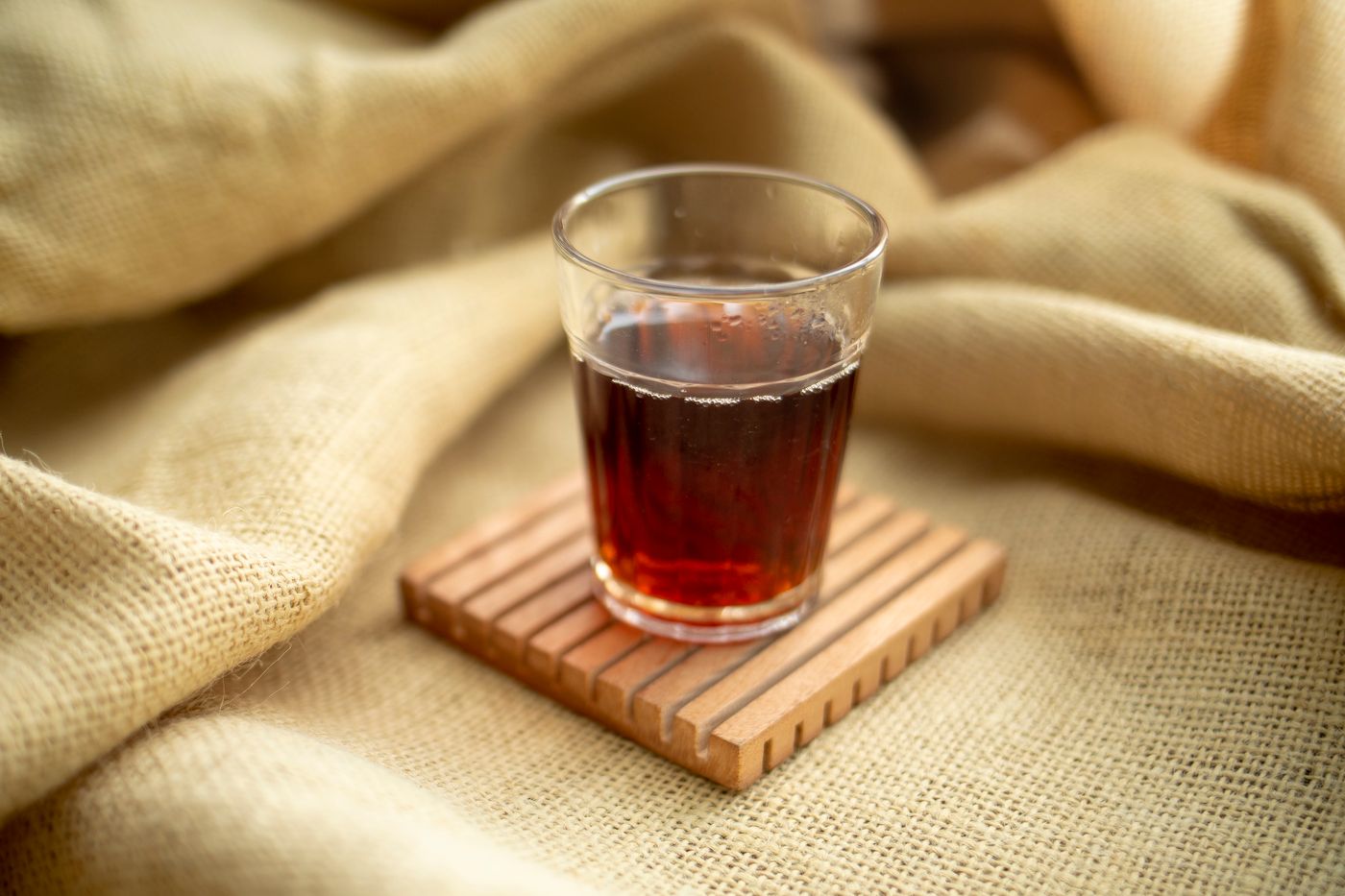
Representative Teas From Hong Kong Tea Culture
Use Hong Kong Tea Culture as a working map for hong Kong tea culture, not as a prestige label. The useful first question is which tea actually comes from hong Kong Tea Culture, especially milk tea, cafes, and strong black tea service.
That set matters for hong Kong tea culture because Hong Kong Tea Culture requires separating service method and prepared-drink culture from loose-leaf quality, so a single origin sentence cannot stand in for processing, leaf form, roast, storage, or serving style. When someone is comparing two origins, the practical test is whether the listing names a tea family and gives enough clues to imagine silky, strong, brisk, and milk-heavy.
Treat hong Kong tea culture as credible only when representative teas from hong kong tea culture leads to a concrete tea, a cup direction, and a next comparison rather than scenery. If a listing for hong Kong tea culture only says the place is famous, wait until it also shows leaf grade, orthodox or CTC style, intended milk use, briskness, elevation or region wording, and package freshness before you buy, brew, or recommend it.
When hong Kong tea culture still sounds like a map label, bring it back to milk tea, cafes, and strong black tea service, the buying clue of leaf grade, orthodox or CTC style, intended milk use, briskness, elevation or region wording, and package freshness, and the question that Black Tea Buying can answer.
Hong Kong Tea Culture Flavor And Processing Differences
Flavor is where hong Kong tea culture stops being a map word. Look for silky, strong, brisk, and milk-heavy, then check whether the leaf form fits the tea style named on the label.
Because Hong Kong Tea Culture requires separating service method and prepared-drink culture from loose-leaf quality, hong Kong tea culture should be judged against the named processing style rather than against fame. For this section, compare a familiar daily tea and notice which one makes silky, strong, brisk, and milk-heavy clearer.
Judge the prepared drink and the base tea separately If the tea tastes harsh, flat, stale, perfumed, or muddy, do not solve that by buying a larger package. Use a small sample for hong Kong tea culture, record the water and time, and keep the origin claim provisional until the cup gives evidence.
If hong Kong tea culture conflicts with the cup, trust aroma, texture, storage note, roast, freshness, or finish before a larger order treats the origin story as proof. The hong kong tea culture flavor and processing differences buying risk in Hong Kong tea culture is paying for an origin label before storage aroma, serving temperature, and malt, briskness, dried fruit, cocoa, honey, citrus, tannin grip, dark amber color, and whether milk improves structure or only hides roughness give enough tea evidence.
If the reader is fixing a disappointing cup, this section should ask whether the listing names leaf style, storage, harvest or packing clue, brewing expectation, and a flavor anchor like silky, strong, brisk, and milk-heavy for Hong Kong tea culture. When the first conservative brew still leaves those clues absent, the safer move is a smaller sample or a tea-type comparison before a larger order for Hong Kong tea culture.
Hong Kong Tea Culture Compared With Nearby Origins
Hong Kong Tea Culture links hong Kong tea culture back to tea types because the region name is usually too broad to guide a purchase by itself. Black Tea is the next route when hong Kong tea culture raises the question of family, oxidation, roast, storage, caffeine timing, or cup weight.
Black Tea helps when hong Kong tea culture creates a more specific problem around leaf grade, orthodox or CTC style, intended milk use, briskness, elevation or region wording, and package freshness, judge the prepared drink and the base tea separately, or a gift choice that needs safer language. That matters here for hong Kong tea culture because Hong Kong Tea Culture requires separating service method and prepared-drink culture from loose-leaf quality; the map should reduce the decision instead of making the origin feel larger.
Leave this section with milk tea, cafes, and strong black tea service, silky, strong, brisk, and milk-heavy, one buying signal to verify, and one nearby guide to open if the decision is still unclear. For hong Kong tea culture, the hong kong tea culture compared with nearby origins check is whether milk tea, cafes, and strong black tea service can be tied to silky, strong, brisk, and milk-heavy, leaf grade, orthodox or CTC style, intended milk use, briskness, elevation or region wording, and package freshness, and one route the reader can open next.
In the hong kong tea culture compared with nearby origins chapter, Hong Kong tea culture only becomes useful when the reader can connect malt, briskness, dried fruit, cocoa, honey, citrus, tannin grip, dark amber color, and whether milk improves structure or only hides roughness, local processing clues, and a cup-level reason for the place. The leaf shape, steep time, and storage smell check should explain whether milk tea, cafes, and strong black tea service changes flavor or only adds romance around silky, strong, brisk, and milk-heavy for Hong Kong tea culture.
A region page should make the tea type page feel necessary, not decorative for Hong Kong tea culture.
Hong Kong Tea Culture Brewing And Teaware Fit
Brewing teas from Hong Kong Tea Culture should follow hong Kong tea culture leaf clues, not the largest claim on the package. A small teapot can be right or wrong depending on whether milk tea, cafes, and strong black tea service is delicate, roasted, compressed, scented, brisk, or meant for milk.
Start with the brewing cue for hong Kong tea culture, then adjust body, a seller note, vessel size, or steep length one at a time. Use Black Tea Brewing when hong Kong tea culture needs a method check, because silky, strong, brisk, and milk-heavy should appear without forcing bitterness, smoke, perfume, or storage notes into the foreground.
The practical brewing question is whether judge the prepared drink and the base tea separately lets Hong Kong Tea Culture show a real style difference in the cup. After hong kong tea culture brewing and teaware fit, hong Kong tea culture should leave a cup-level test by judge the prepared drink and the base tea separately, then compare the result with Black Tea.
The hong kong tea culture brewing and teaware fit buying risk in Hong Kong tea culture is paying for an origin label before dry-leaf aroma, vessel size, and malt, briskness, dried fruit, cocoa, honey, citrus, tannin grip, dark amber color, and whether milk improves structure or only hides roughness give enough tea evidence. If the reader is fixing a disappointing cup, this section should ask whether the listing names leaf style, storage, harvest or packing clue, brewing expectation, and a flavor anchor like silky, strong, brisk, and milk-heavy for Hong Kong tea culture.
When the small guest serving still leaves those clues absent, the safer move is a smaller sample or a tea-type comparison before a larger order for Hong Kong tea culture.
Hong Kong Tea Culture Label And Buying Clues
Buying hong Kong tea culture is mostly an evidence problem. For hong Kong tea culture, the strongest signals are leaf grade, orthodox or CTC style, intended milk use, briskness, elevation or region wording, and package freshness; the weakest signals are romance words, oversized claims, and origin names with no tea style attached.
When the reader is reading a shop listing for hong Kong tea culture, a safer first order is usually a small sample rather than a bargain bag with a famous place-name. If a listing mentions milk tea, cafes, and strong black tea service, check whether it explains leaf grade, orthodox or CTC style, intended milk use, briskness, elevation or region wording, and package freshness, intended brewing, and what kind of drinker the tea suits.
Use Black Tea Buying for hong Kong tea culture when price, freshness, grade, seller detail, or package size is the real uncertainty. The goal for hong Kong tea culture is not to prove Hong Kong Tea Culture is best; it is to avoid paying for a map when the cup evidence is missing.
When hong Kong tea culture still sounds like a map label, bring it back to milk tea, cafes, and strong black tea service, the buying clue of leaf grade, orthodox or CTC style, intended milk use, briskness, elevation or region wording, and package freshness, and the question that Black Tea Buying can answer.
Hong Kong Tea Culture Tea Reading Route
The next step after hong Kong tea culture should depend on the question that remains. For hong Kong tea culture, open Black Tea if the tea family is unclear, test Black Tea Brewing if the first cup went wrong, and use Black Tea Buying if a product page feels vague.
This final route matters for hong Kong tea culture because Hong Kong Tea Culture requires separating service method and prepared-drink culture from loose-leaf quality; otherwise the origin can be interesting to read but hard to use at the kettle or checkout. Keep one practical comparison in mind, such as a familiar daily tea, and judge whether it clarifies silky, strong, brisk, and milk-heavy.
Leave with a small hong Kong tea culture action that identifies the named tea, brews it conservatively, compares it with a nearby style, and rejects labels that ask the origin name to do all the work. If hong Kong tea culture conflicts with the cup, trust aroma, texture, storage note, roast, freshness, or finish before a larger order treats the origin story as proof.
The hong kong tea culture tea reading route buying risk in Hong Kong tea culture is paying for an origin label before body, water temperature, and malt, briskness, dried fruit, cocoa, honey, citrus, tannin grip, dark amber color, and whether milk improves structure or only hides roughness give enough tea evidence. If the reader is fixing a disappointing cup, this section should ask whether the listing names leaf style, storage, harvest or packing clue, brewing expectation, and a flavor anchor like silky, strong, brisk, and milk-heavy for Hong Kong tea culture.
When the second infusion still leaves those clues absent, the safer move is a smaller sample or a tea-type comparison before a larger order for Hong Kong tea culture.
Origin Map
Find what teas Hong Kong tea culture is associated with and what those teas usually taste like.
A region map for Hong Kong tea culture: representative teas, flavor range, buying clues, brewing fit, and links back to tea type and method pages. For Hong Kong tea culture, the reader leaves with silky, strong, brisk, and milk-heavy, judge the prepared drink and the base tea separately, and one check they can repeat.
judge the prepared drink and the base tea separately
For hong Kong tea culture, use the origin name to ask which representative teas, processing clues, freshness signals, and buying evidence are visible; it cannot certify a seller, farm, grade, or identical cup quality.
Origin Reading Aid
Hong Kong Tea Culture Origin Map
Use this to connect Hong Kong tea culture to representative teas, flavor expectations, and the next page to read.
| Situation | Read | Move |
|---|---|---|
| Representative teas | For hong Kong tea culture, name concrete teas before making a taste claim: milk tea, cafes, and strong black tea service. The Hong Kong Tea Culture map is useful only when those teas show Hong Kong Tea Culture requires separating service method and prepared-drink culture from loose-leaf quality in the cup. | Start hong Kong tea culture with Black Tea; it connects the place to a real tea family before the page asks the reader to compare producers or prices. |
| Taste clue | For hong Kong tea culture, use a sensory anchor such as silky, strong, brisk, and milk-heavy; if the page cannot name aroma, body, roast, freshness, storage, or serving habit, it is too vague. | Use Black Tea Brewing for hong Kong tea culture to test judge the prepared drink and the base tea separately with water, time, and vessel instead of trusting the place name alone. |
| Buying clue | Hong Kong tea culture becomes useful at checkout only when the buyer can inspect leaf grade, orthodox or CTC style, intended milk use, briskness, elevation or region wording, and package freshness. | Use Black Tea Buying before ordering hong Kong tea culture because Hong Kong Tea Culture requires separating service method and prepared-drink culture from loose-leaf quality, and that distinction is hard to fix after a large purchase. |
Field note
Keep Hong Kong Tea Culture close to the cup
Hong Kong Tea Culture is strongest when it helps you choose, brew, taste, buy, or serve one real cup. Use Hong Kong Tea Culture as a decision aid, then let silky, strong, brisk, and milk-heavy, freshness, comfort, and the judge the prepared drink and the base tea separately cue decide the next move.
Place-To-Cup Decisions
Representative Teas First
Hong Kong tea culture becomes useful only after the place name turns into named teas. Start with milk tea, cafes, and strong black tea service, then ask whether the tea is green, black, oolong, pu-erh, matcha, herbal, scented, compressed, or served as a prepared drink. That first sorting step keeps Hong Kong Tea Culture from becoming travel copy. Hong Kong Tea Culture can be culturally interesting and still too broad for checkout until it names the tea style and cup direction. Hong Kong Tea Culture should name teas before scenery. Check representative leaf styles, origin wording, processing method, roast or oxidation, storage aroma, freshness, water temperature, vessel choice, and a sample label that can produce malt, briskness, dried fruit, cocoa, honey, citrus, tannin grip, dark amber color, and whether milk improves structure or only hides roughness for Hong Kong Tea Culture.
Why The Cup Can Differ Nearby
Treat Hong Kong Tea Culture as a map, not a guarantee. Hong Kong Tea Culture requires separating service method and prepared-drink culture from loose-leaf quality. In the cup, that difference may show as silky, strong, brisk, and milk-heavy, but it can also depend on harvest timing, roast, leaf grade, scenting, storage, milk use, or vessel choice. A fair first read compares hong Kong tea culture with one neighboring origin or tea family before deciding whether the place itself explains the taste. For Hong Kong Tea Culture, the reader needs a cup-level map: named tea style, leaf form, aroma, body, finish, harvest or packing clue, package size, brewing water, steep time, and whether the origin claim survives a small sample.
First Brew And Vessel
Brewing hong Kong tea culture should follow the named tea, not the largest origin claim. For hong Kong tea culture, start by judge the prepared drink and the base tea separately and choose a vessel that suits the leaf form: glass for delicate greens, a porcelain gaiwan for many oolongs, a mug for brisk black tea, or a small pot for darker styles. If silky, strong, brisk, and milk-heavy disappears, test water heat, time, and leaf amount before blaming the origin. A stronger Hong Kong Tea Culture route compares nearby regions through leaf style, roast, scenting, compression, storage, aroma, liquor body, finish, and the buying label rather than asking milk tea, cafes, and strong black tea service to carry the whole explanation.
Buying Clue And Next Route
The checkout clue for hong Kong tea culture is leaf grade, orthodox or CTC style, intended milk use, briskness, elevation or region wording, and package freshness. When that clue is missing for hong Kong tea culture, the safer move is a small sample or a clearer seller note, not a bigger order. Open Black Tea if the tea family is still unclear, Black Tea Brewing if the first cup failed, and Black Tea Buying if the question has become price, freshness, grade, package size, or label trust for Hong Kong Tea Culture.
Read The Place
- Start hong Kong tea culture by naming the representative teas: milk tea, cafes, and strong black tea service.
- Taste hong Kong tea culture for silky, strong, brisk, and milk-heavy, then decide whether the cup supports the origin wording.
- Brew hong Kong tea culture with this first cue: judge the prepared drink and the base tea separately.
- Check hong Kong tea culture buying evidence through leaf grade, orthodox or CTC style, intended milk use, briskness, elevation or region wording, and package freshness.
- Finish hong Kong tea culture by opening Black Tea, Black Tea Brewing, or Black Tea Buying for the next decision.
Mistakes worth avoiding
Buying hong Kong tea culture because the place name sounds famous before checking leaf grade, orthodox or CTC style, intended milk use, briskness, elevation or region wording, and package freshness.
Brewing every hong Kong tea culture sample the same way even when milk tea, cafes, and strong black tea service points to different processing styles.
Treating hong Kong tea culture as proof of seller quality instead of checking aroma, storage, freshness, leaf form, and cup evidence.
Ignoring the next route after hong Kong tea culture; Black Tea, Black Tea Brewing, and Black Tea Buying answer different questions.
Origin Questions
What quality claim should hong Kong tea culture leave unproved when the cup only shows silky, strong?
A hong Kong tea culture label does not certify a seller, farm, grade, health effect, or identical cup quality. The hong Kong tea culture page only gives a map for milk tea, cafes, and strong black tea service, taste expectations, brewing fit, and buying questions.
Which next route fits hong Kong tea culture after a silky, strong cup: Black Tea, Black Tea Brewing, or Black Tea Buying?
After hong Kong tea culture, use Black Tea for tea-family context, Black Tea Brewing for water and timing, or Black Tea Buying when the next decision is checkout.
Which milk tea, cafes clue matters most before buying hong Kong tea culture for a silky, strong cup?
For hong Kong tea culture, start with milk tea, cafes, and strong black tea service. The hong Kong tea culture list matters because it tells the reader which tea family or service habit is actually being judged.
How should hong Kong tea culture show silky, strong without relying on the label?
In hong Kong tea culture, silky, strong, brisk, and milk-heavy should appear only when the leaf, processing, storage, and brew support that claim. If the hong Kong tea culture cup does not show those signs, treat the origin language as a clue rather than proof.
Which leaf grade signal should I check in hong Kong tea culture?
Before buying hong Kong tea culture, inspect leaf grade, orthodox or CTC style, intended milk use, briskness, elevation or region wording, and package freshness. A hong Kong tea culture sample with a clear label is safer than a large purchase built around a romantic origin sentence.
References
The notes below connect place, representative teas, production context, and buying language so the region does not become vague travel copy.
Used here for global origin context in Hong Kong tea culture, especially when a country, province, or region page needs production and market framing before it can discuss taste or buying language.
Tea Board IndiaTea Board IndiaUsed here for black-tea and origin specificity in Hong Kong tea culture, especially Assam, Darjeeling, regional naming, and buyer language around Indian tea styles.
Tea Board of KenyaTea Board of KenyaUsed here for everyday black-tea context in Hong Kong tea culture, especially bold breakfast, office, value, and production-language cues outside a single brewing article.
UNESCO Intangible Cultural HeritageTraditional tea processing techniques and associated social practices in ChinaUsed here for the cultural-practice frame in Hong Kong tea culture, so tools, serving order, and regional references are treated as social practice rather than decoration.
Victoria and Albert MuseumTeapots Through TimeUsed here for teaware and service context in Hong Kong tea culture, especially why cups, pots, and small vessels change how a tea session is understood.
What these references support
- Food and Agriculture Organization of the United Nationsorigin and tea-market context that keeps regional language informative without turning place into automatic quality proof
Hong kong tea culture uses origin terms to clarify production context and market language.
- Tea Board Indiaorigin and tea-market context that keeps regional language informative without turning place into automatic quality proof
Hong kong tea culture uses origin terms to clarify production context and market language.
- Tea Board of Kenyaorigin and tea-market context that keeps regional language informative without turning place into automatic quality proof
Hong kong tea culture uses origin terms to clarify production context and market language.
- UNESCO Intangible Cultural Heritagecultural and teaware context that explains hong kong tea culture through objects, setting, and social use
Hong kong tea culture treats tea practice as social, material, regional, and tied to serving context.