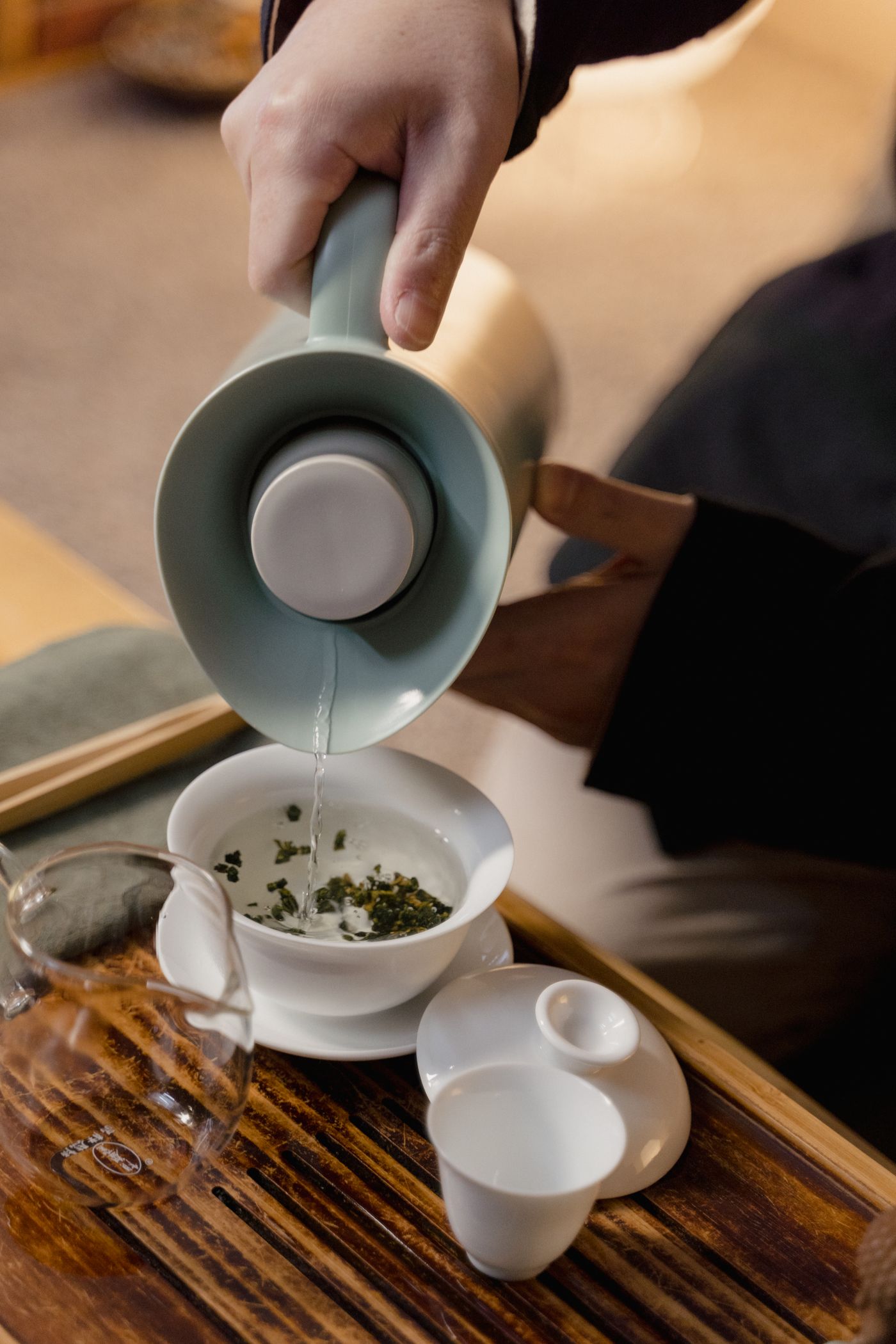
What Makes Hojicha Distinct
Hojicha should start with what changed the leaf. For Hojicha, steamed, pan-fired, roasted, scented, shaded, flat-leaf, needle-like, and everyday broken-leaf styles can all sit inside the same family, so the opening question is not whether Hojicha is good; it is which version of the family the reader is likely to enjoy.
This is also where Hojicha should connect origin, processing, and drinking use. A buyer can misread Hojicha by chasing a famous name, a roast level, a harvest word, or a caffeine reputation without checking fresh grass, chestnut, seaweed, sweet corn, citrus peel, spring flowers, pale liquor, quick bitterness, and a drying finish when water is too hot.
Keep Hojicha tied to a small sample, a repeatable brew, and a food pairing guide when the unresolved question belongs outside the tea-type overview. Hojicha needs more than a family definition here.
The reader should see how steamed, pan-fired, roasted, scented, shaded, flat-leaf, needle-like, and everyday broken-leaf styles changes the cup, why storage aroma and sample size matter, and which version of Hojicha fits sharing tea with a friend. If roasted, woody, caramel-like, and gentle does not appear after a second infusion, the section should point toward a neighboring style rather than asking the reader to trust the category name for Hojicha.
This is also where Hojicha should connect origin, processing, and drinking use. A buyer can misread Hojicha by chasing a famous name, a roast level, a harvest word, or a caffeine reputation without checking fresh grass, chestnut, seaweed, sweet corn, citrus peel, spring flowers, pale liquor, quick bitterness, and a drying finish when water is too hot.
Keep Hojicha tied to a small sample, a repeatable brew, and a comparison page when the unresolved question belongs outside the tea-type overview.
Hojicha Origin And Style Range
In the cup, Hojicha should be judged by fresh grass, chestnut, seaweed, sweet corn, citrus peel, spring flowers, pale liquor, quick bitterness, and a drying finish when water is too hot. Use body early, then let aroma, body, finish, and bitterness risk decide whether the tea suits the moment.
A roasted, woody, caramel-like, and gentle target gives the category a sensory job instead of leaving the reader with color words alone. Hojicha needs more than a family definition here.
The reader should see how steamed, pan-fired, roasted, scented, shaded, flat-leaf, needle-like, and everyday broken-leaf styles changes the cup, why storage aroma and serving temperature matter, and which version of Hojicha fits fixing a disappointing cup. If roasted, woody, caramel-like, and gentle does not appear after a first conservative brew, the section should point toward a neighboring style rather than asking the reader to trust the category name for Hojicha.
This is also where Hojicha should connect origin, processing, and drinking use. A buyer can misread Hojicha by chasing a famous name, a roast level, a harvest word, or a caffeine reputation without checking fresh grass, chestnut, seaweed, sweet corn, citrus peel, spring flowers, pale liquor, quick bitterness, and a drying finish when water is too hot.
Keep Hojicha tied to a small sample, a repeatable brew, and a storage guide when the unresolved question belongs outside the tea-type overview. Hojicha needs more than a family definition here.
The reader should see how steamed, pan-fired, roasted, scented, shaded, flat-leaf, needle-like, and everyday broken-leaf styles changes the cup, why dry-leaf aroma and steep time matter, and which version of Hojicha fits deciding whether a label is credible. If roasted, woody, caramel-like, and gentle does not appear after a label check, the section should point toward a neighboring style rather than asking the reader to trust the category name for Hojicha.
Hojicha Flavor, Body, And Caffeine Feel
The brewing baseline for Hojicha is hotter water than many greens because roast softens the sharp edge. For Hojicha, cooler water, shorter steeps, clean storage, and enough leaf to give aroma without dragging bitterness forward.
If the first cup turns harsh, test cleaner storage; if it feels thin, add leaf or use a smaller vessel before dragging the steep longer. For a roasted, woody, caramel-like, and gentle cup, the method should make the next attempt clearer, not stricter.
This is also where Hojicha should connect origin, processing, and drinking use. A buyer can misread Hojicha by chasing a famous name, a roast level, a harvest word, or a caffeine reputation without checking fresh grass, chestnut, seaweed, sweet corn, citrus peel, spring flowers, pale liquor, quick bitterness, and a drying finish when water is too hot.
Keep Hojicha tied to a small sample, a repeatable brew, and a tea type page when the unresolved question belongs outside the tea-type overview. Hojicha needs more than a family definition here.
The reader should see how steamed, pan-fired, roasted, scented, shaded, flat-leaf, needle-like, and everyday broken-leaf styles changes the cup, why dry-leaf aroma and leaf amount matter, and which version of Hojicha fits sharing tea with a friend. If roasted, woody, caramel-like, and gentle does not appear after a cooling taste test, the section should point toward a neighboring style rather than asking the reader to trust the category name for Hojicha.
Hojicha Brewing And Teaware Fit
Hojicha fails through describing the tea family as prestige trivia instead of showing when it fits a real cup. With a roasted, woody, caramel-like, and gentle target, this can happen when a buyer expects one taste from a tea family with many styles, or when caffeine timing, roast, storage, and water are ignored.
For Hojicha decisions, hojicha tea is caffeinated, so it may not suit late evenings, pregnancy concerns, anxiety, insomnia, or medication questions for every reader; judge Hojicha by serving size, steep strength, and timing before making it a daily routine. For Hojicha, the warning sign is a cup that misses its own routine even after a fair brew.
Hojicha needs more than a family definition here. The reader should see how steamed, pan-fired, roasted, scented, shaded, flat-leaf, needle-like, and everyday broken-leaf styles changes the cup, why dry-leaf aroma and vessel size matter, and which version of Hojicha fits fixing a disappointing cup.
If roasted, woody, caramel-like, and gentle does not appear after a small guest serving, the section should point toward a neighboring style rather than asking the reader to trust the category name for Hojicha. This is also where Hojicha should connect origin, processing, and drinking use.
A buyer can misread Hojicha by chasing a famous name, a roast level, a harvest word, or a caffeine reputation without checking fresh grass, chestnut, seaweed, sweet corn, citrus peel, spring flowers, pale liquor, quick bitterness, and a drying finish when water is too hot. Keep Hojicha tied to a small sample, a repeatable brew, and a comparison page when the unresolved question belongs outside the tea-type overview.
Hojicha Buying And Storage Checks
Buying Hojicha should begin with a small sample and a label that names style, processing, origin or blend logic, freshness, and intended brewing. The trap for Hojicha is buying a large vague bag that promises freshness but gives no harvest, packing, storage, or leaf-condition clue.
If the seller hides those details for a roasted, woody, caramel-like, and gentle cup, compare a nearby tea family before spending more. This is also where Hojicha should connect origin, processing, and drinking use.
A buyer can misread Hojicha by chasing a famous name, a roast level, a harvest word, or a caffeine reputation without checking fresh grass, chestnut, seaweed, sweet corn, citrus peel, spring flowers, pale liquor, quick bitterness, and a drying finish when water is too hot. Keep Hojicha tied to a small sample, a repeatable brew, and a storage guide when the unresolved question belongs outside the tea-type overview.
Hojicha needs more than a family definition here. The reader should see how steamed, pan-fired, roasted, scented, shaded, flat-leaf, needle-like, and everyday broken-leaf styles changes the cup, why body and serving temperature matter, and which version of Hojicha fits sharing tea with a friend.
If roasted, woody, caramel-like, and gentle does not appear after a storage smell check, the section should point toward a neighboring style rather than asking the reader to trust the category name for Hojicha. This is also where Hojicha should connect origin, processing, and drinking use.
A buyer can misread Hojicha by chasing a famous name, a roast level, a harvest word, or a caffeine reputation without checking fresh grass, chestnut, seaweed, sweet corn, citrus peel, spring flowers, pale liquor, quick bitterness, and a drying finish when water is too hot. Keep Hojicha tied to a small sample, a repeatable brew, and a culture guide when the unresolved question belongs outside the tea-type overview.
Hojicha Scene And Comparison Paths
The next cup after Hojicha should test a neighbor, not repeat the same guess. Move lighter, darker, cooler, roasted, powdered, aged, or herbal depending on whether roasted, woody, caramel-like, and gentle felt too sharp, too faint, too heavy, or too fussy.
Brew a small sample of Hojicha, then compare the cup with a buying checklist before ordering more. Hojicha needs more than a family definition here.
The reader should see how steamed, pan-fired, roasted, scented, shaded, flat-leaf, needle-like, and everyday broken-leaf styles changes the cup, why body and water temperature matter, and which version of Hojicha fits fixing a disappointing cup. If roasted, woody, caramel-like, and gentle does not appear after a second infusion, the section should point toward a neighboring style rather than asking the reader to trust the category name for Hojicha.
This is also where Hojicha should connect origin, processing, and drinking use. A buyer can misread Hojicha by chasing a famous name, a roast level, a harvest word, or a caffeine reputation without checking fresh grass, chestnut, seaweed, sweet corn, citrus peel, spring flowers, pale liquor, quick bitterness, and a drying finish when water is too hot.
Keep Hojicha tied to a small sample, a repeatable brew, and a buying checklist when the unresolved question belongs outside the tea-type overview. Hojicha needs more than a family definition here.
The reader should see how steamed, pan-fired, roasted, scented, shaded, flat-leaf, needle-like, and everyday broken-leaf styles changes the cup, why aftertaste and leaf amount matter, and which version of Hojicha fits deciding whether a label is credible. If roasted, woody, caramel-like, and gentle does not appear after a first conservative brew, the section should point toward a neighboring style rather than asking the reader to trust the category name for Hojicha.
Fit Check
Understand Hojicha as a named tea style, not just a broad tea category.
A tea dossier for Hojicha: flavor range, caffeine boundary, first-cup brew, buying signal, and when this tea family is the wrong fit.
hotter water than many greens because roast softens the sharp edge
For Hojicha decisions, hojicha tea is caffeinated, so it may not suit late evenings, pregnancy concerns, anxiety, insomnia, or medication questions for every reader; judge Hojicha by serving size, steep strength, and timing before making it a daily routine.
Tea-Type Decision Aid
Hojicha Decision Table
Use this to compare Hojicha before buying more than a sample.
| Situation | Read | Move |
|---|---|---|
| Taste | Hojicha flavor target: roasted, woody, caramel-like, and gentle. | Let Hojicha win on the cup: aroma, body, aftertaste, and how the flavor fits the next serving moment. |
| Brew | Hojicha brewing cue: hotter water than many greens because roast softens the sharp edge. | For Hojicha, start with a repeatable baseline so the next adjustment teaches something. |
| Buy | For Hojicha, check dry leaf appearance, aroma, liquor color, bitterness risk, price signal, and whether the tea tolerates milk or re-steeping. | For Hojicha, prefer small samples until the cup-level evidence is clear. |
Field note
Keep Hojicha close to the cup
Hojicha is strongest when it helps you choose, brew, taste, buy, or serve one real cup. Use Hojicha as a decision aid, then let roasted, woody, caramel-like, and gentle, freshness, comfort, and the hotter water than many greens because roast softens the sharp edge cue decide the next move.
Taste And Buying Calls
What This Tea Actually Is
Hojicha should be introduced through process and cup behavior, not a flat category label. For Hojicha, the useful range includes steamed, pan-fired, roasted, scented, shaded, flat-leaf, needle-like, and everyday broken-leaf styles, so one sample can be bright and quiet while another feels deeper, roasted, brisk, or creamy. For Hojicha, start by asking what changed the leaf before it reached the cup: oxidation, steaming or firing, roasting, rolling, shading, scenting, compression, or storage. That first roasted, woody, caramel-like, and gentle distinction explains more than the tea color alone. Hojicha needs style evidence. Look for leaf shape, oxidation or roast, origin language, aroma, body, finish, water temperature, steep length, vessel fit, storage condition, and whether a small sample shows fresh grass, chestnut, seaweed, sweet corn, citrus peel, spring flowers, pale liquor, quick bitterness, and a drying finish when water is too hot for Hojicha.
Origin And Style Range
The origin question for Hojicha matters when it points to an actual style. For Hojicha, chinese pan-fired greens, Japanese steamed greens, Korean greens, Vietnamese greens, jasmine-scented green tea, and delicate early-spring styles can all sit under the green-tea name. A reader choosing Hojicha should look for a named style, freshness or storage clue, and a flavor promise that matches fresh grass, chestnut, seaweed, sweet corn, citrus peel, spring flowers, pale liquor, quick bitterness, and a drying finish when water is too hot. If the listing for Hojicha only says the tea is famous, premium, ancient, or traditional, the next move is to find a smaller sample with clearer processing language before buying a larger bag.
Brewing And Teaware Fit
Hojicha usually shows itself best when the vessel matches the leaf. For Hojicha, a glass cup, porcelain mug, small gaiwan, or simple pot works when heat is gentle and the leaf has room to open. Use this first brew as the baseline: hotter water than many greens because roast softens the sharp edge. If Hojicha turns bitter, thin, flat, or perfumed, change heat, time, leaf amount, or vessel size one at a time. That makes the next cup teach something about Hojicha instead of turning the whole tea family into a guess.
When To Buy Or Skip It
Hojicha is worth buying when the sample gives enough aroma, body, finish, and brewing forgiveness to fit a real routine. The buying trap for Hojicha is buying a large vague bag that promises freshness but gives no harvest, packing, storage, or leaf-condition clue. Skip the large package when the style range is unclear, caffeine timing is uncomfortable, or the flavor target roasted, woody, caramel-like, and gentle does not match the moment. A better next step for Hojicha is to compare this tea with a nearby family before deciding it belongs on the shelf.
Taste It Once
- Start with the actual choice: Understand Hojicha as a named tea style, not just a broad tea category
- Let Hojicha lean toward roasted, woody, caramel-like, and gentle, but judge it by the setting, serving effort, and the next cup you would repeat.
- Set up Hojicha with one controlled baseline: hotter water than many greens because roast softens the sharp edge.
- Taste Hojicha before adding sugar, milk, lemon, ice, or another variable that could hide the real problem.
- Finish with one next move: Brew a small sample of Hojicha, then compare the cup with a buying checklist before ordering more.
Mistakes worth avoiding
Using the hottest water for Hojicha before checking whether the leaf needs a softer start.
Treating caffeine in Hojicha as a fixed number instead of a range shaped by leaf, time, and serving size.
For Hojicha, do not skip a tea dossier for Hojicha covering flavor range, caffeine boundary, first-cup brew, buying signal, and when this tea family is the wrong fit; that is the part that turns the page from background reading into a next action.
With Hojicha, watch for this failure mode: describing the tea family as prestige trivia instead of showing when it fits a real cup.
Tea-Type Questions
Which food or milk habit changes Hojicha?
For Hojicha, Hojicha usually disappoints when describing the tea family as prestige trivia instead of showing when it fits a real cup. Also watch for Hojicha problems such as overheated water, stale leaves, vague origin language, oversized packages, or a pairing that feels heavier than the tea.
How does storage affect Hojicha?
For Hojicha decisions, hojicha tea is caffeinated, so it may not suit late evenings, pregnancy concerns, anxiety, insomnia, or medication questions for every reader; judge Hojicha by serving size, steep strength, and timing before making it a daily routine. Keep Hojicha useful for taste and timing, and treat personal caffeine tolerance as a separate decision. For Hojicha, category pages can discuss taste and general caffeine caution, not personal medical suitability.
What sample size makes sense for Hojicha?
For Hojicha, brew a small sample of Hojicha, then compare the cup with a buying checklist before ordering more. After that, match the follow-up to the reader's problem: Hojicha taste calls for a tea-type page, brewing calls for the timer, buying calls for a checklist, and personal suitability questions belong outside a general tea guide.
Who is Hojicha best for?
Hojicha should answer one practical decision first: Understand Hojicha as a named tea style, not just a broad tea category. For Hojicha, start with Hojicha, expect roasted, woody, caramel-like, and gentle, and brew the first test this way: hotter water than many greens because roast softens the sharp edge. The Hojicha takeaway is the cup change the reader can repeat.
Which flavor clues matter most in Hojicha?
For Hojicha, Hojicha works when flavor weight, oxidation or processing style, caffeine expectations, brewing forgiveness, and buying risk match the reader's situation. Check dry leaf appearance, aroma, liquor color, bitterness risk, price signal, and whether the tea tolerates milk or re-steeping; if those Hojicha checks conflict, choose the smaller sample, gentler brew, or clearer label.
References
The notes below explain which definition, brewing, caffeine, or buying judgment each reference anchors.
Used here for green-tea and matcha specificity in Hojicha, especially where processing, Japanese tea language, or delicate-leaf handling needs a narrower source than a general tea overview.
National Center for Complementary and Integrative HealthGreen Tea: Usefulness and SafetyUsed here for the green-tea and matcha safety boundary in Hojicha, including the difference between brewed tea and concentrated extract claims.
Tea and Herbal Association of CanadaAll About CaffeineUsed here for tea-specific caffeine context in Hojicha, so caffeine timing is explained through brewed tea habits rather than a generic food warning.
What these references support
- World Green Tea Associationtea-family, processing, sensory, or variety context that grounds hojicha in observable cup and label clues
Hojicha uses tea family and variety names as processing, flavor, and preparation clues.
- National Center for Complementary and Integrative Healthcaffeine, wellness-boundary, and uncertainty context that keeps hojicha from making personal health promises
Hojicha uses caffeine language as a range because serving size, leaf form, preparation, and sensitivity change the result.
- Tea and Herbal Association of Canadacaffeine, wellness-boundary, and uncertainty context that keeps hojicha from making personal health promises
Hojicha uses caffeine language as a range because serving size, leaf form, preparation, and sensitivity change the result.