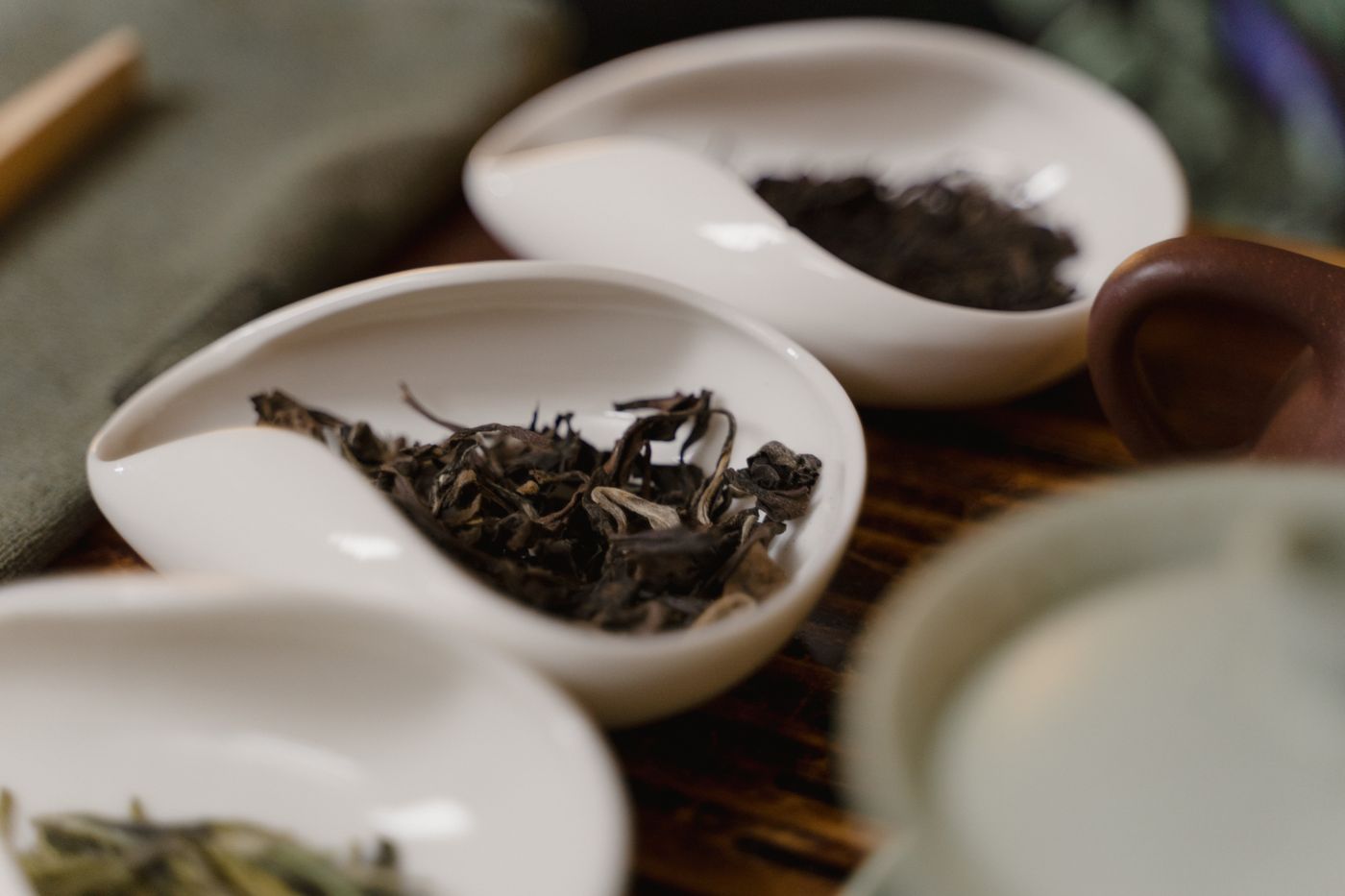
Caffeine, Flavor, Brewing, and Food Pairing Profile Table
Start with white tea taste before treating the category as simply light. The useful test is whether the cup gives hay, honey, melon, cucumber, pale fruit, soft florals, gentle sweetness, or a silky texture under fair brewing.
White tea does have caffeine because it is made from tea leaves, but the cup can feel softer than stronger black or green styles. Use gentle water, enough leaf, clean storage, and a second infusion before deciding whether the tea is subtle, stale, under-leafed, or just too quiet for your routine.
A reader who searches what does white tea taste like should not get a vague answer like delicate; the page should name the quiet flavors and the checks that make them visible. A reader who searches does white tea have caffeine should leave knowing to use the cup as caffeinated while still judging strength by serving size and steeping.
The second infusion matters because fresh white tea should keep some aroma, sweetness, or texture after the first cup. If that disappears, the issue may be weak leaf amount, stale storage, strong kitchen odors, or a tea that does not fit the reader's taste.
Keep the tasting path small and fair: smell the dry leaf, use enough leaf for the mug, avoid aggressive heat, and let the cup cool slightly before judging sweetness. If the first steep tastes faint, try one careful adjustment before changing tea families.
What Makes White Tea Distinct
White tea should start with what changed the leaf. For white tea, bud-heavy, leaf-and-bud, sun-withered, lightly dried, aged, compressed, floral, hay-like, honeyed, and soft dried-fruit styles can all sit inside the same family, so the opening question is not whether white tea is good; it is which version of the family the reader is likely to enjoy.
White tea needs more than a family definition here. The reader should see how bud-heavy, leaf-and-bud, sun-withered, lightly dried, aged, compressed, floral, hay-like, honeyed, and soft dried-fruit styles changes the cup, why leaf shape and serving temperature matter, and which version of white tea fits deciding whether a label is credible.
If soft, hay-like, honeyed, floral, and gentle does not appear after a small guest serving, the section should point toward a neighboring style rather than asking the reader to trust the category name for white tea. This is also where white tea should connect origin, processing, and drinking use.
A buyer can misread white tea by chasing a famous name, a roast level, a harvest word, or a caffeine reputation without checking hay, honey, melon, cucumber, soft florals, pale gold liquor, gentle sweetness, downy texture, and a quiet finish that disappears when stale. Keep white tea tied to a small sample, a repeatable brew, and a tea type page when the unresolved question belongs outside the tea-type overview.
White tea needs more than a family definition here. The reader should see how bud-heavy, leaf-and-bud, sun-withered, lightly dried, aged, compressed, floral, hay-like, honeyed, and soft dried-fruit styles changes the cup, why liquor color and steep time matter, and which version of white tea fits brewing one cup before work.
If soft, hay-like, honeyed, floral, and gentle does not appear after a side-by-side cup, the section should point toward a neighboring style rather than asking the reader to trust the category name for white tea.
White Tea Origin And Style Range
In the cup, white tea should be judged by hay, honey, melon, cucumber, soft florals, pale gold liquor, gentle sweetness, downy texture, and a quiet finish that disappears when stale. Use aftertaste early, then let aroma, body, finish, and bitterness risk decide whether the tea suits the moment.
A soft, hay-like, honeyed, floral, and gentle target gives the category a sensory job instead of leaving the reader with color words alone. This is also where white tea should connect origin, processing, and drinking use.
A buyer can misread white tea by chasing a famous name, a roast level, a harvest word, or a caffeine reputation without checking hay, honey, melon, cucumber, soft florals, pale gold liquor, gentle sweetness, downy texture, and a quiet finish that disappears when stale. Keep white tea tied to a small sample, a repeatable brew, and a food pairing guide when the unresolved question belongs outside the tea-type overview.
White tea needs more than a family definition here. The reader should see how bud-heavy, leaf-and-bud, sun-withered, lightly dried, aged, compressed, floral, hay-like, honeyed, and soft dried-fruit styles changes the cup, why liquor color and leaf amount matter, and which version of white tea fits standing in front of a shelf.
If soft, hay-like, honeyed, floral, and gentle does not appear after a storage smell check, the section should point toward a neighboring style rather than asking the reader to trust the category name for white tea.
White Tea Flavor, Body, And Caffeine Feel
The brewing baseline for white tea is 185-195 F water and longer gentle steeps rather than aggressive heat for a first white tea sample. For white tea, gentle water, enough leaf, patient tasting, and storage away from kitchen odor before judging the tea as too faint.
If the first cup turns harsh, test cooler water; if it feels thin, add leaf or use a smaller vessel before dragging the steep longer. For a soft, hay-like, honeyed, floral, and gentle cup, the method should make the next attempt clearer, not stricter.
White tea needs more than a family definition here. The reader should see how bud-heavy, leaf-and-bud, sun-withered, lightly dried, aged, compressed, floral, hay-like, honeyed, and soft dried-fruit styles changes the cup, why liquor color and vessel size matter, and which version of white tea fits deciding whether a label is credible.
If soft, hay-like, honeyed, floral, and gentle does not appear after a second infusion, the section should point toward a neighboring style rather than asking the reader to trust the category name for white tea. This is also where white tea should connect origin, processing, and drinking use.
A buyer can misread white tea by chasing a famous name, a roast level, a harvest word, or a caffeine reputation without checking hay, honey, melon, cucumber, soft florals, pale gold liquor, gentle sweetness, downy texture, and a quiet finish that disappears when stale. Keep white tea tied to a small sample, a repeatable brew, and a storage guide when the unresolved question belongs outside the tea-type overview.
White Tea Brewing And Teaware Fit
White tea fails through describing the tea family as prestige trivia instead of showing when it fits a real cup. With a soft, hay-like, honeyed, floral, and gentle target, this can happen when a buyer expects one taste from a tea family with many styles, or when caffeine timing, roast, storage, and water are ignored.
For white tea decisions, white tea is caffeinated, so it may not suit late evenings, late-day caffeine sensitivity for some readers; judge white tea by serving size, steep strength, and timing before making it a daily routine. For white tea, the warning sign is a cup that misses its own routine even after a fair brew.
This is also where white tea should connect origin, processing, and drinking use. A buyer can misread white tea by chasing a famous name, a roast level, a harvest word, or a caffeine reputation without checking hay, honey, melon, cucumber, soft florals, pale gold liquor, gentle sweetness, downy texture, and a quiet finish that disappears when stale.
Keep white tea tied to a small sample, a repeatable brew, and a tea type page when the unresolved question belongs outside the tea-type overview. White tea needs more than a family definition here.
The reader should see how bud-heavy, leaf-and-bud, sun-withered, lightly dried, aged, compressed, floral, hay-like, honeyed, and soft dried-fruit styles changes the cup, why finish and serving temperature matter, and which version of white tea fits standing in front of a shelf. If soft, hay-like, honeyed, floral, and gentle does not appear after a label check, the section should point toward a neighboring style rather than asking the reader to trust the category name for white tea.
White Tea Buying And Storage Checks
Buying white tea should begin with a small sample and a label that names style, processing, origin or blend logic, freshness, and intended brewing. The trap for white tea is mistaking subtlety for emptiness after using too little leaf or buying leaves that absorbed odor.
If the seller hides those details for a soft, hay-like, honeyed, floral, and gentle cup, compare a nearby tea family before spending more. White tea needs more than a family definition here.
The reader should see how bud-heavy, leaf-and-bud, sun-withered, lightly dried, aged, compressed, floral, hay-like, honeyed, and soft dried-fruit styles changes the cup, why finish and water temperature matter, and which version of white tea fits deciding whether a label is credible. If soft, hay-like, honeyed, floral, and gentle does not appear after a cooling taste test, the section should point toward a neighboring style rather than asking the reader to trust the category name for white tea.
This is also where white tea should connect origin, processing, and drinking use. A buyer can misread white tea by chasing a famous name, a roast level, a harvest word, or a caffeine reputation without checking hay, honey, melon, cucumber, soft florals, pale gold liquor, gentle sweetness, downy texture, and a quiet finish that disappears when stale.
Keep white tea tied to a small sample, a repeatable brew, and a comparison page when the unresolved question belongs outside the tea-type overview.
White Tea Scene And Comparison Paths
The next cup after white tea should test a neighbor, not repeat the same guess. Move lighter, darker, cooler, roasted, powdered, aged, or herbal depending on whether soft, hay-like, honeyed, floral, and gentle felt too sharp, too faint, too heavy, or too fussy.
Brew a small sample of white tea, then compare the cup with a buying checklist before ordering more. This is also where white tea should connect origin, processing, and drinking use.
A buyer can misread white tea by chasing a famous name, a roast level, a harvest word, or a caffeine reputation without checking hay, honey, melon, cucumber, soft florals, pale gold liquor, gentle sweetness, downy texture, and a quiet finish that disappears when stale. Keep white tea tied to a small sample, a repeatable brew, and a storage guide when the unresolved question belongs outside the tea-type overview.
White tea needs more than a family definition here. The reader should see how bud-heavy, leaf-and-bud, sun-withered, lightly dried, aged, compressed, floral, hay-like, honeyed, and soft dried-fruit styles changes the cup, why storage aroma and vessel size matter, and which version of white tea fits standing in front of a shelf.
If soft, hay-like, honeyed, floral, and gentle does not appear after a side-by-side cup, the section should point toward a neighboring style rather than asking the reader to trust the category name for white tea. This is also where white tea should connect origin, processing, and drinking use.
A buyer can misread white tea by chasing a famous name, a roast level, a harvest word, or a caffeine reputation without checking hay, honey, melon, cucumber, soft florals, pale gold liquor, gentle sweetness, downy texture, and a quiet finish that disappears when stale. Keep white tea tied to a small sample, a repeatable brew, and a culture guide when the unresolved question belongs outside the tea-type overview.
Fit Check
Decide whether white tea fits your taste, caffeine timing, and brewing patience.
White tea taste ladder with caffeine timing, gentle brewing, odor, and second-infusion checks.
185-195 F water and longer gentle steeps rather than aggressive heat for a first white tea sample
White tea is a caffeinated tea. Use timing, serving size, and your own sensitivity to decide when to drink it; this page is about taste, brewing, freshness, and storage clues, not wellness claims.
Tea-Type Decision Aid
White tea taste ladder with caffeine timing, gentle brewing, odor, and second-infusion checks.
Use the taste ladder to judge delicate flavor, caffeine timing, gentle brewing, storage odor, and whether the second infusion still feels alive.
| Situation | Read | Move |
|---|---|---|
| Caffeine timing | White tea is caffeinated true tea; cup strength changes with leaf amount, water heat, infusion time, and serving size | Taste earlier in the day if caffeine easily keeps you awake |
| Delicate taste | Fresh white tea can show hay, honey, melon, cucumber, pale fruit, soft flowers, or gentle dried-fruit sweetness | Do not call it bland until you have used enough leaf and gentle water |
| Second infusion | A good sample should keep aroma, sweetness, or soft texture into another steep | Flat second cups can point to stale leaf, weak storage, or too little leaf |
| Storage freshness | White tea absorbs odor easily, so clean packaging and neutral aroma matter more than dramatic tasting notes | Skip dusty, perfumed, or stale-smelling leaves when delicacy is the reason to buy |
White Tea Choice Table
Use this to compare white tea before buying more than a sample.
| Situation | Read | Move |
|---|---|---|
| Taste | White tea flavor target: soft, hay-like, honeyed, floral, and gentle. | Let white tea win on the cup: aroma, body, aftertaste, and how the flavor fits the next serving moment. |
| Brew | White tea brewing cue: 185-195 F water and longer gentle steeps rather than aggressive heat for a first white tea sample. | For white tea, start with a repeatable baseline so the next adjustment teaches something. |
| Buy | For white tea, check dry leaf appearance, aroma, liquor color, bitterness risk, price signal, and whether the tea tolerates milk or re-steeping. | For white tea, prefer small samples until the cup-level evidence is clear. |
Field note
Keep White Tea Taste and Caffeine close to the cup
White Tea Taste and Caffeine is strongest when it helps you choose, brew, taste, buy, or serve one real cup. Use White Tea Taste and Caffeine as a decision aid, then let soft, hay-like, honeyed, floral, and gentle, freshness, comfort, and the 185-195 F water and longer gentle steeps rather than aggressive heat for a first white tea sample cue decide the next move.
Taste And Buying Calls
Reader Situation: The Quiet Cup
For White Tea? Taste, Caffeine, Brewing, And Buying, you are not looking for a tea that announces itself like breakfast black tea or roasted oolong You want a cup that rewards a slower sip. Brew gently, keep the cup plain, and ask whether the softness feels pleasant or merely too faint for your routine. White Tea? Taste, Caffeine, Brewing, And Buying needs style evidence. Look for leaf shape, oxidation or roast, origin language, aroma, body, finish, water temperature, steep length, vessel fit, storage condition, and whether a small sample shows hay, honey, melon, cucumber, soft florals, pale gold liquor, gentle sweetness, downy texture, and a quiet finish that disappears when stale for White Tea? Taste, Caffeine, Brewing, And Buying.
Wrong Choice: Mistaking Subtle For Empty
For White Tea? Taste, Caffeine, Brewing, And Buying, avoid dismissing white tea after one under-leafed mug or a stale package The better test is a fresh small sample, clean storage, enough leaf, and a second infusion. Walk away only after the tea still gives no aroma, sweetness, or texture under fair conditions. For White Tea? Taste, Caffeine, Brewing, And Buying, the page should separate style range from buying risk: bud-heavy, leaf-and-bud, sun-withered, lightly dried, aged, compressed, floral, hay-like, honeyed, and soft dried-fruit styles for White Tea? Taste, Caffeine, Brewing, And Buying. Test dry leaf aroma, liquor body, aftertaste, caffeine timing, label clarity, package size, and whether white tea tolerates a second infusion for White Tea? Taste, Caffeine, Brewing, And Buying.
What This Tea Actually Is
For White Tea? Taste, Caffeine, Brewing, And Buying, white tea should be introduced through process and cup behavior, not a flat category label For white tea, the useful range includes bud-heavy, leaf-and-bud, sun-withered, lightly dried, aged, compressed, floral, hay-like, honeyed, and soft dried-fruit styles, so one sample can be bright and quiet while another feels deeper, roasted, brisk, or creamy. For white tea, start by asking what changed the leaf before it reached the cup: oxidation, steaming or firing, roasting, rolling, shading, scenting, compression, or storage. That first soft, hay-like, honeyed, floral, and gentle distinction explains more than the tea color alone.
Origin And Style Range
For White Tea? Taste, Caffeine, Brewing, And Buying, the origin question for white tea matters when it points to an actual style For white tea, fuding, Zhenghe, Silver Needle, Bai Mu Dan, Gong Mei, Shou Mei, aged white tea, and newer white-tea origins all need separate expectations. A reader choosing white tea should look for a named style, freshness or storage clue, and a flavor promise that matches hay, honey, melon, cucumber, soft florals, pale gold liquor, gentle sweetness, downy texture, and a quiet finish that disappears when stale. If the listing for white tea only says the tea is famous, premium, ancient, or traditional, the next move is to find a smaller sample with clearer processing language before buying a larger bag.
Taste It Once
- Start with the actual choice: Decide whether white tea fits your taste, caffeine timing, and brewing patience
- Let white tea lean toward soft, hay-like, honeyed, floral, and gentle, but judge it by the setting, serving effort, and the next cup you would repeat.
- For white tea, make the first trial repeatable with this cue: 185-195 F water and longer gentle steeps rather than aggressive heat for a first white tea sample.
- Taste white tea before adding sugar, milk, lemon, ice, or another variable that could hide the real problem.
- Finish with one next move: Brew a small sample of white tea, then compare the cup with a buying checklist before ordering more.
Mistakes worth avoiding
Using the hottest water for white tea before checking whether the leaf needs a softer start.
Treating caffeine in white tea as a fixed number instead of a range shaped by leaf, time, and serving size.
With white tea, the avoidable mistake is treating a tea dossier for white tea covering flavor range, caffeine boundary, first-cup brew, buying signal, and when this tea family is the wrong fit as decoration instead of the test that keeps the choice usable.
With white tea, watch for this failure mode: describing the tea family as prestige trivia instead of showing when it fits a real cup.
Tea-Type Questions
How should I test white tea before buying more?
For white tea, brew a small sample of white tea, then compare the cup with a buying checklist before ordering more. After that, match the follow-up to the reader's problem: white tea taste calls for a tea-type page, brewing calls for the timer, buying calls for a checklist, and personal suitability questions belong outside a general tea guide.
What does leaf appearance reveal in white tea?
White Tea should answer one practical choice first: Decide whether white tea fits your taste, caffeine timing, and brewing patience. For white tea, start with white tea, expect soft, hay-like, honeyed, floral, and gentle, and brew the first test this way: 185-195 F water and longer gentle steeps rather than aggressive heat for a first white tea sample. The white tea takeaway is the cup change the reader can repeat.
When should I skip white tea?
For white tea, white tea works when flavor weight, oxidation or processing style, caffeine expectations, brewing forgiveness, and buying risk match the reader's situation. Check dry leaf appearance, aroma, liquor color, bitterness risk, price signal, and whether the tea tolerates milk or re-steeping; if those white tea checks conflict, choose the smaller sample, gentler brew, or clearer label.
Which food or milk habit changes white tea?
For white tea, White Tea usually disappoints when describing the tea family as prestige trivia instead of showing when it fits a real cup. Also watch for white tea problems such as overheated water, stale leaves, vague origin language, oversized packages, or a pairing that feels heavier than the tea.
How does storage affect white tea?
For white tea decisions, white tea is caffeinated, so it may not suit late evenings, late-day caffeine sensitivity for some readers; judge white tea by serving size, steep strength, and timing before making it a daily routine. Keep white tea useful for taste and timing, and use personal caffeine tolerance as a separate choice. For white tea, category pages can discuss taste and general caffeine caution, not personal medical suitability.
What does white tea taste like?
Fresh white tea usually tastes quiet, light, and subtly sweet, with possible hay, honey, melon, cucumber, soft floral, pale fruit, or gentle dried-fruit notes.
Does white tea have caffeine?
Yes. White tea is made from tea leaves, so use it as caffeinated even when the cup tastes soft; leaf amount, water heat, steep time, and serving size shape the strength.
References
The notes below explain which definition, brewing, caffeine, or buying judgment each reference anchors.
Used here for green-tea and matcha specificity in white tea, especially where processing, Japanese tea language, or delicate-leaf handling needs a narrower source than a general tea overview.
National Center for Complementary and Integrative HealthGreen Tea: Usefulness and SafetyUsed here for the green-tea and matcha safety boundary in white tea, including the difference between brewed tea and concentrated extract claims.
UK Tea & Infusions AssociationMany different Varieties of TeaUsed here for named tea-variety context in white tea, so the reader can connect white tea to recognizable tea families and everyday category language.
Tea Association of the USADid You Know? Tea FactsUsed here for processing and category terms behind white tea, including oxidation, true tea families, and named Chinese tea styles.
Tea and Herbal Association of CanadaAll About CaffeineUsed here for tea-specific caffeine context in white tea, so caffeine timing is explained through brewed tea habits rather than a generic food warning.
What these references support
- World Green Tea Associationtea-family, processing, sensory, or variety context that grounds white tea in observable cup and label clues
White tea uses tea family and variety names as processing, flavor, and preparation clues.
- National Center for Complementary and Integrative Healthcaffeine, wellness-boundary, and uncertainty context that keeps white tea from making personal health promises
White tea uses caffeine language as a range because serving size, leaf form, preparation, and sensitivity change the result.
- UK Tea & Infusions Associationtea-family, processing, sensory, or variety context that grounds white tea in observable cup and label clues
White tea uses tea family and variety names as processing, flavor, and preparation clues.
- Tea Association of the USAtea-family, processing, sensory, or variety context that grounds white tea in observable cup and label clues
White tea uses tea family and variety names as processing, flavor, and preparation clues.