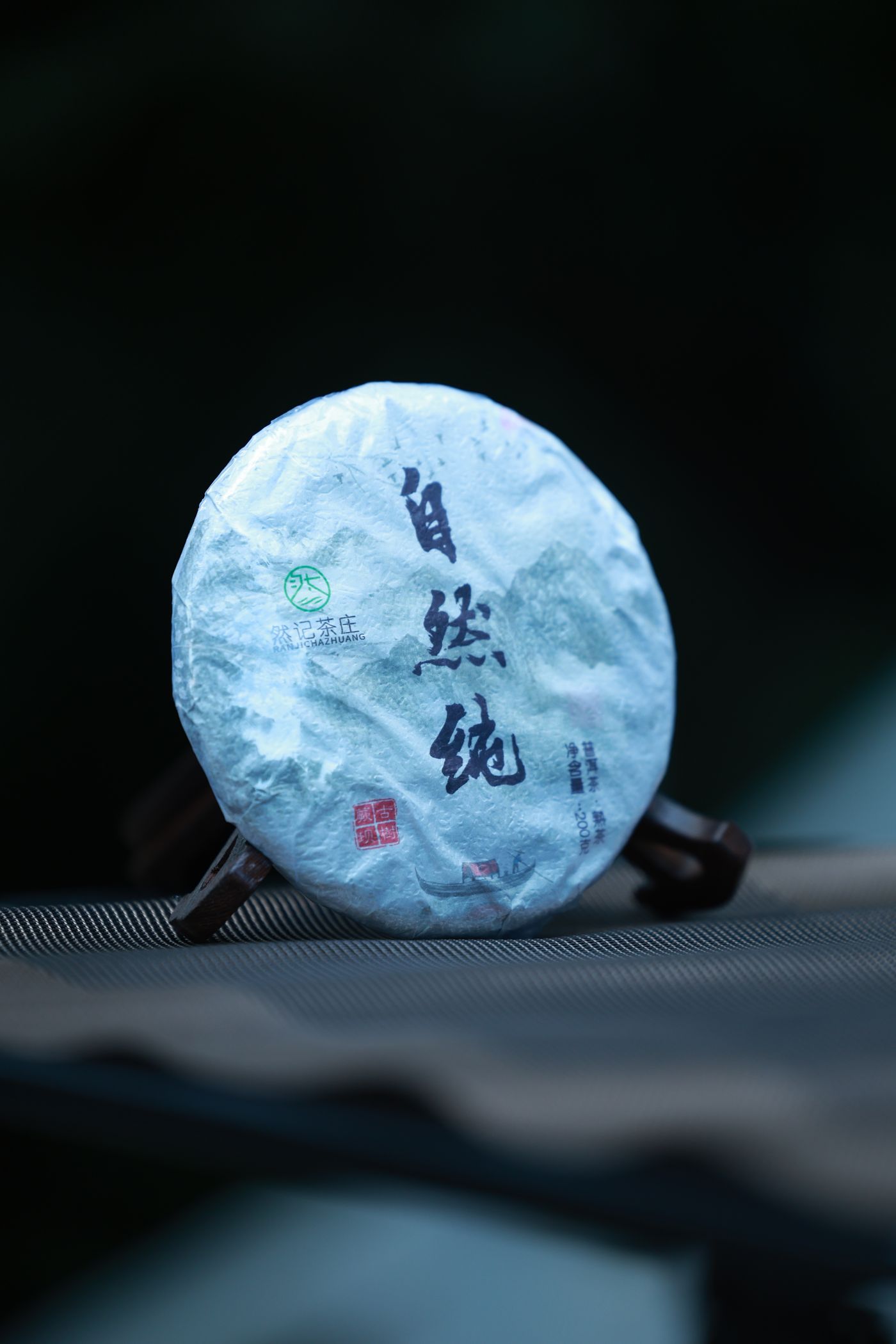
Pu-Erh Tea First Buying Check
Buying pu-erh tea begins before the cart. For buying pu-erh tea, the first check is whether the listing names tea type, style, origin or blend logic, freshness, leaf form, storage, package size, and a brewing cue for earthy, woody, camphor-like, aged, or bright when young.
If those clues are missing in buying pu-erh tea, the buyer cannot predict the first cup. The buyer's mistake is letting prestige words replace inspectable clues for buying pu-erh tea.
For buying pu-erh tea, pu-erh tea should be tied to harvest or packing language, leaf condition, ingredient list, grade terms when relevant, and brewing guidance. When paying for a story while ignoring freshness, amount, and whether the tea fits the intended brewing method, this section should lower the budget, not raise it, and send the reader to a food pairing guide if the risk is method or storage for buying pu-erh tea.
Buying pu-erh tea should be treated as an evidence check before a purchase. In this section, storage aroma, sample size, package size, origin or blend logic, storage, and a second infusion should show whether the seller gives enough information for earthy, woody, camphor-like, aged, or bright when young for buying pu-erh tea.
If the listing cannot support that first cup, the safer choice is a smaller sample or no purchase for buying pu-erh tea. The buyer's mistake is letting prestige words replace inspectable clues for buying pu-erh tea.
For buying pu-erh tea, pu-erh tea should be tied to harvest or packing language, leaf condition, ingredient list, grade terms when relevant, and brewing guidance. When paying for a story while ignoring freshness, amount, and whether the tea fits the intended brewing method, this section should lower the budget, not raise it, and send the reader to a comparison page if the risk is method or storage for buying pu-erh tea.
Pu-Erh Tea Label And Freshness Signals
Label signals for buying pu-erh tea should be concrete. Look for harvest or packing language, grade terms when relevant, leaf appearance, scenting method, roast or oxidation, intended milk use, powder use, compression, or storage notes that fit earthy, woody, camphor-like, aged, or bright when young.
Mood words can support a buying pu-erh tea listing, but they cannot replace inspectable evidence. Buying pu-erh tea should be treated as an evidence check before a purchase.
In this section, storage aroma, serving temperature, package size, origin or blend logic, storage, and a first conservative brew should show whether the seller gives enough information for earthy, woody, camphor-like, aged, or bright when young for buying pu-erh tea. If the listing cannot support that first cup, the safer choice is a smaller sample or no purchase for buying pu-erh tea.
The buyer's mistake is letting prestige words replace inspectable clues for buying pu-erh tea. For buying pu-erh tea, pu-erh tea should be tied to harvest or packing language, leaf condition, ingredient list, grade terms when relevant, and brewing guidance.
When paying for a story while ignoring freshness, amount, and whether the tea fits the intended brewing method, this section should lower the budget, not raise it, and send the reader to a storage guide if the risk is method or storage for buying pu-erh tea. Buying pu-erh tea should be treated as an evidence check before a purchase.
In this section, dry-leaf aroma, steep time, package size, origin or blend logic, storage, and a label check should show whether the seller gives enough information for earthy, woody, camphor-like, aged, or bright when young for buying pu-erh tea. If the listing cannot support that first cup, the safer choice is a smaller sample or no purchase for buying pu-erh tea.
Pu-Erh Tea Sample Brew Test
Brew the first buying pu-erh tea sample by starting with rinsed leaves, short infusions, and storage-aware tasting as a sample test while buying pu-erh tea. Taste plain, record bitterness, and decide whether the tea matches earthy, woody, camphor-like, aged, or bright when young.
The buying pu-erh tea sample should answer whether the buyer wants more, not merely whether the description sounded attractive. The buyer's mistake is letting prestige words replace inspectable clues for buying pu-erh tea.
For buying pu-erh tea, pu-erh tea should be tied to harvest or packing language, leaf condition, ingredient list, grade terms when relevant, and brewing guidance. When paying for a story while ignoring freshness, amount, and whether the tea fits the intended brewing method, this section should lower the budget, not raise it, and send the reader to a tea type page if the risk is method or storage for buying pu-erh tea.
Buying pu-erh tea should be treated as an evidence check before a purchase. In this section, dry-leaf aroma, leaf amount, package size, origin or blend logic, storage, and a cooling taste test should show whether the seller gives enough information for earthy, woody, camphor-like, aged, or bright when young for buying pu-erh tea.
If the listing cannot support that first cup, the safer choice is a smaller sample or no purchase for buying pu-erh tea. The buyer's mistake is letting prestige words replace inspectable clues for buying pu-erh tea.
For buying pu-erh tea, pu-erh tea should be tied to harvest or packing language, leaf condition, ingredient list, grade terms when relevant, and brewing guidance. When paying for a story while ignoring freshness, amount, and whether the tea fits the intended brewing method, this section should lower the budget, not raise it, and send the reader to a buying checklist if the risk is method or storage for buying pu-erh tea.
Pu-Erh Tea Red Flags And Claims
Buying pu-erh tea red flags include detox, cure, disease-treatment, guaranteed-result, rare, ancient, premium, ceremonial, or direct-sourcing language without proof. For buying pu-erh tea, ignore detox, cure, disease-treatment, and guaranteed-result language; trust labels, dates, leaf condition, and the brewed sample instead.
A buying pu-erh tea claim that cannot be tied to label, leaf, aroma, date, or cup should not raise the budget. Buying pu-erh tea should be treated as an evidence check before a purchase.
In this section, dry-leaf aroma, vessel size, package size, origin or blend logic, storage, and a small guest serving should show whether the seller gives enough information for earthy, woody, camphor-like, aged, or bright when young for buying pu-erh tea. If the listing cannot support that first cup, the safer choice is a smaller sample or no purchase for buying pu-erh tea.
The buyer's mistake is letting prestige words replace inspectable clues for buying pu-erh tea. For buying pu-erh tea, pu-erh tea should be tied to harvest or packing language, leaf condition, ingredient list, grade terms when relevant, and brewing guidance.
When paying for a story while ignoring freshness, amount, and whether the tea fits the intended brewing method, this section should lower the budget, not raise it, and send the reader to a comparison page if the risk is method or storage for buying pu-erh tea. Buying pu-erh tea should be treated as an evidence check before a purchase.
In this section, body, sample size, package size, origin or blend logic, storage, and a side-by-side cup should show whether the seller gives enough information for earthy, woody, camphor-like, aged, or bright when young for buying pu-erh tea. If the listing cannot support that first cup, the safer choice is a smaller sample or no purchase for buying pu-erh tea.
Pu-Erh Tea Budget And Storage Move
The budget move for buying pu-erh tea is usually smaller than the listing encourages. Buy enough buying pu-erh tea to test rinsed leaves, short infusions, and storage-aware tasting as a sample test while buying pu-erh tea, then store it away from light, heat, humidity, and odor.
Package size for buying pu-erh tea should follow drinking pace, not a discount ladder. The buyer's mistake is letting prestige words replace inspectable clues for buying pu-erh tea.
For buying pu-erh tea, pu-erh tea should be tied to harvest or packing language, leaf condition, ingredient list, grade terms when relevant, and brewing guidance. When paying for a story while ignoring freshness, amount, and whether the tea fits the intended brewing method, this section should lower the budget, not raise it, and send the reader to a storage guide if the risk is method or storage for buying pu-erh tea.
Buying pu-erh tea should be treated as an evidence check before a purchase. In this section, body, serving temperature, package size, origin or blend logic, storage, and a storage smell check should show whether the seller gives enough information for earthy, woody, camphor-like, aged, or bright when young for buying pu-erh tea.
If the listing cannot support that first cup, the safer choice is a smaller sample or no purchase for buying pu-erh tea. The buyer's mistake is letting prestige words replace inspectable clues for buying pu-erh tea.
For buying pu-erh tea, pu-erh tea should be tied to harvest or packing language, leaf condition, ingredient list, grade terms when relevant, and brewing guidance. When paying for a story while ignoring freshness, amount, and whether the tea fits the intended brewing method, this section should lower the budget, not raise it, and send the reader to a culture guide if the risk is method or storage for buying pu-erh tea.
Pu-Erh Tea Rebuy Or Walk-Away Decision
After choosing buying pu-erh tea, use the result to decide the next route. If the buying pu-erh tea sample is bitter, read brewing; if the label was vague, read label guidance.
If storage seems weak for buying pu-erh tea, fix the container before buying more. Use the checklist for buying pu-erh tea, then start with the smallest sample size that can answer your brewing question.
Buying pu-erh tea should be treated as an evidence check before a purchase. In this section, body, water temperature, package size, origin or blend logic, storage, and a second infusion should show whether the seller gives enough information for earthy, woody, camphor-like, aged, or bright when young for buying pu-erh tea.
If the listing cannot support that first cup, the safer choice is a smaller sample or no purchase for buying pu-erh tea. The buyer's mistake is letting prestige words replace inspectable clues for buying pu-erh tea.
For buying pu-erh tea, pu-erh tea should be tied to harvest or packing language, leaf condition, ingredient list, grade terms when relevant, and brewing guidance. When paying for a story while ignoring freshness, amount, and whether the tea fits the intended brewing method, this section should lower the budget, not raise it, and send the reader to a buying checklist if the risk is method or storage for buying pu-erh tea.
Buying pu-erh tea should be treated as an evidence check before a purchase. In this section, aftertaste, leaf amount, package size, origin or blend logic, storage, and a first conservative brew should show whether the seller gives enough information for earthy, woody, camphor-like, aged, or bright when young for buying pu-erh tea.
If the listing cannot support that first cup, the safer choice is a smaller sample or no purchase for buying pu-erh tea.
Buying Check
Buy pu-erh tea without relying on vague prestige words.
A buyer checklist for pu-erh tea: origin or label clue, leaf condition, package size, sample risk, freshness check, and claims to ignore.
rinsed leaves, short infusions, and storage-aware tasting as a sample test while buying pu-erh tea
For buying pu-erh tea, ignore detox, cure, disease-treatment, and guaranteed-result language; trust labels, dates, leaf condition, and the brewed sample instead.
Buying Check Aid
Pu-erh Buying Checklist
Use this before buying more than a small sample.
| Situation | Read | Move |
|---|---|---|
| Style | Confirm raw or ripe and young or aged direction | Do not let cake shape replace style clarity |
| Storage | Look for clean aroma notes and storage context | Avoid vague old or wet claims without explanation |
| Purchase size | Start with samples or small pieces | Buy a full cake only after several sessions still appeal |
Field note
Buy pu-erh tea from evidence
How To Buy Pu-Erh Tea becomes useful when the listing helps you predict the first pu-erh tea cup. For How To Buy Pu-Erh Tea, treat origin stories, discounts, and prestige words as secondary until freshness, package size, leaf condition, and claim language are clear.
Checkout Decisions
Reader Situation: The First Pu-erh Cart
For Pu-Erh Tea buying, you see cakes, tuos, loose ripe tea, raw samples, famous mountain names, and vintage language Slow down and buy a sample set before a cake. Your job is to learn whether you like earthy ripe smoothness, young raw brightness, aged complexity, or none of those enough to store more. Pu-Erh Tea buying should slow checkout down. Inspect origin, style, harvest or packing clue, leaf condition, aroma, storage package, sample size, label claim, water guidance, steep time, and whether pu-erh tea fits the intended vessel for Pu-Erh Tea buying. For Pu-Erh Tea buying, the safest purchase is small and testable: dry leaf aroma, body, finish, freshness, package weight, caffeine expectation, ingredient list, grade language, and a brew that proves the label.
Wrong Decision: Paying For Age You Cannot Taste
For Pu-Erh Tea buying, avoid buying an old-looking cake because the date sounds impressive Age without storage clarity can be disappointing or unpleasant. Walk away from listings that hide storage, sample options, return boundaries, or basic raw-versus-ripe information behind romantic tea language. For Pu-Erh Tea buying, the safest purchase is small and testable: dry leaf aroma, body, finish, freshness, package weight, caffeine expectation, ingredient list, grade language, and a brew that proves the label. A stronger Pu-Erh Tea buying page separates evidence from adjectives. Check roast or oxidation, scenting, compression, storage odor, sample availability, return language, water temperature, and whether clean earth, wood, camphor, fruit, bitterness, sweetness after the sip, storage aroma, rinse behavior, and whether later infusions become clearer appear in the cup for Pu-Erh Tea buying.
Evidence Before Checkout
For Pu-Erh Tea buying, buying pu-erh tea should begin with what can be inspected: tea type, origin or style, harvest or packing clue, leaf form, scenting, storage, package weight, seller detail, and brewing suggestion A beautiful description is not enough. The first useful question is whether the label predicts a cup that tastes like earthy, woody, camphor-like, aged, or bright when young. A stronger Pu-Erh Tea buying page separates evidence from adjectives. Check roast or oxidation, scenting, compression, storage odor, sample availability, return language, water temperature, and whether clean earth, wood, camphor, fruit, bitterness, sweetness after the sip, storage aroma, rinse behavior, and whether later infusions become clearer appear in the cup for Pu-Erh Tea buying.
The Sample Test
For Pu-Erh Tea buying, the safest first purchase for pu-erh tea is the smallest amount that can answer a brewing question Use rinsed leaves, short infusions, and storage-aware tasting as a sample test while buying pu-erh tea, taste plain before add-ins, and write down aroma, body, bitterness, finish, and whether the leaf still smells clean after opening. If the buying pu-erh tea sample cannot survive that test, a larger discount bag will only make the mistake last longer. Before a larger Pu-Erh Tea buying order, brew one sample, note aroma and aftertaste, inspect the label and package, store the leaf away from odor, and compare the result with a nearby tea type.
Test The Sample
- Start with the actual choice: Buy pu-erh tea without relying on vague prestige words
- Let buying pu-erh tea lean toward earthy, woody, camphor-like, aged, or bright when young, but judge it by the setting, serving effort, and the next cup you would repeat.
- Set up buying pu-erh tea with one controlled baseline: rinsed leaves, short infusions, and storage-aware tasting as a sample test while buying pu-erh tea.
- Taste buying pu-erh tea before adding sugar, milk, lemon, ice, or another variable that could hide the real problem.
- Finish with one next move: Use the checklist for buying pu-erh tea, then start with the smallest sample size that can answer your brewing question.
Mistakes worth avoiding
Using the hottest water for buying pu-erh tea before checking whether the leaf needs a softer start.
Treating caffeine in buying pu-erh tea as a fixed number instead of a range shaped by leaf, time, and serving size.
For buying pu-erh tea, do not skip a buyer checklist for pu-erh tea covering origin or label clue, leaf condition, package size, sample risk, freshness check, and claims to ignore; that is the part that turns the page from background reading into a next action.
With buying pu-erh tea, watch for this failure mode: paying for a story while ignoring freshness, amount, and whether the tea fits the intended brewing method.
Buying Questions
When is a sample better than a full bag in buying pu-erh tea?
For buying pu-erh tea, How To Buy Pu-Erh Tea usually disappoints when paying for a story while ignoring freshness, amount, and whether the tea fits the intended brewing method. Also watch for buying pu-erh tea problems such as overheated water, stale leaves, vague origin language, oversized packages, or a pairing that feels heavier than the tea.
What does vague origin language mean in buying pu-erh tea?
For buying pu-erh tea, ignore detox, cure, disease-treatment, and guaranteed-result language; trust labels, dates, leaf condition, and the brewed sample instead. Keep buying pu-erh tea focused on freshness, labels, package size, and claim language the shopper can verify. For buying pu-erh tea, buying guidance can flag claims and tradeoffs, not certify a product or vendor.
How can buying pu-erh tea avoid prestige pricing?
For buying pu-erh tea, use the checklist for buying pu-erh tea, then start with the smallest sample size that can answer your brewing question. After that, match the follow-up to the reader's problem: buying pu-erh tea taste calls for a tea-type page, brewing calls for the timer, buying calls for a checklist, and personal suitability questions belong outside a general tea guide.
What should I check first in buying pu-erh tea?
How To Buy Pu-Erh Tea should answer one practical decision first: Buy pu-erh tea without relying on vague prestige words. For buying pu-erh tea, start with pu-erh tea, expect earthy, woody, camphor-like, aged, or bright when young, and brew the first test this way: rinsed leaves, short infusions, and storage-aware tasting as a sample test while buying pu-erh tea. The buying pu-erh tea takeaway is the cup change the reader can repeat.
Which buying signals matter for buying pu-erh tea?
For buying pu-erh tea, pu-erh tea works when origin, harvest or packing date, leaf condition, scenting, package size, price signal, and claim language match the reader's situation. Check sample availability, dry aroma, broken leaf rate, storage packaging, vendor clarity, return expectations, and whether claims sound medical; if those buying pu-erh tea checks conflict, choose the smaller sample, gentler brew, or clearer label.
References
The notes below separate label, freshness, storage, and buying judgments instead of listing sources as decoration.
Used here for the storage judgment in buying pu-erh tea: light, air, moisture, heat, and odor control matter before a buyer trusts stale leaves.
UK Tea & Infusions AssociationMany different Varieties of TeaUsed here for named tea-variety context in buying pu-erh tea, so the reader can connect pu-erh tea to recognizable tea families and everyday category language.
Tea Association of the USADid You Know? Tea FactsUsed here for processing and category terms behind buying pu-erh tea, including oxidation, true tea families, and named Chinese tea styles.
What these references support
- Tea Perfectioniststorage and freshness-risk context for buying pu-erh tea, including handling, packaging, odor, moisture, and time
Buying pu-erh tea uses light, heat, oxygen, moisture, odor, and container choice to explain stored-tea risk.
- UK Tea & Infusions Associationtea-family, processing, sensory, or variety context that grounds buying pu-erh tea in observable cup and label clues
Buying pu-erh tea uses tea family and variety names as processing, flavor, and preparation clues.
- Tea Association of the USAtea-family, processing, sensory, or variety context that grounds buying pu-erh tea in observable cup and label clues
Buying pu-erh tea uses tea family and variety names as processing, flavor, and preparation clues.