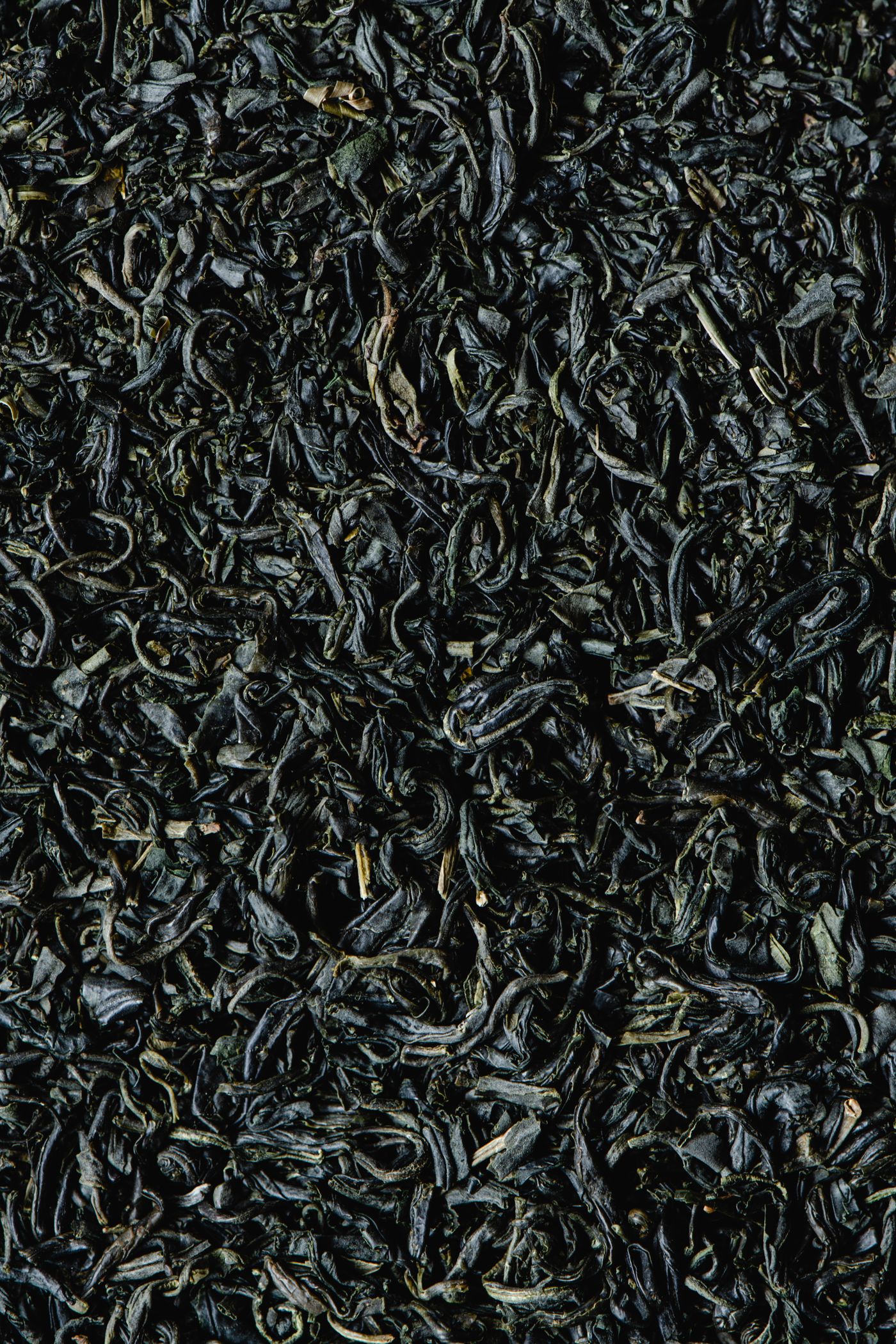
Plain-English Tea Leaf Shape
Tea Leaf Shape Guide should answer one ordinary tea problem before it teaches more vocabulary. The first pass in tea leaf shape is to name the cup the reader wants, then connect that cup to balanced and approachable, fresh grass, chestnut, seaweed, sweet corn, citrus peel, spring flowers, pale liquor, quick bitterness, and a drying finish when water is too hot, and one visible liquor color check.
If tea leaf shape still feels broad, narrow it to a simple mug-sized test, a western mug, and one note about liquor color. The practical mistake in tea leaf shape is treating every tea problem as a knowledge problem.
This section should show whether a simple mug-sized test is really about taste, caffeine timing, storage, vessel choice, label trust, or serving effort for tea leaf shape. When turning a beginner question into a rulebook, or treating a marketing phrase as proof of quality, the reader should leave with one small correction and one reason not to buy more until the cup has answered back for tea leaf shape.
A useful plain-english tea leaf shape section should slow the reader down at the exact point where tea leaf shape becomes too broad. If the reader is deciding whether a label is credible, the evidence is not a bigger glossary; it is leaf shape, serving temperature, and whether the small guest serving makes balanced and approachable easier to recognize for tea leaf shape.
Use this part to decide which variable deserves attention before opening a comparison page for tea leaf shape.
Tea Leaf Shape Cup Evidence
Taste checks matter because tea leaf shape can sound clear while the cup remains confusing. Use body as the first clue, then ask whether the tea feels fresh, stale, sharp, flat, heavy, or easy to repeat.
For tea leaf shape, one honest note about balanced and approachable is more useful than a long list of terms because it tells the reader what to test next. A useful tea leaf shape cup evidence section should slow the reader down at the exact point where tea leaf shape becomes too broad.
If the reader is sharing tea with a friend, the evidence is not a bigger glossary; it is leaf shape, water temperature, and whether the side-by-side cup makes balanced and approachable easier to recognize for tea leaf shape. Use this part to decide which variable deserves attention before opening a storage guide for tea leaf shape.
The practical mistake in tea leaf shape is treating every tea problem as a knowledge problem. This section should show whether a familiar tea style is really about taste, caffeine timing, storage, vessel choice, label trust, or serving effort for tea leaf shape.
When turning a beginner question into a rulebook, or treating a marketing phrase as proof of quality, the reader should leave with one small correction and one reason not to buy more until the cup has answered back for tea leaf shape.
Tea Leaf Shape First Trial
A gentle trial for tea leaf shape begins with one plain cup and record dry aroma, liquor color, body, finish, and the first note that changed after cooling. For tea leaf shape, keep the western mug simple, taste before adding extras, and change cleaner storage only after the first result fails.
The point is to learn whether a familiar tea style is being shaped by heat, time, leaf amount, storage, or the tea itself. The practical mistake in tea leaf shape is treating every tea problem as a knowledge problem.
This section should show whether a familiar tea style is really about taste, caffeine timing, storage, vessel choice, label trust, or serving effort for tea leaf shape. When turning a beginner question into a rulebook, or treating a marketing phrase as proof of quality, the reader should leave with one small correction and one reason not to buy more until the cup has answered back for tea leaf shape.
A useful tea leaf shape first trial section should slow the reader down at the exact point where tea leaf shape becomes too broad. If the reader is deciding whether a label is credible, the evidence is not a bigger glossary; it is liquor color, vessel size, and whether the second infusion makes balanced and approachable easier to recognize for tea leaf shape.
Use this part to decide which variable deserves attention before opening a buying checklist for tea leaf shape.
Tea Leaf Shape Failure Points
Tea leaf shape gets hard when the reader tries to solve flavor, caffeine, buying, storage, and equipment in the same moment. For tea leaf shape, keep taste, caffeine, buying signals, and health claims in separate buckets before turning one cup into a broad rule.
Handle tea leaf shape in order; cup first, claim second, purchase third, and gear only after the routine asks for it. A useful tea leaf shape failure points section should slow the reader down at the exact point where tea leaf shape becomes too broad.
If the reader is sharing tea with a friend, the evidence is not a bigger glossary; it is liquor color, package date, and whether the first conservative brew makes balanced and approachable easier to recognize for tea leaf shape. Use this part to decide which variable deserves attention before opening a comparison page for tea leaf shape.
The practical mistake in tea leaf shape is treating every tea problem as a knowledge problem. This section should show whether a simple mug-sized test is really about taste, caffeine timing, storage, vessel choice, label trust, or serving effort for tea leaf shape.
When turning a beginner question into a rulebook, or treating a marketing phrase as proof of quality, the reader should leave with one small correction and one reason not to buy more until the cup has answered back for tea leaf shape.
Tea Leaf Shape Buying And Serving Choices
Buying and serving tea leaf shape should stay tied to visible evidence. Look for leaf condition, package size, freshness, ingredient list, brewing cue, and whether a simple mug-sized test suits the setting.
For tea leaf shape, a small sample, a clean mug, or a clear label is more useful than a beautiful story with no balanced and approachable test. The practical mistake in tea leaf shape is treating every tea problem as a knowledge problem.
This section should show whether a simple mug-sized test is really about taste, caffeine timing, storage, vessel choice, label trust, or serving effort for tea leaf shape. When turning a beginner question into a rulebook, or treating a marketing phrase as proof of quality, the reader should leave with one small correction and one reason not to buy more until the cup has answered back for tea leaf shape.
A useful tea leaf shape buying and serving choices section should slow the reader down at the exact point where tea leaf shape becomes too broad. If the reader is deciding whether a label is credible, the evidence is not a bigger glossary; it is finish, water temperature, and whether the cooling taste test makes balanced and approachable easier to recognize for tea leaf shape.
Use this part to decide which variable deserves attention before opening a culture guide for tea leaf shape.
Tea Leaf Shape Reading Route
After tea leaf shape, choose the next page by the problem that remains. In tea leaf shape, flavor questions lead to tea types, bitter or weak cups lead to brewing, vague product pages lead to buying guides, and objects or etiquette lead to culture.
Taste one tea slowly with tea leaf shape in mind, write down the clearest note, and compare it with a second cup only after the first makes sense. A useful tea leaf shape reading route section should slow the reader down at the exact point where tea leaf shape becomes too broad.
If the reader is sharing tea with a friend, the evidence is not a bigger glossary; it is finish, steep time, and whether the small guest serving makes balanced and approachable easier to recognize for tea leaf shape. Use this part to decide which variable deserves attention before opening a buying checklist for tea leaf shape.
The practical mistake in tea leaf shape is treating every tea problem as a knowledge problem. This section should show whether a familiar tea style is really about taste, caffeine timing, storage, vessel choice, label trust, or serving effort for tea leaf shape.
When turning a beginner question into a rulebook, or treating a marketing phrase as proof of quality, the reader should leave with one small correction and one reason not to buy more until the cup has answered back for tea leaf shape.
Start Here
Recognize leaf styles before buying or brewing.
A short route map for tea leaf shape: one taste cue, one brewing variable, one buying checkpoint, and one next page so the first cup leads somewhere useful.
brew one plain cup and record dry aroma, liquor color, body, finish, and the first note that changed after cooling
For tea leaf shape, keep taste, caffeine, buying signals, and health claims in separate buckets before turning one cup into a broad rule.
First-Cup Aid
Tea Leaf Shape Quick Checklist
Use the list to separate what you tasted from what the label, tool, or story promised.
- For tea leaf shape, taste target: balanced and approachable.
- For tea leaf shape, brewing cue: one plain cup and record dry aroma, liquor color, body, finish, and the first note that changed after cooling.
- For tea leaf shape, decision check: tea family, leaf form, water heat, steep length, freshness, and whether add-ins will hide the tea.
Field note
Keep Tea Leaf Shape Guide close to the cup
Tea Leaf Shape Guide is strongest when it helps you choose, brew, taste, buy, or serve one real cup. Use Tea Leaf Shape Guide as a decision aid, then let balanced and approachable, freshness, comfort, and the brew one plain cup and record dry aroma, liquor color, body, finish, and the first note that changed after cooling cue decide the next move.
Beginner Decisions
The Real Question
For Tea Leaf Shape Guide, tea leaf shape should reduce one confusing tea choice The reader is trying to recognize leaf styles before buying or brewing, so the page needs to connect a simple mug-sized test, balanced and approachable, brewing, buying, and a next route. A useful answer for tea leaf shape names what can be smelled, tasted, timed, stored, or checked on a label before asking the reader to learn more vocabulary. Tea Leaf Shape Guide has to become a first cup, not a definition. Check dry leaf, aroma, liquor body, finish, water temperature, steep time, vessel size, storage smell, and the package label before treating tea as solved for Tea Leaf Shape Guide.
Cup Evidence
For Tea Leaf Shape Guide, use one plain cup and record dry aroma, liquor color, body, finish, and the first note that changed after cooling and judge the result through tea family, leaf form, water heat, steep length, freshness, and whether add-ins will hide the tea If the tea leaf shape cup is pleasant, the next decision can be buying, storage, or a related tea type. If a cup built around a simple mug-sized test fails, change only one variable before drawing a bigger conclusion. That keeps tea leaf shape grounded in experience rather than a list of claims.
Wrong Turn
For Tea Leaf Shape Guide, around tea leaf shape, the trust wrong turn is letting a romantic origin story or health-adjacent phrase replace the cup-level evidence the reader can inspect The better correction for tea leaf shape is smaller: one sample, one vessel, one brewing change, one label clue, or one comparison page. A tea habit gets better when a simple mug-sized test changes the next cup, not when the reader collects more rules without testing them. Make Tea Leaf Shape Guide practical by choosing a small package, tasting before milk or sugar, noting the steep length, and watching whether the leaf, water, vessel, storage, and finish support the promised tea flavor.
Next Path
For Tea Leaf Shape Guide, taste one tea slowly with tea leaf shape in mind, write down the clearest note, and compare it with a second cup only after the first makes sense If the next tea leaf shape problem is flavor, open a tea type page. If it is bitterness or weakness, open a brewing page. If it is price, freshness, or claims, use a buying guide. If it is serving, teaware, or etiquette, move into culture. The path for a simple mug-sized test should follow the user's question, not the site's taxonomy. A stronger Tea Leaf Shape Guide answer names what the reader can see and repeat: leaf form, aroma, body, finish, water heat, timer, storage odor, label date, sample size, and the next page that fixes the remaining cup problem.
Try One Cup
- Start with the actual choice: Recognize leaf styles before buying or brewing
- Let tea leaf shape lean toward balanced and approachable, but judge it by the setting, serving effort, and the next cup you would repeat.
- Brew the first tea leaf shape test this way: one plain cup and record dry aroma, liquor color, body, finish, and the first note that changed after cooling.
- Taste tea leaf shape before adding sugar, milk, lemon, ice, or another variable that could hide the real problem.
- Finish with one next move: Taste one tea slowly with tea leaf shape in mind, write down the clearest note, and compare it with a second cup only after the first makes sense.
Mistakes worth avoiding
Using the hottest water for tea leaf shape before checking whether the leaf needs a softer start.
Treating caffeine in tea leaf shape as a fixed number instead of a range shaped by leaf, time, and serving size.
For tea leaf shape, skipping the practical check means ignoring a short route map for tea leaf shape covering one taste cue, one brewing variable, one buying checkpoint, and one next page so the first cup leads somewhere useful until the cup, cart, or table is already harder to fix.
With tea leaf shape, watch for this failure mode: turning a beginner question into a rulebook, or treating a marketing phrase as proof of quality.
First-Cup Questions
How can tea leaf shape stay simple without being shallow?
For tea leaf shape, taste one tea slowly with tea leaf shape in mind, write down the clearest note, and compare it with a second cup only after the first makes sense. After that, match the follow-up to the reader's problem: tea leaf shape taste calls for a tea-type page, brewing calls for the timer, buying calls for a checklist, and personal suitability questions belong outside a general tea guide.
What should a beginner do first with tea leaf shape?
Tea Leaf Shape Guide should answer one practical decision first: Recognize leaf styles before buying or brewing. For tea leaf shape, start with a simple mug-sized test, expect balanced and approachable, and brew the first test this way: one plain cup and record dry aroma, liquor color, body, finish, and the first note that changed after cooling. The tea leaf shape takeaway is the cup change the reader can repeat.
Which detail changes tea leaf shape the fastest?
For tea leaf shape, a simple mug-sized test works when definition, taste expectation, caffeine timing, and the first brewing adjustment a beginner can actually test match the reader's situation. Check tea family, leaf form, water heat, steep length, freshness, and whether add-ins will hide the tea; if those tea leaf shape checks conflict, choose the smaller sample, gentler brew, or clearer label.
Where do beginners usually go wrong with tea leaf shape?
For tea leaf shape, Tea Leaf Shape Guide usually disappoints when turning a beginner question into a rulebook, or treating a marketing phrase as proof of quality. Also watch for tea leaf shape problems such as overheated water, stale leaves, vague origin language, oversized packages, or a pairing that feels heavier than the tea.
Which claim should stay outside tea leaf shape?
For tea leaf shape, keep taste, caffeine, buying signals, and health claims in separate buckets before turning one cup into a broad rule. Keep tea leaf shape useful for taste and timing, and treat personal caffeine tolerance as a separate decision. For tea leaf shape, basic tea education can explain categories and habits, but it should avoid cure, detox, or guaranteed benefit language.
References
The notes below explain which definition, brewing, caffeine, or buying judgment each reference anchors.
Used here for grade-reading judgment in tea leaf shape, especially when CTC, orthodox, broken leaf, origin, or grade language could be mistaken for a flavor guarantee.
Foods / PubMed CentralUsing Sensory Wheels to Characterize Consumers' Perception for Authentication of Taiwan Specialty TeasUsed here for sensory language in tea leaf shape, especially aroma, liquor color, mouthfeel, flavor grouping, and tasting vocabulary the reader can reuse at the cup.
UK Tea & Infusions AssociationMake a Perfect BrewUsed here for everyday brewing judgment in tea leaf shape, especially household water, steep time, cup strength, milk, and practical preparation choices.
Victoria and Albert MuseumTeapots Through TimeUsed here for teaware and service context in tea leaf shape, especially why cups, pots, and small vessels change how a tea session is understood.
UC Davis Global Tea InstituteGlobal Tea InstituteUsed here for research-literate beginner context in tea leaf shape, especially where one modest first cup needs to stay grounded in tea culture and science without becoming personal health advice.
What these references support
- Indian Tea Associationlabel, grade, certification, or claim-boundary context that keeps tea leaf shape practice buyer decisions evidence-based
Tea leaf shape practice treats label and certification words as checks, not automatic proof of cup quality.
- Foods / PubMed Centraltea-family, processing, sensory, or variety context that grounds tea leaf shape practice in observable cup and label clues
Tea leaf shape practice uses tea family and variety names as processing, flavor, and preparation clues.
- UK Tea & Infusions Associationbrewing-variable context for tea leaf shape practice, especially time, temperature, vessel, and adjustment logic
Tea leaf shape practice depends on time, temperature, water amount, leaf amount, and vessel size changing extraction.
- Victoria and Albert Museumcultural and teaware context that explains tea leaf shape practice through objects, setting, and social use
Tea leaf shape practice treats tea practice as social, material, regional, and tied to serving context.