Quick answer
Start cooler for delicate green teas, moderate for white and lightly oxidized oolong, and hotter for many black, roasted oolong, and dark teas. Follow the producer when available.
Practical guide
Temperature is one part of extraction. Leaf amount, water volume, time, and repeated infusions can make the same number taste very different.
Start cooler for delicate green teas, moderate for white and lightly oxidized oolong, and hotter for many black, roasted oolong, and dark teas. Follow the producer when available.
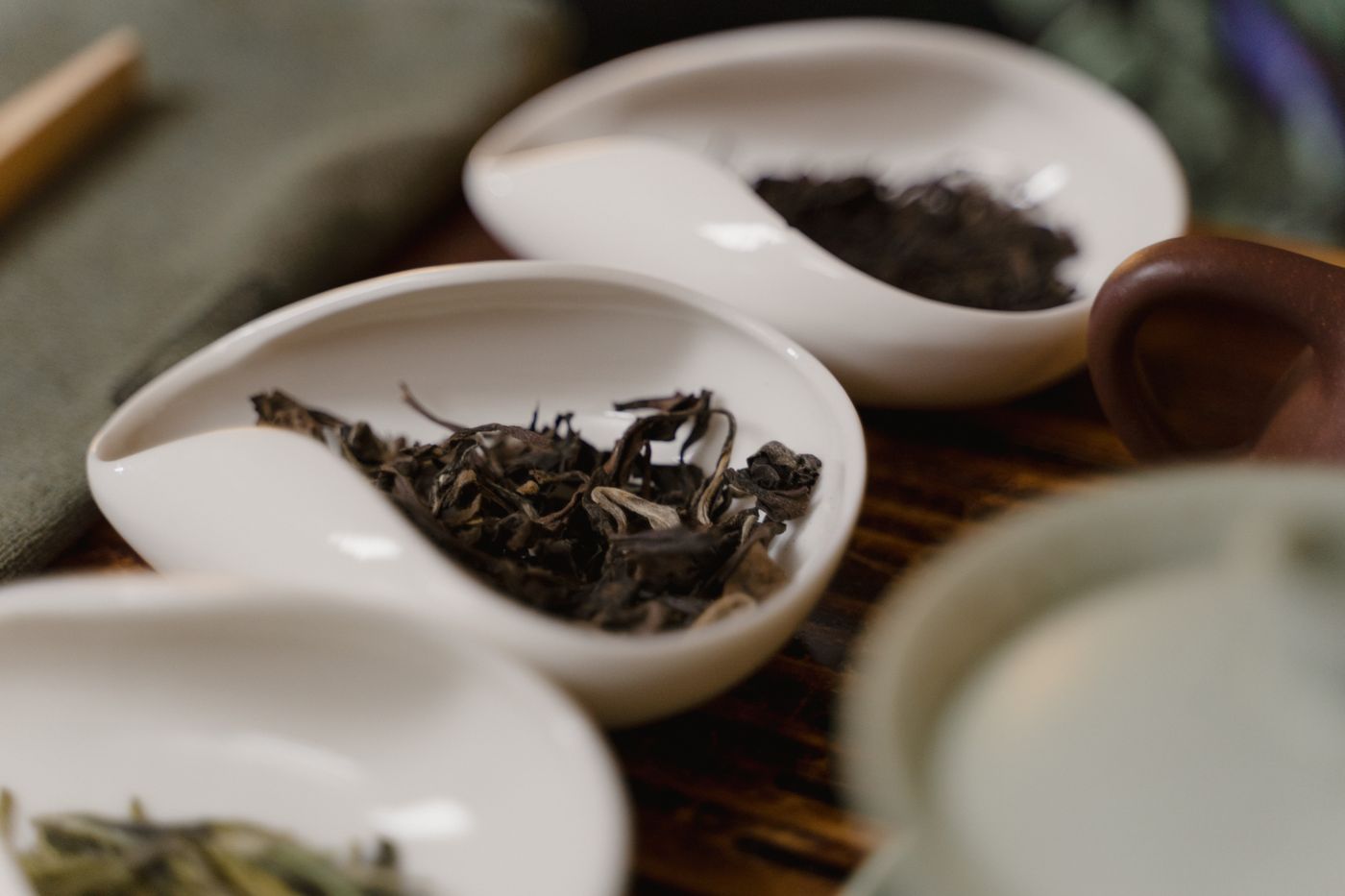
A broad category can contain tender buds, broken leaf, compressed tea, deep roast, or aged material that responds differently.
Keep leaf amount and water volume stable while adjusting temperature or time so the next cup teaches you something.
Harshness can call for cooler water or shorter time; a flat cup may need hotter water, more time, or more leaf.
Tea and Herbal Association of Canada. Tea categories and preparation context. Tea labels and brewing examples vary by producer, leaf style, water, vessel, and personal taste; use the source as a starting framework.
World Green Tea Association. Japanese green tea and brewing context. Tea labels and brewing examples vary by producer, leaf style, water, vessel, and personal taste; use the source as a starting framework.
See why two Japanese green teas may need different starts.
Track temperature, time, leaf amount, and sensory changes instead of relying on memory alone.