Quick answer
Choose sencha for a broad everyday range of fresh, grassy, sweet, or brisk cups. Choose gyokuro when you want a more concentrated, umami-forward tasting session and careful brewing.
Practical guide
Both are Japanese green teas, but gyokuro is shade-grown before harvest and is commonly brewed to emphasize concentrated sweetness and umami.
Choose sencha for a broad everyday range of fresh, grassy, sweet, or brisk cups. Choose gyokuro when you want a more concentrated, umami-forward tasting session and careful brewing.
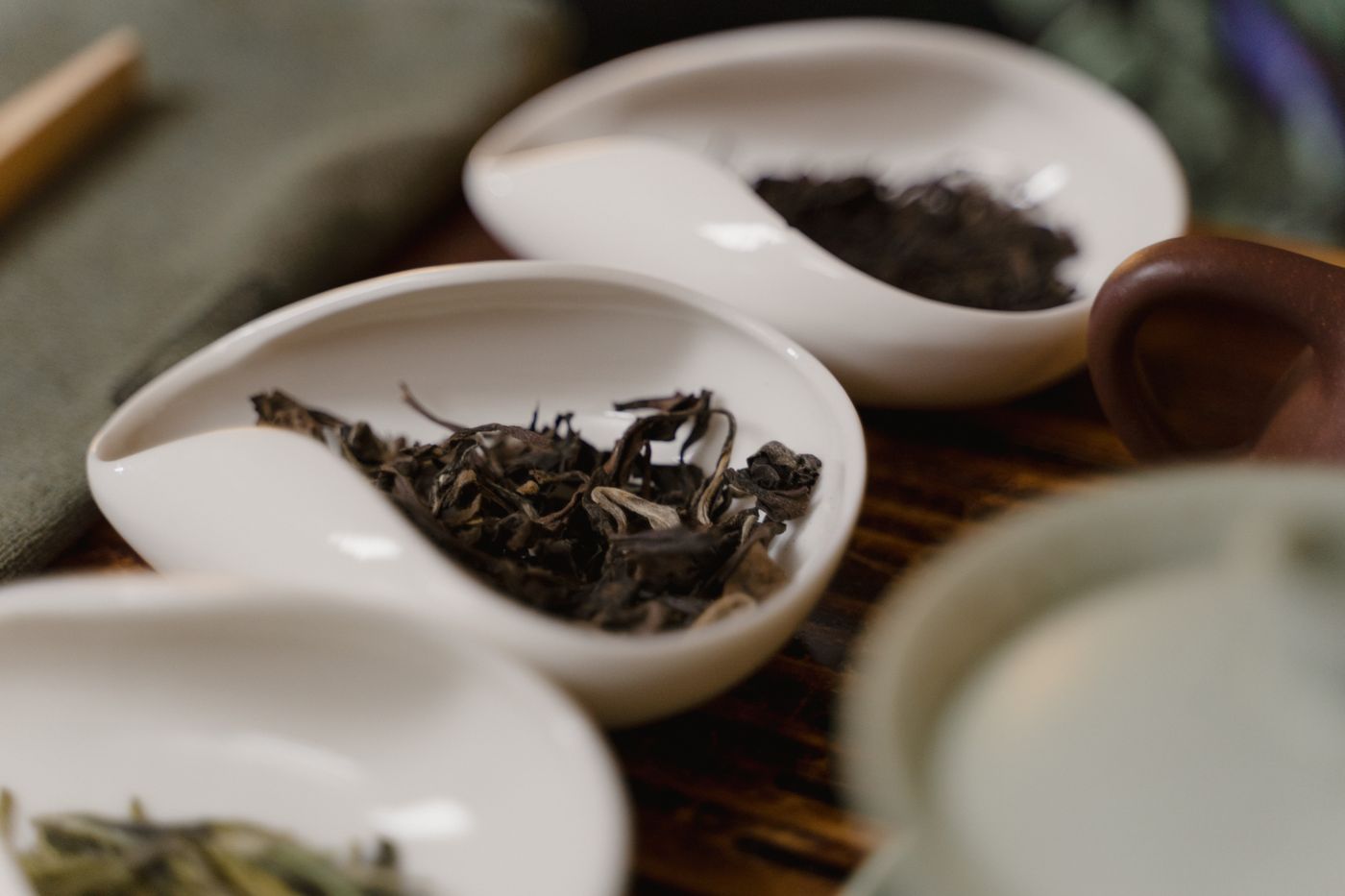
Shading changes leaf chemistry and the sensory emphasis, but producer, harvest, and grade still matter.
Gyokuro is often brewed cooler and more concentrated than everyday sencha, so identical brewing can create a misleading comparison.
Sencha offers a wide daily-drinking range; gyokuro often costs more and rewards smaller, deliberate sessions.
| Question | First option | Second option | Takeaway |
|---|---|---|---|
| Cup emphasis | Fresh, grassy, sweet, brisk | Dense umami, sweetness, marine or vegetal depth | Producer and brew method still change the result. |
| Typical use | Everyday cup and broad exploration | Focused tasting in smaller portions | Choose by occasion as well as flavor. |
World Green Tea Association. Japanese green tea and brewing context. Tea labels and brewing examples vary by producer, leaf style, water, vessel, and personal taste; use the source as a starting framework.
International Organization for Standardization. Standards context for tea terminology and classification. Tea labels and brewing examples vary by producer, leaf style, water, vessel, and personal taste; use the source as a starting framework.
Set suitable starting temperatures for each tea before comparing their sweetness, bitterness, and aroma.
Capture aroma, body, sweetness, bitterness, and finish consistently across both comparison cups.