Quick answer
Write the brew setup first, then record aroma, body, sweetness, bitterness, astringency, flavor associations, finish, and the next adjustment.
Practical guide
A useful tasting note helps you repeat or change a brew. Specific observations matter more than an impressive list of flavor words.
Write the brew setup first, then record aroma, body, sweetness, bitterness, astringency, flavor associations, finish, and the next adjustment.
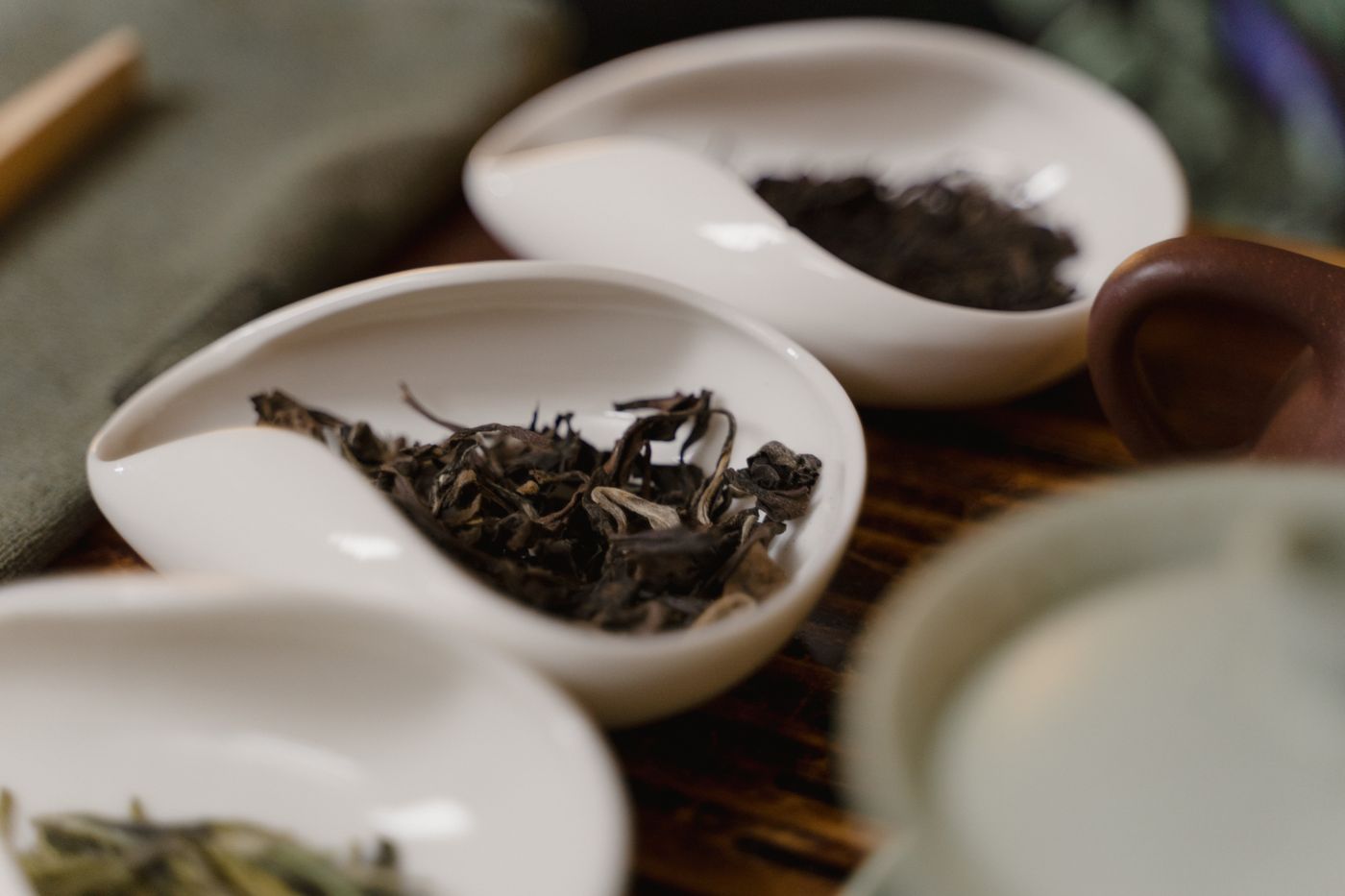
Record leaf amount, water volume, temperature, time, vessel, and infusion number before describing taste.
Body, dryness, sweetness, and intensity are sensations; orchid, cocoa, peach, or toasted grain are associations.
Write one change to try, such as shorter time, cooler water, more leaf, or no change.
Tea and Herbal Association of Canada. Tea categories and preparation context. Tea labels and brewing examples vary by producer, leaf style, water, vessel, and personal taste; use the source as a starting framework.
International Organization for Standardization. Standards context for tea terminology and classification. Tea labels and brewing examples vary by producer, leaf style, water, vessel, and personal taste; use the source as a starting framework.
Use the tasting-note format to compare categories without changing several brewing variables at once.
Record one clear variable to adjust on the next cup so the tasting process stays interpretable.