Herbal Tea Flavor Families: A Practical Comparison
Herbal tea is a shopping label for many different plants, not one flavor. Ingredient order and preparation tell you more than the word herbal alone.
Quick answer
For a soft cup, begin with floral or honeyed ingredients; for a cooling profile, look for mint; for brightness, compare citrus peel or hibiscus-led blends; for depth, try roasted roots or spice-led blends. Check every ingredient and the maker's directions before brewing.
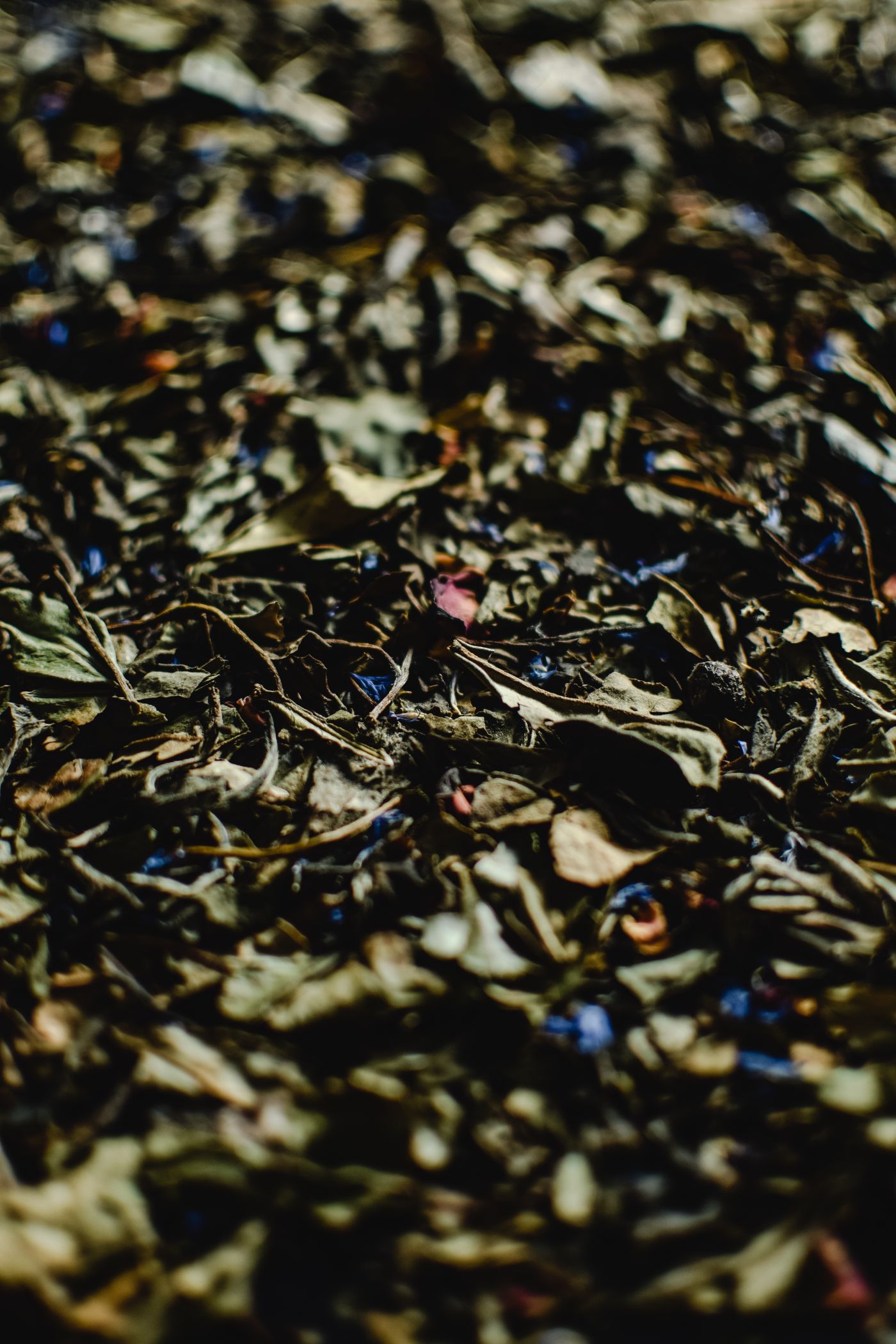
The photograph shows visibly different dried leaves and botanicals, which supports a page about comparing herbal infusion flavor families instead of implying a health result.
Read the ingredient list as a flavor map
The first ingredients usually shape the cup most. Flowers can read soft or perfumed, mint can feel cooling, hibiscus and berries can be tart, and roots or spices can add earthiness and warmth.
Separate aroma from structure
A blend can smell sweet but taste thin, or smell restrained but finish with strong tartness, spice, or dryness. Compare aroma, body, acidity, sweetness, and finish separately.
Brew the named blend, not the category
Cut size, roots, flowers, fruit pieces, and spices extract at different speeds. Follow the package first, then change one variable at a time if the cup is weak or harsh.
Keep the boundary simple
Flavor preference is not evidence of a health effect. If an ingredient conflicts with an allergy, pregnancy guidance, medication advice, or a clinician's instructions, choose another blend or ask a qualified professional.
Compare the options
Question
First option
Second option
Takeaway
Floral
Soft, perfumed, hay-like, sometimes honeyed
Chamomile or mixed flowers
Choose when aroma matters more than tartness or roast.
Minty
Cooling, green, direct
Peppermint or spearmint
A small amount may lead the whole blend.
Fruit and hibiscus
Bright, red-fruit, citrusy, tart
Hibiscus, rosehip, peel, berry pieces
Taste for acidity before adding sweetener.
Root and spice
Earthy, warming, woody, roasted
Ginger, cinnamon, chicory, roasted roots
Longer brewing can increase both depth and harshness.
Checklist
Floral and honeyed
Chamomile, linden, or flower-led blends often emphasize soft aroma; check for added licorice or flavoring that changes sweetness.
Minty and cooling
Peppermint or spearmint can dominate mixed blends, so compare their position in the ingredient list.
Bright and tart
Hibiscus, rosehip, citrus peel, and berry pieces can create acidity; shorter or cooler preparation may soften an overly sharp cup.
Earthy, spicy, or roasted
Ginger, cinnamon, chicory, rooibos, and roasted roots produce different forms of warmth and depth; do not treat them as interchangeable.
Label check
Confirm caffeine wording, allergens, added aromas, sweeteners, and the producer's steeping directions.
Working notes
Two-cup comparison
Use equal water and follow each label; note aroma, acidity, sweetness, body, finish, and which ingredient appears to lead. Example: Mint blend: cooling and light; hibiscus blend: tart and fuller; choose by the meal or mood, not a promised effect.
National Center for Complementary and Integrative Health. Ingredient-specific safety context and the limit of broad herbal claims. Tea labels and brewing examples vary by producer, leaf style, water, vessel, and personal taste; use the source as a starting framework.
Tea and Herbal Association of Canada. The distinction between Camellia sinensis tea and herbal infusions. Tea labels and brewing examples vary by producer, leaf style, water, vessel, and personal taste; use the source as a starting framework.