Quick answer
Expect oolong to range from floral and creamy to roasted and woody; expect black tea to range from brisk and malty to fruity and sweet. Compare named samples, not categories alone.
Practical guide
Oolong is a broad middle range rather than one flavor. Black tea is also diverse, but it is generally more fully oxidized.
Expect oolong to range from floral and creamy to roasted and woody; expect black tea to range from brisk and malty to fruity and sweet. Compare named samples, not categories alone.
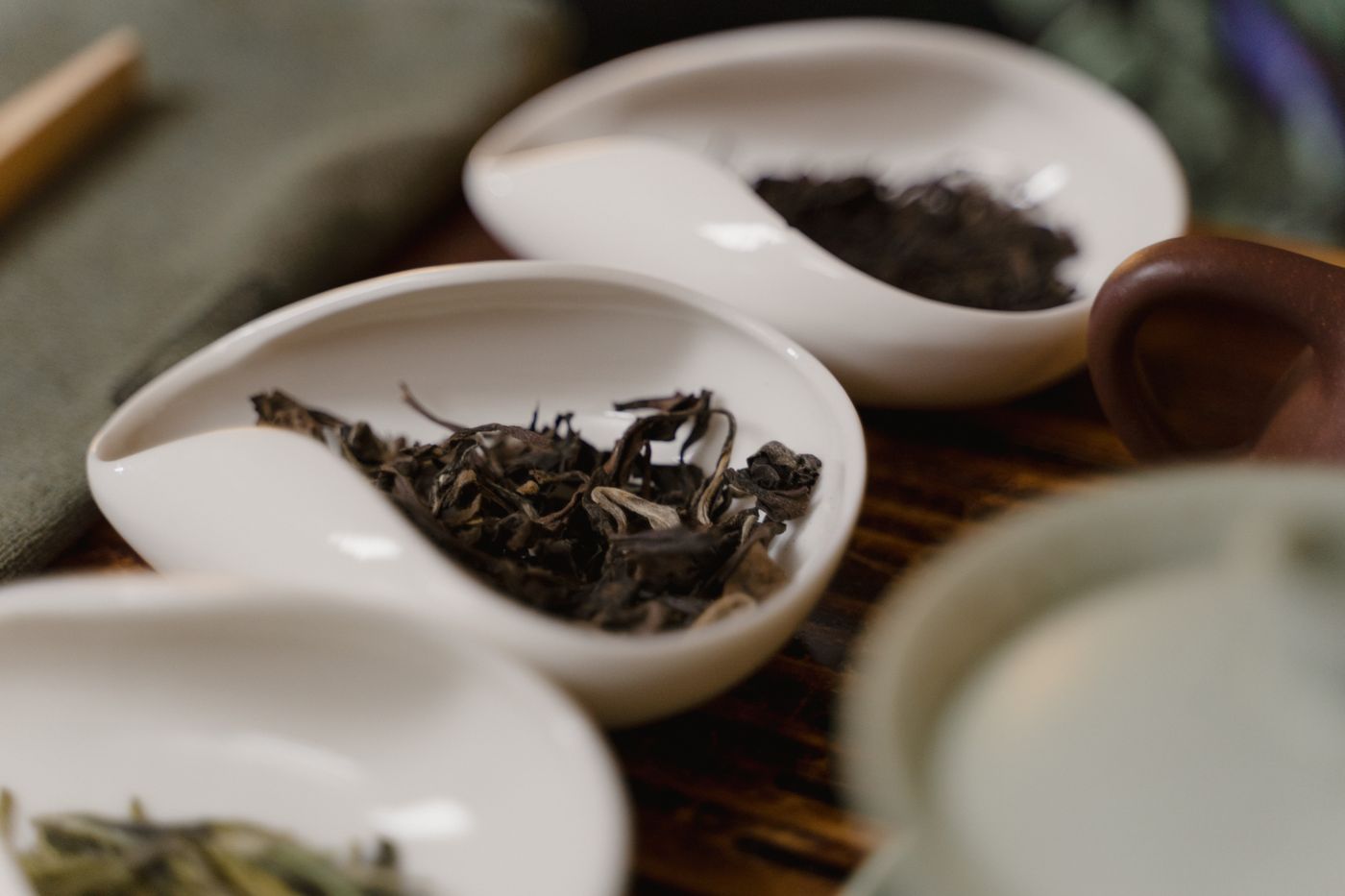
Oxidation, rolling, roasting, cultivar, and origin shape the cup. Category names explain only part of the taste.
Compare aroma, body, sweetness, bitterness, dryness, and finish in the same order.
If one tea tastes harsh, reduce temperature or time before concluding that the whole category is not a fit.
| Question | First option | Second option | Takeaway |
|---|---|---|---|
| Typical range | Floral, creamy, roasted, woody | Malty, brisk, fruity, sweet | Both categories contain wide variation. |
| Brewing response | Often changes clearly across infusions | Often gives a direct, fuller first cup | Compare more than one infusion when possible. |
Tea and Herbal Association of Canada. Tea categories and preparation context. Tea labels and brewing examples vary by producer, leaf style, water, vessel, and personal taste; use the source as a starting framework.
International Organization for Standardization. Standards context for tea terminology and classification. Tea labels and brewing examples vary by producer, leaf style, water, vessel, and personal taste; use the source as a starting framework.
Control water temperature and steeping conditions before attributing taste differences to the tea category.
Record both cups in the same repeatable tasting format so later comparisons remain useful.